▶ Watch the original YouTube video
Genshin Impact’s Sandrone Final Tea Party Scene Sparks Emotional Debate Among Players
A poignant short animation featuring Genshin Impact character Sandrone’s final tea party with her family has captivated the gaming community, revealing a compassionate side of the otherwise cold-hearted Fatui Harbinger. The scene has sparked widespread discussion about character development, emotional storytelling, and the psychological depth behind one of the game’s most complex antagonists.
What Happened
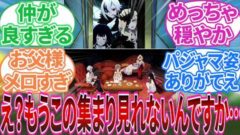
Genshin Impact released a short animation depicting Sandrone’s final moments with her family during a tea party. The scene contrasts sharply with her portrayal in the main narrative as a ruthless Fatui executive. In this intimate setting, players witness Sandrone displaying genuine warmth toward her family members, including her sister Colombina and her father Alan, revealing a tender side never shown in the game’s primary storyline.
The animation has generated substantial discussion across gaming communities, with players analyzing the scene’s emotional impact, visual storytelling techniques, and what it reveals about Sandrone’s character motivations. Reaction videos and fan discussions have dissected every detail, from the symbolic use of pajamas to the rain during Alan’s funeral scene.
Why It Matters
This scene represents a significant moment in character storytelling within Genshin Impact. It demonstrates how game developers can use contrast and intimate family moments to humanize characters previously perceived as villains. The animation raises important questions about trauma, loss, and how personal tragedy shapes individual behavior and moral choices.
For players invested in Genshin Impact’s narrative, the scene provides crucial context for understanding Sandrone’s cold demeanor in the main story. It illustrates that her ruthlessness may stem from psychological defense mechanisms developed after experiencing profound loss, rather than inherent evil. This complexity elevates the game’s storytelling and encourages players to reconsider their judgments of Fatui characters.
Background
Sandrone is one of the Fatui Harbingers in Genshin Impact, serving as a cold and calculating executive responsible for numerous executions during the Inazuma storyline. Her character has been defined by emotional detachment and unwavering loyalty to Fatui objectives. However, character story materials hint at a deeper background involving family relationships and personal tragedy.
The short animation “The Final Legacy” provides the first substantial visual depiction of Sandrone’s family life and her emotional capacity for love and care. This revelation fundamentally recontextualizes her actions throughout the game’s narrative, suggesting that her emotional suppression is a coping mechanism rather than her true nature.
Key Points
- Sandrone displays a gentle and caring demeanor with her family, contrasting sharply with her cold persona as a Fatui executive
- The relationship between Sandrone and her sister Colombina is portrayed with warmth and sisterly affection, revealing Sandrone’s capacity for tenderness
- Alan’s presence and the family’s interaction suggest that Sandrone’s emotional coldness developed after his death
- Visual storytelling elements—such as pajamas, household slippers, and rain during the funeral—symbolize intimacy and emotional vulnerability
- The scene implies that Sandrone’s ruthlessness serves as a psychological defense mechanism developed over centuries of loss
- Player reactions highlight appreciation for nuanced character development and the use of contrast to reveal character depth
Timeline
- Early 2024: Release of “The Final Legacy” short animation featuring Sandrone’s tea party scene
- Following release: Widespread player discussion and analysis across gaming communities and reaction video platforms
- Ongoing: Continued debate about Sandrone’s character arc and implications for future Fatui storylines
Perspectives
Emotional Impact Perspective: Many players responded with overwhelming emotion to the scene, praising the portrayal of family bonds and the contrast between Sandrone’s public and private selves. Comments frequently highlighted Colombina’s endearing behavior and the genuine affection displayed during the tea party.
Narrative Analysis Perspective: Some players focused on the storytelling technique of using contrast to develop character depth. This approach—showing characters in intimate, non-combat scenarios—has proven effective in other acclaimed anime and games, allowing audiences to connect with antagonists on a human level.
Psychological Interpretation Perspective: Players and analysts noted that the scene illustrates trauma-induced personality change. Sandrone’s emotional suppression appears to be a survival mechanism developed after experiencing profound loss, particularly Alan’s death. This interpretation reframes her ruthlessness as a consequence of grief rather than malice.
Critical Perspective: Some players expressed mixed feelings, noting that the contrast between the tea party scene and the main narrative made Sandrone’s cruelty in the primary story more painful to witness. This emotional complexity reflects the bittersweet nature of understanding a character’s tragic backstory.
Insights
The Sandrone tea party scene demonstrates the power of character complexity in modern game storytelling. By revealing that an antagonist’s ruthlessness stems from emotional trauma rather than inherent evil, the narrative invites players to reconsider moral judgments and engage more deeply with character psychology.
The animation’s success lies in its use of visual and narrative contrast. The juxtaposition of Sandrone’s cold executive persona with her warm family self creates emotional resonance that simple exposition could never achieve. Details like pajamas and household settings ground the scene in relatable human experience, making the character’s emotional capacity undeniable.
The widespread player discussion reveals that modern gaming audiences crave nuanced character development and are capable of appreciating moral complexity. Rather than accepting simple good-versus-evil narratives, players engage in sophisticated analysis of motivation, trauma, and psychological defense mechanisms.
Furthermore, the scene raises questions about the nature of immortality and loss. Sandrone’s centuries of existence mean she has experienced repeated cycles of attachment and loss. Her emotional suppression may represent not cruelty but a rational adaptation to the unbearable pain of outliving those she loves. This existential dimension adds philosophical depth to her character arc.
The Fatui as a faction gains complexity through this portrayal. Rather than presenting them as one-dimensional villains, Genshin Impact demonstrates that even antagonistic characters possess internal contradictions, personal histories, and emotional capacities. This approach enriches the game’s narrative universe and encourages players to view the conflict between the Traveler and Fatui with greater nuance.