▶ Watch the original YouTube video
Bandai Namco’s Dragon Ball Sparking Zero has introduced Ultra Gogeta (Z), a fusion character that has ignited complex reactions from the gaming community. Drawing on 15 years of Dragon Ball game experience, this analysis explores why this character implementation raises both excitement and concerns about game balance and character authenticity.
What Happened
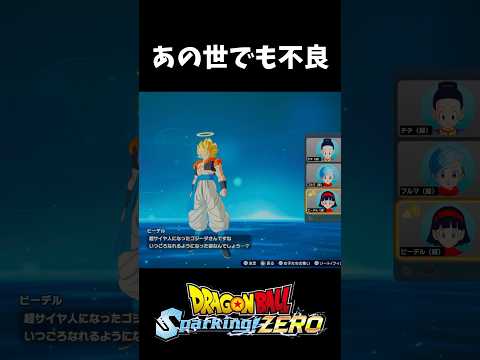
The latest installment of the Sparking series, Dragon Ball Sparking Zero, has added Ultra Gogeta (Z) as a playable character. This fusion form represents Gogeta’s most powerful state within the game, featuring overwhelming in-game performance that positions it as the strongest available character. The implementation has generated substantial discussion across gaming communities, with reactions ranging from enthusiastic approval to concerns about competitive balance.
Why It Matters
The introduction of Ultra Gogeta (Z) raises fundamental questions about how game developers balance character authenticity with competitive gameplay. This decision reflects broader industry trends toward maximizing character individuality while maintaining playable diversity. For Dragon Ball fans, the character’s inclusion also highlights the complex relationship between anime, manga, film, and game canons—Gogeta appears in Dragon Ball films but not in the original manga, creating ambiguity about its canonical status. Understanding this implementation provides insight into modern fighting game design philosophy and how developers navigate fan expectations.
Background
The Sparking series has evolved significantly since its inception. Early Dragon Ball games, such as the 2006 PS2 title Dragon Ball Z2, treated fusion characters as secondary additions with modest power levels. By 2015’s Dragon Ball Xenoverse 2, fusion characters received substantial power increases, signaling a shift in design philosophy. Dragon Ball FighterZ (2019) introduced a different approach, implementing time-limited fusion mechanics to reflect the temporary nature of fusion in the source material.
Gogeta specifically occupies a unique position in Dragon Ball canon. Unlike Vegito, who appears in the original manga, Gogeta exists exclusively in anime films—Dragon Ball Z: Battle of Gods and Dragon Ball Z: Resurrection ‘F’. This distinction has become central to debates surrounding Ultra Gogeta (Z)’s implementation in Sparking Zero, as it raises questions about which source materials should inform game design decisions.
Key Points
- Ultra Gogeta (Z) Implementation: A newly added fusion character in Sparking Zero with exceptional in-game performance, positioned as the game’s strongest available option.
- Diverse Player Reactions: Community responses reflect mixed sentiments, combining anticipation with concerns about game balance and character authenticity.
- Game Balance vs. Character Authenticity: The core tension involves representing the strongest Dragon Ball characters with maximum power while maintaining competitive viability for other roster members.
- Series Evolution: Sparking Zero continues the Sparking series’ philosophy of maximizing character individuality, contrasting with FighterZ’s mechanical constraints on fusion characters.
- Canon Ambiguity: Gogeta’s absence from the original manga but presence in anime films creates uncertainty about its proper representation in game adaptations.
- Industry Trend Alignment: The implementation reflects 2020s gaming industry emphasis on character-driven design and individual expression over strict competitive balance.
Timeline
- 2006: Dragon Ball Z2 releases on PS2, treating fusion characters as supplementary content with moderate power levels.
- 2008–2015: Dragon Ball Xenoverse series gradually increases fusion character performance, particularly Super Vegito in the 2015 sequel.
- 2009: Gogeta first appears in anime films, establishing its non-manga canonical status.
- 2019: Dragon Ball FighterZ implements time-limited fusion mechanics, introducing mechanical constraints reflecting fusion’s temporary nature.
- 2024: Dragon Ball Sparking Zero introduces Ultra Gogeta (Z) with unrestricted access and overwhelming power, representing the culmination of fusion character design evolution.
Perspectives
Fan Enthusiasm: Many players celebrate Ultra Gogeta (Z)’s inclusion as fulfillment of long-standing requests for Gogeta’s Super form. Social media platforms show genuine excitement about seeing this character realized with maximum power, reflecting deep attachment to Gogeta as a character.
Competitive Concerns: Opposing perspectives emphasize that Ultra Gogeta (Z)’s overwhelming strength undermines game balance. When one character significantly outperforms alternatives, player incentive to explore the broader roster diminishes, potentially reducing long-term engagement and competitive diversity.
Design Philosophy Debate: The implementation reflects a fundamental disagreement about game design priorities. Some argue that accurately representing source material power levels justifies mechanical dominance. Others contend that game balance should supersede character authenticity, citing FighterZ‘s approach as a superior model.
Canon Consideration: The character’s non-manga origins create additional complexity. Some players question why a film-exclusive character receives such prominent treatment, while others view anime content as equally valid source material deserving full representation.
Insights
Ultra Gogeta (Z)’s implementation represents a critical juncture in Dragon Ball game design. The Sparking series has committed to maximizing character individuality—a philosophy that prioritizes fan satisfaction and source material accuracy over competitive equilibrium. This approach differs markedly from FighterZ‘s mechanical constraints, which balanced character power through gameplay mechanics rather than raw statistics.
The complex player reactions reflect deeper tensions within gaming culture. Dragon Ball exists across multiple media—manga, anime, films, and games—each with distinct canonical hierarchies. When developers must choose which source materials to prioritize, they inevitably disappoint segments of the fanbase. Ultra Gogeta (Z)’s implementation favors anime and film content, potentially alienating players who prioritize manga canon.
Future success of Sparkling Zero likely depends on how developers address these tensions. Potential solutions include balance adjustments through updates, introduction of additional high-tier characters to reduce Ultra Gogeta (Z)’s relative dominance, or mechanical refinements that preserve character strength while maintaining competitive viability. The game’s evolution will provide valuable lessons for how modern fighting games navigate the intersection of fan service, character authenticity, and competitive integrity.
For players approaching Sparking Zero, the recommendation is to explore the full roster rather than defaulting to Ultra Gogeta (Z). Understanding Gogeta’s history through source films and comparing its implementation with other fusion characters like Vegito and Gotenks provides deeper appreciation for the design choices involved. This approach transforms a potentially frustrating balance issue into an opportunity to understand how developers interpret and adapt beloved characters across different media.