▶ Watch the original YouTube video
Why a 60-Year-Old Character’s Stoic Stance Captivated the Internet: A Deep Analysis
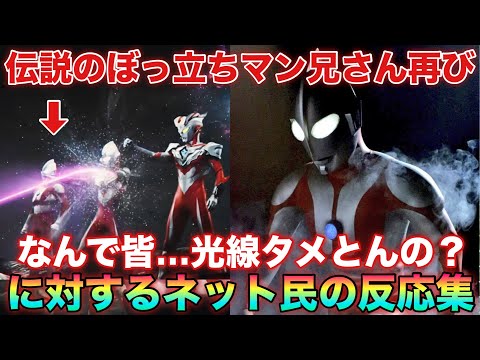
A beloved character celebrating its 60th anniversary made a surprising appearance in a new work, standing in a distinctive pose while waiting for others to complete their actions. The character’s simple, direct dialogue questioning why others were using complex techniques sparked widespread internet discussion, revealing how long-running franchises can maintain their core appeal across generations.
What Happened
A character with a 60-year history appeared in recent media, depicted standing in a powerful, unwavering pose—described as “standing like a guardian deity while waiting for everyone else.” The character questioned the actions of other characters with the straightforward line: “Why is everyone charging up and firing beams like that?” This scene generated significant online discussion across Twitter, Reddit, YouTube, and other platforms, with viewers expressing both nostalgia and appreciation for how the character’s essential nature remained unchanged despite six decades passing.
Why It Matters
This moment represents a critical case study in how long-running media franchises navigate the challenge of introducing legacy characters to modern audiences. The character’s appearance demonstrates that maintaining a character’s core identity—rather than modernizing or reinventing it—can be the most effective approach to satisfying both longtime fans and new viewers. In an industry where many classic characters undergo significant changes to appeal to contemporary trends, this character’s unwavering simplicity became its greatest strength, raising important questions about what audiences truly value in beloved characters.
Background
Long-running anime and game franchises frequently face a creative dilemma when reintroducing legacy characters: should they adapt the character to modern sensibilities, or preserve the original essence? Industry observers have noted that this particular character succeeded where others have failed. Unlike some comparable cases where characters were modernized to the point of feeling unrecognizable, this 60-year-old character maintained its distinctive straightforward manner of speaking and its confident demeanor. The character’s pose—standing firmly while observing others—carried symbolic weight, suggesting both strength and a protective, watchful stance that implied character growth while preserving core identity.
Key Points
- Character Consistency: The 60-year-old character retained its fundamental personality traits, including its direct, uncomplicated way of speaking and confident bearing.
- Visual Storytelling: The “stoic stance” pose conveyed multiple meanings simultaneously—strength, stability, and a willingness to support others—without requiring explicit dialogue.
- Generational Appeal: The appearance resonated with both longtime fans seeking nostalgia and newer audiences unfamiliar with the character’s original incarnation.
- Dialogue as Character: The character’s simple, questioning line about why others used complex techniques reinforced its essential nature as someone who values straightforwardness.
- Industry Contrast: Unlike other long-running characters that underwent significant modernization and faced fan criticism, this character’s preservation of its original essence proved more successful.
- Symbolic Growth: While the character’s core personality remained unchanged, its demonstrated patience and protective attitude toward others suggested meaningful character development beneath the surface.
Timeline
- 60 Years Ago: Character’s original debut and establishment of core personality traits.
- Recent Release: Character appears in new media celebrating the 60th anniversary milestone.
- Immediate Aftermath: Scene generates widespread social media discussion and fan analysis across multiple platforms.
Perspectives
Online reactions revealed multiple interpretations of the scene. Nostalgic viewers expressed emotional responses, with many reporting they felt compelled to revisit the character’s original works. Analytical observers on forums like 5channel engaged in detailed discussions about the symbolic meaning of the pose and the production choices behind the character’s dialogue. YouTube commenters frequently noted that the scene prompted them to reconsider the character’s entire history. Some viewers questioned whether such simplicity might feel outdated compared to modern animation standards, yet even these critiques ultimately reinforced the understanding that the character’s straightforwardness was intentional and central to its appeal. The overwhelming consensus across platforms was that the character’s consistency across six decades represented a form of reliability and trustworthiness that audiences deeply valued.
Insights
This case demonstrates that in an era of constant reinvention and trend-chasing, audiences may value consistency and authenticity more than modernization. The character’s success suggests that the entertainment industry’s assumption that legacy characters must be updated to remain relevant may be fundamentally flawed. Instead, the evidence indicates that preserving a character’s essential identity while allowing it to exist in contemporary contexts can create powerful emotional resonance. The character’s pose and dialogue worked together to communicate that while the world around it had become more complex, the character itself remained a stable, reliable presence—a quality that proved deeply meaningful to viewers across generations. The 60-year journey appears to have added depth and gravitas to the character without compromising its original appeal, suggesting that time itself can enhance rather than diminish a well-crafted character’s value. This approach offers a template for how other long-running franchises might successfully reintroduce legacy characters: not by changing them to fit the times, but by allowing their unchanging nature to comment meaningfully on how much the world has changed.