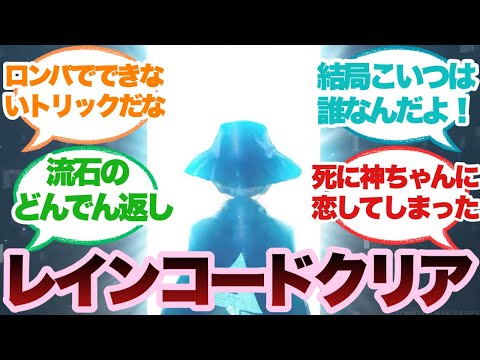
▶ Watch the original YouTube video
Rain Code Story Completion Sparks Passionate Fan Reactions: A Deep Dive Into the Mystery Adventure Game’s Impact
Spike Chunsoft’s Rain Code has generated overwhelming positive responses from players upon story completion, with fans praising its intricate plot structure, character psychology, and flawless narrative resolution. The game represents a significant evolution in the mystery adventure genre, combining complex puzzle-solving with deep emotional storytelling in ways that have captivated the gaming community.
What Happened
Since its July 2023 release, Rain Code has garnered significant attention from players and critics alike, with story completion generating particularly enthusiastic responses across social media platforms, YouTube, and gaming forums. Players have expressed profound emotional reactions to the game’s ending, praising the resolution of its complex narrative threads and the psychological depth of its character development. The overwhelmingly positive reception demonstrates that the game has successfully delivered on its promise as a sophisticated mystery adventure title.
Why It Matters
Rain Code’s reception marks an important moment in the evolution of the mystery adventure game genre. The game demonstrates that modern players value not only intricate puzzle-solving and plot twists but also meaningful character psychology and narrative coherence. The passionate fan responses indicate that Rain Code has achieved a rare balance: delivering unexpected story developments while maintaining logical consistency and emotional authenticity. This success has implications for how future mystery adventure games will be designed and what audiences now expect from the genre.
Background
Rain Code is a mystery adventure game developed by Spike Chunsoft, the studio behind acclaimed series including Danganronpa and AI: The Somnium Files. The game follows protagonist Yamada Tarou as he investigates a series of mysterious cases in a rain-shrouded city. The narrative is constructed with multiple interwoven plot threads and character backstories that converge in the final chapters. The game’s world-building centers on the metaphor of rain, which serves as a unifying thematic element throughout the story.
Spike Chunsoft has a proven track record in crafting complex narrative structures. The studio’s previous works, particularly the Danganronpa series (2010–2017) and AI: The Somnium Files (2019, 2022), established the studio’s expertise in combining intricate mystery plots with compelling character development. Rain Code builds upon this foundation while introducing new narrative techniques and thematic depth.
Key Points
- Flawless Plot Resolution: Fans consistently praise the game’s ending for delivering unexpected narrative developments while maintaining complete logical coherence. Complex plot threads established throughout the game are resolved in ways that feel both surprising and inevitable.
- Character Psychology as Central Theme: Unlike traditional mystery games that prioritize puzzle-solving, Rain Code emphasizes character motivations and psychological development. Players express deep emotional engagement with protagonist Yamada Tarou and heroine Yuki’s character arcs.
- Exceptional Foreshadowing Execution: The game’s foreshadowing is meticulously constructed, with subtle clues embedded in dialogue and environmental details. Players report discovering new meaning in earlier scenes after completing the story.
- Meta-Narrative Elements: Rain Code incorporates self-referential commentary on the mystery adventure game genre itself, prompting players to reconsider what defines the genre and how stories can challenge audience expectations.
- High Replay Value: Fan responses frequently mention desire to replay the game, indicating that knowledge of the ending enhances rather than diminishes the experience by revealing previously hidden layers of meaning.
- Genre-Defining Achievement: Players compare Rain Code favorably to landmark titles in the mystery adventure genre, with many considering it to represent the current pinnacle of the genre’s evolution.
Fan Reception Analysis
Fan reactions to Rain Code’s story completion reveal several consistent themes across multiple platforms:
Positive Reception Characteristics: The majority of fan comments express admiration for the game’s narrative construction. Common praise includes descriptions of the ending as “unexpected yet satisfying,” “perfectly executed foreshadowing,” and “emotionally moving.” Players frequently mention experiencing genuine surprise at plot revelations while simultaneously recognizing the logical inevitability of those revelations in retrospect.
Emotional Engagement: Beyond intellectual appreciation of the puzzle-solving, fans emphasize emotional connection to characters. Comments frequently reference tears shed during key story moments and deep empathy for character decisions and psychological struggles. This emotional dimension distinguishes Rain Code from purely cerebral mystery games.
Critical Appreciation: Rather than simple “this was fun” reactions, fan comments demonstrate sophisticated analytical engagement. Players discuss narrative structure, character motivation consistency, and thematic coherence, indicating that the game appeals to audiences seeking intellectually challenging storytelling.
Comparative Evaluation: Fans frequently compare Rain Code to other mystery adventure titles, particularly Danganronpa and Ace Attorney series. These comparisons consistently position Rain Code as achieving superior integration of complex puzzle-solving with character development, suggesting the game represents an evolutionary step forward for the genre.
Comparative Analysis: Rain Code and the Mystery Adventure Genre
| Title | Puzzle Difficulty | Character Development | World-Building Complexity | Ending Satisfaction |
|---|---|---|---|---|
| Ace Attorney Series | Moderate | High | Moderate | High |
| Danganronpa Series | High | Very High | Very High | Mixed Reception |
| AI: The Somnium Files | Moderate | Very High | High | High |
| Rain Code | Very High | Very High | Very High | Very High |
This comparison reveals Rain Code’s distinctive achievement: it maintains very high standards across all dimensions of game design simultaneously. While previous mystery adventure games often excelled in specific areas—Danganronpa in world-building complexity, AI: The Somnium Files in character psychology—Rain Code achieves excellence across all categories without compromise.
Narrative Structure and Innovation
Foreshadowing Clarity: Rain Code distinguishes itself through exceptionally clear foreshadowing. Each episode establishes plot threads that are explicitly explained in the final chapters, eliminating ambiguity about narrative intent. This clarity prevents the interpretive disagreements that have sometimes divided fan communities regarding other mystery games.
Character Motivation Consistency: Every character’s actions are thoroughly explained through their psychological backgrounds and emotional development. This consistency ensures that plot revelations feel earned rather than arbitrary, contributing to the sense of narrative satisfaction fans report.
Thematic Coherence: The rain motif functions as more than atmospheric decoration; it serves as a unifying thematic element that connects individual mysteries to larger questions about the game’s world. This integration of theme and plot creates additional layers of meaning that reward careful attention.
Genre Evolution and Industry Implications
Rain Code’s success reflects broader trends in the mystery adventure game genre. Over the past decade, the genre has evolved in distinct phases: the 2010s emphasized puzzle complexity, the mid-to-late 2010s prioritized character psychology, and the 2020s demand simultaneous excellence in both dimensions. Rain Code represents the culmination of this evolution, demonstrating that contemporary audiences expect mystery games to deliver both intellectual challenge and emotional depth.
The game also incorporates meta-narrative elements that question the nature of mystery games themselves, a technique previously employed by Danganronpa V3. However, Rain Code’s approach differs significantly: while Danganronpa V3’s meta-commentary created interpretive ambiguity among fans, Rain Code provides clear answers to its meta-questions, suggesting a more refined approach to self-referential storytelling.
Perspectives
Player Experience: From the player perspective, Rain Code delivers the satisfaction of intellectual puzzle-solving combined with emotional investment in character outcomes. The game respects player intelligence by providing sufficient clues for attentive players to anticipate major revelations while still delivering genuine surprises.
Critical Evaluation: Critics recognize Rain Code as a landmark achievement in mystery game design, particularly in its demonstration that narrative complexity need not compromise emotional authenticity. The game proves that sophisticated storytelling can achieve both critical acclaim and popular appeal.
Industry Perspective: For game developers, Rain Code establishes new standards for mystery adventure game construction. The game demonstrates that contemporary audiences reward meticulous narrative planning and thematic coherence, validating investment in complex story architecture.
Constructive Criticism: Some players note that the game’s complexity may present accessibility challenges for audiences unfamiliar with the mystery adventure genre. However, even these critical comments acknowledge that the difficulty contributes to the game’s artistic value rather than detracting from it.
Insights
Rain Code’s reception demonstrates that the mystery adventure game genre has reached a new level of sophistication and maturity. The game’s success is not attributable to any single element but rather to the exceptional integration of multiple demanding design challenges: complex puzzle construction, intricate character psychology, elaborate world-building, and thematic coherence.
The passionate fan responses indicate that players increasingly value games that respect their intelligence and emotional investment simultaneously. Rain Code succeeds because it treats players as capable of appreciating both intellectual complexity and emotional authenticity without requiring compromise between these elements.
The game’s emphasis on character psychology over pure puzzle-solving represents a significant genre shift. While earlier mystery games often prioritized “who is the culprit,” Rain Code prioritizes “why did this character make this choice.” This psychological focus creates deeper engagement and more meaningful replay experiences, as players discover new understanding of character motivations upon subsequent playthroughs.
Rain Code also demonstrates the value of narrative closure in an era when many games leave stories deliberately open-ended. The game provides definitive answers to its central mysteries while maintaining thematic depth, suggesting that complete narrative resolution need not limit artistic merit or replay value.
Looking forward, Rain Code’s success will likely influence how future mystery adventure games approach narrative design. The game establishes that contemporary audiences expect mystery games to deliver sophisticated storytelling comparable to acclaimed novels and films, with the added dimension of interactive puzzle-solving. This represents a significant elevation of genre expectations and demonstrates the artistic potential of interactive mystery narratives.