▶ Watch the original YouTube video
Why Monokuma’s Cosplay Act Is the Danganronpa Series’ Greatest Narrative Device: A Deep Analysis
Danganronpa V3’s most controversial character uses cosplay and impersonation as a meta-narrative tool that simultaneously deconstructs and celebrates the entire series. Through voice acting, dialogue quotation, and physical performance, this character challenges players’ understanding of fiction, character development, and emotional investment in storytelling itself.
- What Happened
- Why It Matters
- Background
- Key Points
- Narrative Structure and Thematic Layers
- Voice Acting as Characterization
- Comparison with Other Meta-Narrative Works
- The Question of Fictional Existence
- Creator Intent and Narrative Honesty
- Player Reception and Online Response
- Implications for Game Narrative Design
- Understanding the Series Through V3
- Recommendations for New Players
- Conclusion: A Performance That Questions Everything
What Happened
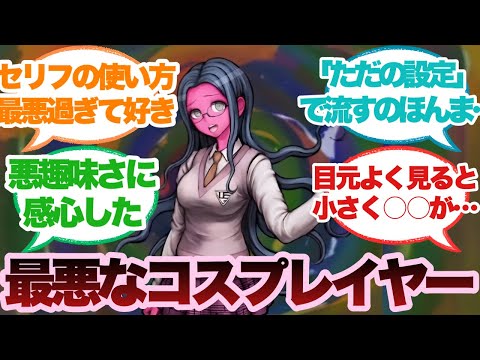
In Danganronpa V3: Killing Harmony, a character employs an elaborate cosplay performance that references previous game entries in the series. Rather than serving as simple comic relief, this act functions as a sophisticated meta-theatrical commentary on the nature of the Danganronpa franchise itself. The character impersonates past protagonists and supporting characters, quoting their dialogue in deliberately distorted contexts while demonstrating masterful voice acting and physical transformation.
The performance is particularly striking because the character can impersonate previous game characters but notably cannot cosplay as V3’s own cast members. This contradiction becomes central to understanding the narrative’s deeper meaning about the nature of fiction and player agency within the game world.
Why It Matters
This narrative device represents a turning point in how video games approach meta-commentary. Rather than breaking the fourth wall through dialogue alone, the character embodies the contradiction between fiction and reality through physical action. The performance forces players to confront uncomfortable questions about their emotional investment in fictional narratives and whether their engagement with the story represents genuine emotional response or manufactured manipulation by creators.
For the Danganronpa franchise specifically, this act serves as both a love letter and a deconstruction of the series’ core themes of hope and despair. It acknowledges the series’ narrative traditions while simultaneously questioning their validity, creating a paradoxical statement that celebrates what it simultaneously critiques.
Background
Danganronpa V3 released in January 2017 as the third mainline entry in the visual novel mystery game series. The franchise had established itself through two previous games and an anime adaptation, building a dedicated fanbase invested in the recurring themes of hope versus despair and the moral implications of survival games.
The series is known for its theatrical presentation, distinctive character designs, and willingness to subvert player expectations. V3 continues this tradition but takes it further by incorporating explicit meta-narrative elements that question the nature of the game world itself and the player’s role within it.
Key Points
- The cosplay performance quotes previous game characters’ dialogue in deliberately distorted contexts, negating their original meaning while simultaneously honoring the source material
- Sophisticated voice acting demonstrates the character’s complete understanding of each impersonated character’s essence and psychological profile
- The inability to cosplay V3’s own cast members suggests a fundamental distinction between “fiction” and “non-fiction” within the game’s internal logic
- The performance functions as a three-layered meta-commentary: surface-level impersonation, conceptual deconstruction of narrative themes, and existential questioning of fictional existence itself
- The act transforms the character from a simple antagonist into a philosophical tool that forces players to reconsider their entire engagement with the series
- Visual and auditory elements, including background props and vocal modulation, reinforce the performance’s thematic complexity
Narrative Structure and Thematic Layers
The cosplay performance operates on multiple interpretive levels simultaneously. At the surface level, it functions as comedic impersonation. At a deeper level, it represents the character’s complete mastery over narrative conventions and character archetypes. At the deepest level, it questions whether the distinction between “character” and “player” remains meaningful in a self-aware fictional space.
The character’s inability to impersonate V3’s cast members becomes particularly significant when examined against their ability to impersonate deceased characters from previous games. This suggests that the character perceives V3’s participants as existing in a different ontological category—as “real” within the game’s internal logic, rather than as fictional constructs to be manipulated.
Voice Acting as Characterization
The performance demonstrates remarkable vocal versatility, with distinct voice modulation for each impersonated character. These vocal shifts are not merely technical exercises but serve to illuminate each character’s psychological essence. The performer demonstrates intimate knowledge of how each character’s voice reflects their personality, motivations, and psychological state.
This vocal mastery suggests that the character possesses a form of consciousness or awareness that transcends typical character limitations. The ability to perfectly replicate not just dialogue but the emotional and psychological undertones of each voice implies a level of meta-awareness that distinguishes this character from standard game protagonists.
Comparison with Other Meta-Narrative Works
When examined alongside other works employing meta-narrative techniques, the cosplay performance’s sophistication becomes apparent. While works like Re:Zero employ loop structures and Puella Magi Madoka Magica subverts genre expectations, neither achieves the complete fusion of meta-commentary with character action that this performance demonstrates.
The Legend of Zelda: Breath of the Wild relativizes game settings through player freedom, but its characters remain unaware of their fictional status. In contrast, this character demonstrates complete self-awareness regarding their fictional nature while simultaneously existing within the narrative framework. This paradox—being both aware of and trapped within fiction—creates a unique philosophical position unavailable to characters in other works.
The Question of Fictional Existence
A central implication of the performance concerns the nature of existence within fictional frameworks. If the character can impersonate past game characters but not V3’s participants, what does this distinction reveal about the game world’s internal logic?
One interpretation suggests that V3’s cast members exist in a different ontological category for the impersonating character—they are “non-fiction” within the game’s internal reality, while previous game characters are “fiction.” This inversion of typical narrative hierarchies creates a paradoxical space where the game questions its own status as fiction while simultaneously asserting its reality.
The performance thus becomes a meditation on the nature of player investment. Players have invested emotional energy in previous game characters, treating them as meaningful despite their fictional status. The performance forces players to confront whether their emotional investment in V3’s characters—which the game suggests are “real” within its logic—represents genuine emotional response or simply a more sophisticated form of the same manufactured engagement they experienced with previous games.
Creator Intent and Narrative Honesty
The performance appears designed by creator Kazutaka Kodaka to accomplish a specific goal: making players uncomfortable with their own emotional investment in the narrative. By using beloved previous characters in deliberately distorted contexts, the performance simultaneously celebrates and desecrates the source material.
This approach represents a form of narrative honesty. Rather than pretending that the game exists in a purely fictional space separate from player consciousness, V3 acknowledges the constructed nature of all narrative engagement. The performance suggests that all emotional responses to fiction—including the player’s responses to V3 itself—result from deliberate creative choices designed to manipulate audience psychology.
Player Reception and Online Response
Online reactions to the performance reveal its effectiveness in generating the intended emotional response. Social media posts frequently express contradictory feelings: simultaneously hating and loving the performance, finding it both offensive and brilliant.
This contradictory response appears intentional. By creating a performance that simultaneously celebrates and desecrates beloved characters, the game forces players into an uncomfortable emotional position. Players cannot simply dismiss the performance as bad or enjoy it as good; instead, they must hold both responses simultaneously, mirroring the performance’s own internal contradiction.
Comments on video platforms demonstrate that players recognize the performance’s meta-narrative function. Some viewers note the vocal performance’s technical excellence, while others engage in deeper analysis of how the performance comments on character archetypes and narrative conventions. This range of responses suggests that the performance succeeds in operating on multiple interpretive levels simultaneously.
Implications for Game Narrative Design
The performance demonstrates how video games can employ meta-narrative techniques more effectively than traditional media. Unlike film or literature, games create direct player agency and investment. By incorporating meta-commentary that directly addresses this player investment, V3 creates a uniquely uncomfortable form of narrative self-awareness.
The performance suggests that future narrative-driven games might employ similar techniques: using character actions and performances to comment on the nature of player engagement rather than relying solely on dialogue-based fourth-wall breaking. This approach creates a more immersive form of meta-commentary because it operates within the game’s internal logic rather than stepping outside it.
Understanding the Series Through V3
For players who experienced previous Danganronpa games, V3 forces a retrospective reinterpretation of those experiences. Moments that seemed emotionally genuine—character development, moral choices, dramatic revelations—become suspect when viewed through V3’s meta-narrative lens.
This reinterpretation is not necessarily negative. Instead, it suggests that the series’ value lies not in whether its narratives are “real” but in the quality of the emotional and intellectual experiences they create. The performance acknowledges that all narrative engagement involves a form of willing suspension of disbelief and emotional manipulation, but suggests that this recognition need not diminish the value of that engagement.
Recommendations for New Players
For players approaching Danganronpa V3 for the first time, several strategies can enhance engagement with the performance:
- Familiarize yourself with previous Danganronpa games before playing V3. The performance’s effectiveness depends on recognizing the quoted dialogue and understanding the characters being impersonated.
- Pay attention to the specific contexts in which previous characters’ dialogue is quoted. The deliberate distortion of meaning reveals the performance’s meta-narrative function.
- Listen carefully to vocal modulation during the performance. Each voice change reflects the impersonated character’s psychological essence.
- Notice what the performance cannot do—specifically, its inability to impersonate V3’s own cast members. This limitation contains crucial information about the game’s internal logic.
- Embrace the discomfort the performance creates. The intended emotional response involves holding contradictory feelings simultaneously.
Conclusion: A Performance That Questions Everything
The cosplay performance in Danganronpa V3 represents a sophisticated narrative achievement that transcends simple character action or comedic relief. By combining physical performance, vocal mastery, and meta-textual commentary, the performance forces players to confront fundamental questions about the nature of fiction, character, and emotional investment.
The performance simultaneously celebrates and deconstructs the Danganronpa series, honoring what came before while questioning its validity. This paradoxical stance—affirming while negating, loving while critiquing—creates a unique philosophical position that distinguishes V3 from other narrative-driven games.
Ultimately, the performance suggests that the value of narrative engagement lies not in whether the story is “real” but in the quality of the experience it creates. By making players aware of the constructed nature of that experience, V3 paradoxically deepens rather than diminishes the emotional impact of its narrative. The performance becomes not an attack on player investment but an invitation to engage with narrative more consciously and authentically.