▶ Watch the original YouTube video
Uma Musume x KFC Collaboration: Character Analysis and What Makes This Crossover Special
Uma Musume’s second collaboration with KFC demonstrates a sophisticated approach to character crossovers that preserves the essence of existing characters while introducing fresh perspectives. This analysis explores why the collaboration resonates with players and what it reveals about the evolution of fan engagement in gaming.
What Happened
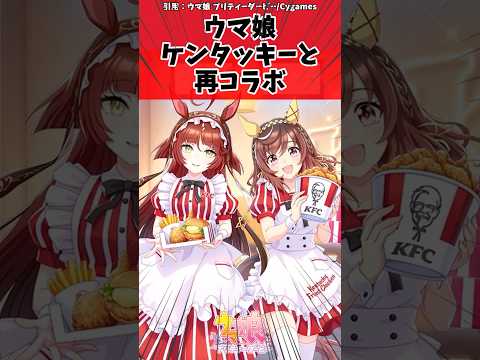
Uma Musume, the horse-girl themed mobile game that launched in March 2021, has announced its second collaboration with KFC (Kentucky Fried Chicken). The crossover features several characters in new costumes, with Guenabista taking a central position. Notably, the collaboration opts for school uniforms rather than KFC branded attire, maintaining the game’s core aesthetic while introducing the fast-food brand into the narrative.
Why It Matters
This collaboration exemplifies a critical shift in how gaming franchises approach crossover events. Rather than creating entirely new character designs or forcing brands into existing worlds, Uma Musume’s strategy preserves character identity while revealing new dimensions of established personalities. This approach has significant implications for how fan engagement—or “oshi-activity” (fan support culture)—evolves in gaming. The collaboration demonstrates that successful crossovers need not compromise creative integrity to achieve commercial success.
Background
Uma Musume: Pretty Derby is a competitive horse-racing simulation game where players train and develop female characters inspired by legendary racehorses. Since its launch, the game has become known for thoughtful collaboration events that integrate external brands without disrupting the game’s established world. The franchise has maintained over 200 playable characters across three years of operation, with a dedicated player base that actively engages in character development and support.
The game’s producer, Akihiro Ishihara, has previously stated that “preserving character essence leads to long-term fan acquisition.” This philosophy has guided Uma Musume’s collaboration strategy, distinguishing it from other major gaming franchises that prioritize novelty over narrative consistency.
Key Points
- School Uniforms Over Brand Uniforms: The collaboration uses academy-style uniforms rather than KFC-branded clothing, maintaining the game’s core aesthetic and subverting player expectations in a positive way.
- Takion (Teacher Takikawa) in Apron: The character’s new appearance generates positive reception by introducing a fresh perspective while maintaining recognizable personality traits.
- Dantz Receives Expanded Role: A previously supporting character gains prominence, functioning as a mechanism for players to discover new favorites.
- Guenabista as Center Position: The collaboration establishes this character as a focal point, suggesting intentional strategy to introduce players to specific personalities.
- Poppet (Pocke) Notably Absent: The previous collaboration participant sits out this event, indicating deliberate planning that maintains player anticipation for future crossovers.
- Character Essence Preservation: All featured characters remain recognizable despite new costumes, prioritizing identity consistency over novelty.
The Philosophy Behind the Collaboration
Uma Musume’s approach to crossovers fundamentally differs from industry standards. Where many games introduce collaboration characters as entirely new entities, Uma Musume uses existing characters as vessels for exploring new dimensions. This strategy serves multiple functions: it rewards long-term players by deepening their connection to familiar characters, while simultaneously offering new players accessible entry points through fresh character perspectives.
The choice to feature school uniforms rather than KFC uniforms exemplifies this philosophy. Player comments expressing surprise at this decision reveal that the collaboration subverted expectations—players anticipated branded uniforms but received something that enhanced rather than disrupted the game’s narrative world. This restraint demonstrates sophisticated understanding of fan psychology: the most satisfying surprises are those that exceed expectations while maintaining internal consistency.
Character Analysis and Strategic Placement
Takion’s New Dimension: The appearance of Takion (Teacher Takikawa) in an apron generates notably positive responses. This reflects a psychological mechanism where discovering new facets of familiar characters creates deeper emotional investment. The character remains recognizable as Takion while revealing an unexplored aspect of her personality.
Dantz’s Elevation: Dantz transitions from a supporting role to prominence within the collaboration. This strategic placement serves as a discovery mechanism—players who may not have previously engaged with this character now encounter her in a featured context. For players without established favorites, this positioning offers an ideal opportunity to develop new preferences.
Guenabista’s Central Role: Positioning Guenabista at the collaboration’s center suggests deliberate targeting of specific player demographics. Guenabista’s distinctive personality makes her particularly suited to attracting new players while rewarding existing supporters with expanded content.
The Strategic Absence: Poppet’s Omission
Poppet’s absence from this collaboration, despite participation in the previous KFC crossover, reveals sophisticated planning. Rather than featuring all popular characters in every collaboration, Uma Musume employs strategic rotation. This approach maintains player anticipation—those whose favorites didn’t appear in this collaboration can reasonably expect inclusion in future events. This creates sustained engagement rather than the diminishing returns that occur when all characters participate simultaneously.
Comparative Industry Analysis
Comparing Uma Musume’s approach to other major gaming franchises reveals distinct advantages:
Fate/Grand Order typically introduces collaboration characters as new entities with limited integration into existing narratives. While effective for novelty, this approach creates separation between collaboration content and core gameplay.
Princess Connect! Re:Dive primarily uses costume variations for existing characters, which maintains identity but offers limited narrative innovation.
Uma Musume uniquely combines character preservation with narrative expansion, allowing existing characters to reveal new dimensions while maintaining their core identity. This approach generates the strongest player satisfaction by balancing familiarity with discovery.
Fan Reception and Community Response
Analysis of player comments reveals several patterns:
Surprise at the school uniform choice indicates successful expectation management. Players anticipated branded uniforms and received something that enhanced rather than disrupted their experience, generating positive sentiment.
Positive reactions to Takion’s appearance suggest players value character depth over novelty. Comments praising the apron appearance reflect appreciation for discovering new character facets rather than simply encountering new costumes.
Multiple comments highlighting Dantz’s appeal indicate the collaboration successfully functions as a character discovery mechanism. Players are developing new favorites through exposure to previously overlooked characters.
Questions about Poppet’s absence demonstrate that players understand and accept the strategic rotation system. Rather than expressing disappointment, many acknowledge the planning behind character selection, indicating community maturity and understanding of long-term engagement strategies.
Insights: The Evolution of Fan Engagement
This collaboration illuminates broader shifts in gaming culture. Traditional fan engagement was passive—players accepted whatever content creators provided. Uma Musume represents a new paradigm where players actively participate in character development, creating personal investment that transcends passive consumption.
Collaborations function as accelerators for this active engagement. By introducing familiar characters in new contexts, Uma Musume enables players to discover dimensions they might otherwise miss. This discovery mechanism—finding new aspects of characters they’ve already invested in—creates deeper emotional connections than encountering entirely new characters.
The strategic use of character rotation maintains sustained anticipation. By ensuring that not every character appears in every collaboration, Uma Musume preserves the excitement of “maybe my favorite will appear next time.” This psychological mechanism sustains long-term engagement more effectively than satisfying all expectations immediately.
The collaboration also demonstrates that brand integration need not compromise creative integrity. By prioritizing narrative consistency over explicit branding, Uma Musume achieves commercial objectives while respecting player investment in the game’s world. This approach suggests a maturing gaming industry that recognizes long-term fan satisfaction outweighs short-term promotional visibility.
Looking Forward
Uma Musume’s collaboration strategy establishes a template for how gaming franchises can balance commercial partnerships with creative integrity. The success of this approach—measured by overwhelmingly positive player reception—suggests that future collaborations will increasingly prioritize character preservation and narrative consistency over explicit brand visibility.
The key to sustained success lies in maintaining the philosophy that character essence must be preserved. As collaboration frequency increases, the temptation to prioritize novelty over consistency will intensify. Uma Musume’s ability to resist this temptation will determine whether this collaboration model remains effective or becomes diluted through overuse.
For players, this collaboration represents an opportunity to engage more deeply with familiar characters while discovering new favorites. The strategic placement of characters like Dantz and Guenabista suggests intentional design to broaden player preferences and deepen overall engagement with the franchise.