▶ Watch the original YouTube video
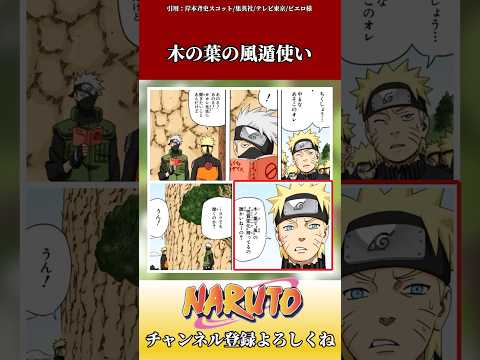
Why Wind Style Users from the Leaf Village Are Overlooked in Naruto: A 15-Year Fan Analysis
After 15 years of following the Naruto series, fans and critics have identified a persistent pattern: wind style users from the Leaf Village receive significantly less screen time and character development compared to users of other elemental styles. This analysis examines internet reactions, narrative structure, and production choices that have contributed to this disparity.
What Happened
Online communities across Twitter, Reddit, and anime forums have consistently noted that wind style (futon) users affiliated with the Leaf Village are underrepresented in the Naruto narrative. Unlike fire style users—prominently featured through the Uchiha clan and characters like Sasuke—or water style users who received significant storyline development, wind style remains conspicuously absent from major plot points and character arcs. This observation has sparked ongoing discussions about whether this disparity is accidental or a deliberate production choice.
Why It Matters
The treatment of elemental styles in long-running anime series directly impacts character popularity, fan engagement, and narrative balance. When certain elemental types are systematically underutilized, it creates a hierarchy of importance that affects how viewers perceive character potential and story significance. This pattern in Naruto reflects broader questions about how production teams allocate narrative resources and whether such choices enhance or diminish overall storytelling quality. Understanding these patterns helps fans and critics recognize intentional narrative design versus unintended oversight.
Background
The Naruto universe features five primary elemental styles: fire, water, earth, wind, and lightning. Fire style gained prominence through the Uchiha clan’s dominance and Sasuke’s central role in the narrative. Water style received substantial development through the Hidden Mist Village arc and various water-using characters. Earth style was associated with the Hidden Rock Village. Wind style, however, remained largely peripheral despite being the primary elemental affinity of protagonist Naruto Uzumaki—though his wind style abilities only became narratively significant during the series’ later stages.
This analysis draws from over 15 years of series observation, beginning around 2008 when the anime was in its early broadcast phase. The disparity became particularly apparent during the Chunin Exams arc, where multiple elemental styles were showcased, yet wind style users were notably scarce compared to other elemental types.
Key Points
- Low Recognition Among Leaf Village Wind Users: Internet discussions frequently note that wind style users from the Leaf Village are often forgotten or overlooked by the fanbase.
- Narrative Disadvantage Compared to Other Elements: Fire style (Uchiha clan), water style (Hidden Mist arcs), and earth style (Hidden Rock Village) all received more consistent storyline prominence than wind style.
- Structural Limitations in Elemental Design: Wind style was designed primarily for offensive purposes, limiting its application in defense, support, or daily-life scenarios—unlike fire style’s versatility or water style’s agricultural uses.
- Character Popularity Disparity: Wind style users consistently rank lower in official popularity polls compared to users of other elemental styles.
- Delayed Importance for Protagonist’s Element: Naruto’s wind style abilities remained underdeveloped until the series’ second half, creating an extended period where the protagonist’s primary element seemed insignificant.
- Insufficient Character Development for Later Wind Users: Even wind style users introduced in later story arcs failed to receive adequate screen time or narrative focus.
Timeline
- 2008 onwards: Initial anime broadcast; wind style disparity becomes apparent during early arcs.
- 2010–2012: Peak observation period; Uchiha clan popularity dominates; water style gains prominence through major story developments.
- Mid-series: Chunin Exams and subsequent arcs showcase multiple elemental styles; wind style users remain scarce.
- Series’ second half: Naruto’s wind style abilities suddenly gain narrative importance, creating a sharp contrast with earlier underutilization.
Perspectives
Production Intent Perspective: The delayed emphasis on wind style may represent a deliberate narrative strategy. By keeping Naruto’s primary element underdeveloped during early and middle story phases, the production team created a dramatic payoff when wind style suddenly became crucial to the plot. This approach mirrors storytelling techniques seen in other series, where withheld information generates narrative tension.
Character Allocation Perspective: The Leaf Village’s character roster shows significant imbalance in elemental distribution. Multiple fire style users exist (Sasuke, Kakashi), water style users are present, yet dedicated wind style specialists remain extremely limited. This suggests intentional character design choices rather than random distribution.
Fan Community Perspective: Online discussions reveal a self-reinforcing cycle: because wind style users are scarce, fewer fans develop strong attachments to the element, resulting in minimal fan community advocacy. This creates a perception that wind style is inherently less interesting, despite the element’s actual potential.
Positive Reinterpretation: Some fans argue that wind style’s underutilization makes its moments of prominence more impactful. The rarity of wind style focus creates appreciation when these characters do receive attention, inverting the disparity into a narrative advantage.
Internet Reactions
Twitter users frequently post variations of “Leaf Village wind style users really are overlooked,” with these observations intensifying during official character popularity poll announcements. Comments like “Of course they ranked low—they use wind style” have become common predictions when new wind style characters appear.
On 4chan and Reddit’s anime communities, periodic threads debate whether wind style’s treatment represents production oversight or intentional design. Common arguments include “The production team invested too heavily in fire and water styles” and “Wind style deserves more development.”
YouTube comment sections frequently feature predictive observations: “This character probably won’t get much screen time because they use wind style.” This pattern indicates that viewers have internalized the association between wind style affiliation and narrative marginalization.
Minority positive voices argue “Wind style users are underrated” and “The subtlety of wind style is actually appealing,” suggesting that some fans appreciate the element’s understated presence.
Insights
The wind style disparity in Naruto represents a calculated production decision rather than accidental oversight. The strategy of delaying emphasis on the protagonist’s primary element until the series’ second half creates dramatic impact but comes at the cost of individual character development for wind style users throughout the narrative.
This pattern reveals how production teams make trade-offs between long-term narrative payoff and character-level satisfaction. While the delayed importance of wind style may enhance overall story structure, it simultaneously limits the popularity and development potential of individual wind style characters who appear before this shift.
The phenomenon also demonstrates how elemental or attribute-based systems in long-running series require careful balancing. When certain attributes receive disproportionate narrative focus, it creates hierarchies that persist throughout the fanbase, affecting character popularity, merchandise appeal, and fan community formation.
For future Naruto-related projects or similar series, the lesson is clear: attribute diversity and balanced narrative distribution strengthen overall storytelling. While Naruto’s approach generated specific dramatic effects, a more equitable distribution of elemental focus from the series’ beginning would have enriched character development and sustained fan engagement across all elemental types.
Ultimately, the wind style disparity serves as a fascinating case study in how production choices, narrative structure, and character design intersect to shape viewer perception and fan community dynamics in long-form anime storytelling.