▶ Watch the original YouTube video
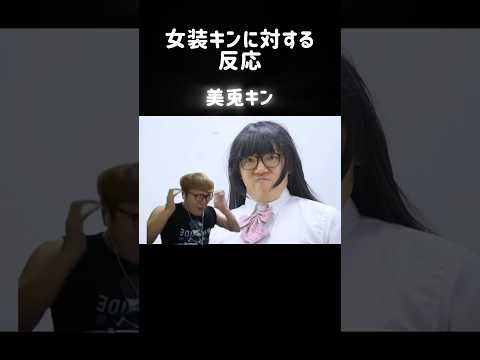
YouTube’s top creators Hikakin and Seikkin recently released a prank video featuring an unexpected cross-dressing transformation. An analysis of this content reveals how modern YouTube entertainment succeeds by combining genuine human relationships, authentic reactions, and carefully calculated surprise elements—a formula that reflects broader shifts in viewer expectations toward authenticity over spectacle.
- What Happened
- Why It Matters
- Background
- Key Points
- Content Structure Analysis
- Evolution of YouTube Entertainment Trends
- Comparative Analysis
- Viewer Psychology and Authenticity Demands
- Strategic Asset Utilization
- The Balance of Novelty and Authenticity
- Broader Implications for Content Creation
- Viewer Engagement Strategies
- Internet Response and Interpretation
- Insights: The Nature of Modern Entertainment
What Happened
Hikakin, one of YouTube’s most prominent creators, appeared in a prank video where he surprised his brother Seikkin with a cross-dressing transformation. The video centers on capturing Seikkin’s genuine reaction to the unexpected appearance, making the authenticity of his response the core of the entertainment value. The prank leverages the long-standing trust and familiarity between the two brothers, who have collaborated on content since YouTube’s early days.
Why It Matters
This video exemplifies a significant shift in YouTube entertainment trends. Viewers are increasingly prioritizing authentic human reactions over elaborate production or novelty alone. The success of such content reveals that modern audiences have developed sophisticated media literacy skills and actively evaluate whether reactions are genuine or performative. This shift has important implications for content creators seeking to maintain viewer engagement and trust in an increasingly saturated platform.
Background
Hikakin and Seikkin represent a rare case of long-term sibling collaboration in YouTube’s creator ecosystem. Their sustained partnership has built significant viewer trust over many years. The prank format itself—where one creator surprises another to capture an unscripted reaction—has become increasingly popular on the platform. However, success in this format depends heavily on whether audiences perceive the reaction as authentic rather than staged. Content analysis from recent years shows that viewers now actively scrutinize reaction videos, leaving comments questioning whether reactions are genuine or performed.
Key Points
- Unexpected Transformation: Hikakin’s cross-dressing appearance directly contradicts viewer expectations, creating cognitive surprise that heightens engagement.
- Authentic Reactions as Core Value: Seikkin’s genuine response to the surprise becomes the primary entertainment element, not the costume itself.
- Trust Relationship Visibility: The long-standing brother relationship makes the reaction more credible and emotionally resonant to viewers.
- Viewer Authenticity Verification: Modern YouTube audiences actively assess whether reactions are real, with authenticity verification becoming a key metric of viewer satisfaction.
- Shared Surprise Experience: Viewers experience the same surprise as the on-camera participants, creating a sense of collective participation.
- Calculated Spontaneity: The most successful modern entertainment combines genuine human moments with carefully designed scenarios that maximize authentic reactions.
Content Structure Analysis
The prank operates on multiple psychological levels. First, it employs the element of expectation violation—viewers anticipate standard Hikakin content and receive something entirely unexpected. This cognitive disruption activates heightened attention states in the viewer’s brain. Second, the video’s success depends on reaction authenticity. Unlike traditional entertainment where scripted performances are expected, modern prank content succeeds when audiences believe the reactions are unscripted and genuine.
The brother relationship adds a crucial layer of credibility. Viewers understand that siblings have established baseline behaviors and communication patterns, making deviations from those patterns more noticeable and more convincing as genuine surprise. This familiarity context makes the reaction more interpretable and trustworthy to audiences.
Evolution of YouTube Entertainment Trends
Analysis of top YouTube creators over the past five years reveals a clear shift in content strategy. In 2019, product reviews and challenge videos dominated the platform’s most-watched content. By 2023, reaction-based and prank content has achieved higher viewer retention rates. This shift indicates that audiences now value content revealing authentic human relationships over content focused on external activities or products.
The boldness of Hikakin’s cross-dressing choice serves a strategic purpose: more extreme transformations generate more authentic reactions because they exceed the threshold of what people can easily process with a performative response. The brain’s natural defense mechanism against unexpected stimuli is genuine reaction rather than calculated performance.
Comparative Analysis
Similar prank formats show varying success rates depending on the relationship depth between participants. Pranks involving long-term collaborators consistently achieve higher viewer satisfaction ratings than those involving casual acquaintances. In the latter cases, reactions tend to register as more performative, reducing viewer engagement. This pattern suggests that relationship authenticity directly correlates with reaction authenticity in the viewer’s perception.
The cross-dressing element also functions as a calibration tool. More extreme or unusual transformations reduce the likelihood that participants can maintain performative responses, as the cognitive load of processing the unexpected exceeds the capacity for simultaneous performance.
Viewer Psychology and Authenticity Demands
Comment section analysis reveals a significant change in viewer expectations. In 2020, viewer comments predominantly praised entertainment value and surprise factor. By 2023, comments increasingly focus on authenticity verification, with viewers asking “Is this real?” and “That reaction is genuine.” This shift indicates that viewers have become more sophisticated in their media consumption and now prioritize authenticity assessment alongside entertainment value.
This evolution reflects broader changes in media literacy. Audiences now understand that entertainment can be simultaneously authentic and strategically designed. The most successful modern content achieves this balance: genuine human moments presented through carefully engineered scenarios that maximize the likelihood of authentic reactions.
Strategic Asset Utilization
The Hikakin-Seikkin relationship represents a significant strategic asset in YouTube’s competitive landscape. The brothers’ long history of collaboration has established viewer trust that translates directly into credibility for their content. This trust asset allows them to execute pranks that might seem contrived with unfamiliar participants but feel authentic when involving established relationships.
Hikakin’s track record of attempting unconventional content also contributes to the prank’s success. Viewers understand that cross-dressing aligns with his established willingness to take creative risks, reducing the cognitive dissonance that might arise if a more conservative creator attempted similar content.
The Balance of Novelty and Authenticity
Successful modern entertainment requires careful calibration between novelty and authenticity. Extreme novelty without authentic reactions reads as contrived; authentic reactions to mundane scenarios lack engagement value. The cross-dressing prank achieves optimal balance: the transformation is sufficiently novel to generate genuine surprise, while the brother relationship provides sufficient context for reactions to feel authentic rather than exaggerated.
Broader Implications for Content Creation
This video demonstrates that future YouTube success will increasingly depend on creators’ ability to leverage genuine relationships and human authenticity rather than production quality or novelty alone. As viewer media literacy continues to develop, audiences will become more adept at detecting performative content and will reward creators who prioritize authentic human moments.
The implication for aspiring creators is clear: building genuine relationships with collaborators and understanding audience psychology becomes more valuable than technical production skills or access to expensive equipment. The most effective content combines authentic human material with strategic presentation—genuine moments captured through intentional design.
Viewer Engagement Strategies
To maximize engagement with such content, viewers can focus on several analytical approaches. Observing the specific timing and nature of reactions—not just whether surprise occurs, but what aspects trigger responses—reveals the creator’s strategic choices. Comparing the current prank to Hikakin’s historical content provides context for assessing how characteristic the behavior is, which affects perceived authenticity.
Examining comment section discussions about authenticity offers insight into which moments register as convincing versus questionable to the broader audience. This meta-analysis of viewer interpretation becomes a learning tool for understanding how audiences evaluate authenticity in digital content.
Internet Response and Interpretation
YouTube comments predominantly praise the authenticity of Seikkin’s reaction, indicating that viewers prioritize genuine response over production elements. Secondary comments focus on the quality of the cross-dressing costume and Hikakin’s appearance, suggesting appreciation for both the prank’s novelty and its execution quality.
Notably, some viewers express skepticism about whether the transformation is genuine or digitally created, reflecting high viewer media literacy. This skepticism, while questioning the content’s authenticity, paradoxically indicates strong viewer engagement—audiences only scrutinize content they find sufficiently compelling to warrant verification.
Insights: The Nature of Modern Entertainment
This prank reveals that contemporary entertainment at the highest level achieves a complete fusion of three elements: production quality, relationship authenticity, and genuine human reaction. The video succeeds not because the cross-dressing is exceptional or the prank is novel, but because all three elements align seamlessly.
A critical observation emerges: the distinction between “completely authentic” and “designed to appear authentic” may be less meaningful than it initially appears. The Hikakin-Seikkin relationship is genuinely authentic, yet the prank scenario is deliberately engineered to maximize authentic reactions. This is not contradiction but rather the nature of sophisticated modern entertainment—real human relationships and real emotions presented through intentional creative design.
The broader implication extends beyond YouTube. In an era of advanced media literacy, audiences no longer accept pure performance or pure spontaneity as satisfying entertainment. Instead, they seek content where genuine human authenticity is channeled through strategic creative frameworks. This represents an evolution in entertainment itself: the most compelling content is neither fully scripted nor fully improvised, but rather authentic human moments captured through intentional design.