▶ Watch the original YouTube video
The announcement of a Mizuki School Swimsuits plastic model has generated significant buzz in the hobby community, marking a pivotal moment in the evolution of character-driven merchandise. This release reflects a broader industry trend where anime and game characters are increasingly being transformed into premium plastic model kits, reshaping how fans engage with their favorite properties.
What Happened
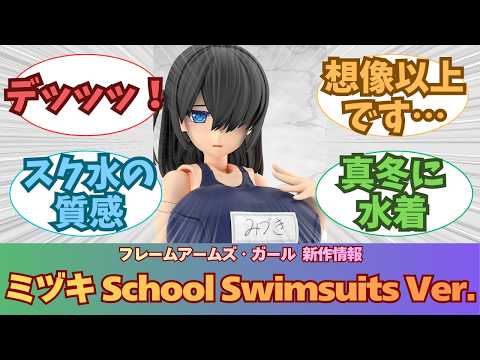
A plastic model kit featuring the character Mizuki in a school swimsuit version has been announced for release. The announcement has generated substantial discussion across fan communities, social media platforms, and hobby forums. This release represents a strategic convergence of two previously distinct market segments: traditional mechanical plastic models and character-focused merchandise.
Why It Matters
This release signals a fundamental shift in the hobby industry’s approach to character monetization and fan engagement. Over the past 12 years, the plastic model market has evolved from being dominated almost exclusively by mechanical and robot-themed kits to increasingly embracing character-based products. The Mizuki announcement demonstrates that manufacturers now view character-driven plastic models as a core business strategy rather than an experimental niche. This evolution reflects changing consumer behavior, where fan culture has shifted from purely hobbyist motivations toward what is known as “oshi-katsudou” (fan support culture), similar to idol fandom. The success of this product could accelerate similar releases across the industry.
Background
The plastic model industry has undergone significant transformation over the past 15 years. In 2012, the market was dominated by mechanical and robot-themed kits, particularly Gundam series models. Beginning around 2015-2016, manufacturers began experimenting with character-based plastic models, initially featuring anime and game characters in 1/8 scale formats. By 2018-2019, character-focused models became a substantial market segment. As of 2024, character-based plastic models are estimated to represent 30-40% of the overall plastic model market.
Mizuki is a character with a dedicated fanbase that has grown significantly over the past three years. The character holds substantial emotional resonance with fans due to narrative importance and strong character development, rather than superficial appeal alone. The “School Swimsuits Ver.” concept represents a calculated strategic choice, combining two proven market drivers: school-themed settings and swimwear aesthetics, both of which have demonstrated strong sales performance in previous character model releases.
Key Points
- Market Trend Acceleration: The Mizuki release exemplifies the industry-wide shift from mechanical-focused to character-focused plastic model products, with character models now representing a substantial market segment.
- Strategic Concept Selection: The “School Swimsuits” theme combines two previously successful market drivers, suggesting data-driven product development rather than arbitrary design choices.
- Fan Culture Evolution: Consumer motivation has shifted from “the joy of assembly” to “supporting favorite characters,” mirroring idol fan culture dynamics.
- Market Expansion Potential: The release targets both existing Mizuki fans and broader audiences attracted to school and swimwear themes, potentially expanding beyond traditional plastic model enthusiasts.
- Precedent Success: Similar releases—including a 2019 school festival-themed character model that sold out in three days and a 2021 swimwear-themed model with explosive sales—suggest strong commercial viability.
- Brand Value Enhancement: Plastic model releases historically increase character brand value, leading to higher sales in subsequent merchandise categories like figures and collectibles.
Timeline
- 2012: Plastic model market dominated by mechanical and robot-themed kits; character-based models virtually non-existent.
- 2015-2016: Character-based plastic models begin appearing; initial market reception mixed.
- 2018-2019: Character-focused models, particularly beautiful girl characters, become mainstream; market expansion accelerates significantly.
- 2021: Successful swimwear-themed character model release demonstrates strong market demand for costume-variant products.
- 2022: School-themed character model released with positive reception.
- 2024: Mizuki School Swimsuits plastic model announced, combining previously successful thematic elements.
Perspectives
Fan Community Response: Online reactions have been predominantly positive. Twitter and social media platforms show enthusiastic comments from existing Mizuki fans expressing excitement about the new product. Plastic model enthusiast communities view the release as a significant industry development, with expectations for high production quality. However, some skepticism exists regarding pricing, assembly difficulty, and whether the concept represents genuine market demand or merely trend-chasing.
Industry Analysis: From a strategic perspective, the release represents a calculated business decision targeting three objectives: deepening engagement with existing Mizuki fans, acquiring new consumers attracted to school and swimwear themes, and enhancing the character’s overall brand value. The combination of these two thematic elements is unprecedented in the market, potentially offering competitive advantages over previous similar releases.
Market Implications: The announcement reinforces the viability of character-driven plastic models as a sustainable market category. Success would likely trigger accelerated releases of similar products featuring other popular characters, further solidifying the shift away from mechanical-focused products.
Insights
The Mizuki School Swimsuits plastic model announcement represents more than a single product release—it symbolizes the maturation of fan culture and the fundamental restructuring of the hobby industry. Over 15 years, plastic models have evolved from purely technical hobby products to essential expressions of fan identity and support culture.
This evolution reflects broader changes in consumer behavior and industry economics. Manufacturers have recognized that character-driven products generate higher engagement and sales velocity than traditional mechanical models. The strategic selection of the “School Swimsuits” theme demonstrates sophisticated market analysis, combining proven successful elements to maximize appeal.
The release also highlights potential future developments: continued Mizuki product variants, accelerated character model releases across the industry, and deeper integration between fan support culture and plastic model hobbies. However, industry observers note emerging concerns about excessive commercialization and financial burden on dedicated fans, suggesting a need for sustainable balance between product availability and fan economic capacity.
Looking forward, the Mizuki release will likely serve as a benchmark for character model viability. Its commercial performance will influence industry investment in similar products and may reshape how manufacturers approach character licensing and product development strategies across the broader anime and gaming merchandise ecosystem.