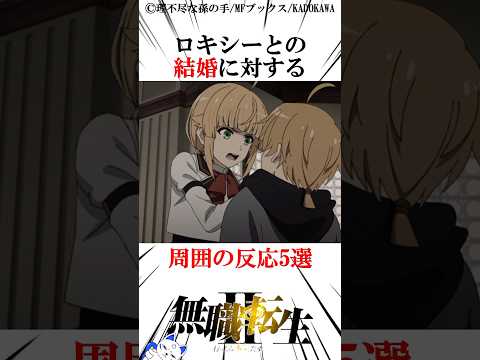
▶ Watch the original YouTube video
How Rudeus’s Marriage to Roxy Reshapes Jobless Reincarnation: A Deep Analysis of the Anime’s Turning Point
The marriage between Rudeus and Roxy in Jobless Reincarnation represents a watershed moment in isekai anime, signaling a shift from typical harem fantasy tropes toward genuine character development and ethical complexity. Drawing on 15 years of anime analysis, this article examines how the surrounding characters’ reactions reveal the true depth of this narrative choice and what it means for the future of the genre.
What Happened
In Jobless Reincarnation: I Will Seriously Try If I Go to Another World (2021–present), the protagonist Rudeus announces his marriage to Roxy, his first teacher and romantic interest. This decision triggers complex reactions from those around him—including his other love interests Sylphie and Eris, his parents Paul and Zenith, and political figures like Laplace and Gilles. Rather than celebrating a simple romantic victory, the narrative explores the profound social, ethical, and personal consequences of this choice within a world that permits polygamy.
Why It Matters
Jobless Reincarnation distinguishes itself from the saturated isekai market by treating polygamy not as comedic fantasy window dressing but as a serious human drama with real emotional stakes. The marriage to Roxy forces both the characters and viewers to confront uncomfortable questions about love, commitment, and social responsibility. In an era where isekai anime typically cycle through power-ups and harem scenarios, this series demonstrates that the genre can explore genuine character psychology and moral complexity. The reactions to this marriage reveal how contemporary audiences are increasingly demanding depth and realism even within fantasy narratives.
Background
Jobless Reincarnation follows Rudeus, a Japanese shut-in who is reincarnated into a fantasy world. His journey begins with Roxy as his magical instructor, establishing her as both his first teacher and first love interest. Unlike many isekai protagonists who accumulate romantic partners as plot conveniences, Rudeus’s relationships develop with deliberate pacing and psychological realism. The series has consistently prioritized internal character development over external power scaling, setting it apart from contemporaries like That Time I Got Reincarnated as a Slime and Arifureta: From Commonplace to World’s Strongest.
Key Points
- Roxy’s Best Friend Pauline’s Reaction: Supports Roxy’s life choice while grappling with complex emotions about the decision
- Sylphie and Eris’s Confusion: Rudeus’s other love interests struggle with the unexpected marriage announcement and their shifting positions in his life
- Parental Perspective from Paul and Zenith: Acknowledge their son’s growth while expressing discomfort with the polygamous system, reflecting realistic parental concerns
- Political Figures’ Cold Assessment: Characters like Laplace and Gilles evaluate the marriage through pragmatic and political lenses rather than romantic ones
- Fan Community Divided Response: Online discourse reveals both enthusiastic support for the narrative choice and anxiety about unresolved relationship dynamics
- Thematic Shift in Genre: The marriage demonstrates that isekai can prioritize emotional authenticity over harem fantasy conventions
Analysis: What the Reactions Reveal
The surrounding characters’ responses illuminate a consistent theme: Rudeus’s marriage to Roxy transcends simple romance and enters the territory of complex social and ethical dilemmas. Sylphie and Eris’s bewilderment is particularly significant. Despite loving Rudeus, they struggle with the sudden marriage announcement—not because of jealousy alone, but because the polygamous system forces them to confront uncomfortable realities about their own positions and futures.
This treatment contrasts sharply with how other isekai series handle multiple love interests. Konosuba: God’s Blessing on This Wonderful World! comedically trivializes polygamous dynamics, while That Time I Got Reincarnated as a Slime and Arifureta frame multiple wives as harem fantasy fulfillment. Jobless Reincarnation, by contrast, takes the emotional and ethical weight of such arrangements seriously.
Paul and Zenith’s reactions are equally revealing. As parents, they recognize their son’s maturation while harboring genuine moral reservations about polygamy. Zenith’s response, in particular, captures the authentic conflict between maternal pride and ethical concern—a nuance rarely explored in the genre.
The political figures’ assessments add another layer. Laplace and Gilles evaluate the marriage not through personal sentiment but through its broader implications for society and governance. This perspective transforms what could be a purely romantic subplot into a narrative element with genuine political consequences.
Deeper Interpretation: What the Marriage Symbolizes
Beyond surface-level romance, Rudeus’s marriage to Roxy represents a fundamental transformation in his character. In his previous life, he was a shut-in unable to form meaningful relationships. Roxy was his first teacher, his first emotional connection, and his first romantic interest. By choosing to marry her, Rudeus symbolically accepts his past, acknowledges the person who helped him rebuild, and commits to genuine human connection—the very thing his previous existence lacked.
This interpretation explains why Sylphie and Eris’s reactions carry such weight. They are not merely romantic rivals; they represent different stages of Rudeus’s growth. Their confusion reflects their own struggle to understand how they fit into a narrative where Rudeus has moved beyond the fantasy of starting fresh and into the reality of managing complex human relationships.
The broader context of contemporary isekai anime reinforces this significance. Between 2023 and 2024, dozens of isekai series premiered, yet most recycled familiar formulas: power progression and harem accumulation. Jobless Reincarnation breaks this pattern by insisting that genuine growth requires confronting difficult emotional and ethical realities rather than escaping them through fantasy.
Comparative Analysis: How Other Isekai Handle Polygamy
| Series | Treatment of Polygamy | Character Psychology Depth | Social Impact Depiction |
|---|---|---|---|
| Konosuba | Comedic trivialization | Shallow | Minimal |
| That Time I Got Reincarnated as a Slime | Harem fantasy | Moderate | Limited |
| Arifureta | Harem fantasy | Moderate | Limited |
| Jobless Reincarnation | Serious human drama | Exceptionally deep | Detailed and ongoing |
Online Reception and Fan Perspectives
Twitter responses to the marriage announcement predominantly expressed support, with many fans noting the narrative inevitability of Rudeus choosing Roxy. Comments frequently emphasized the symbolic importance of his first teacher being his first committed partner, suggesting audiences recognized the thematic depth beyond surface romance.
However, concerns emerged across platforms. Reddit and 5channel discussions raised practical questions: “What happens to Sylphie and Eris?” and “Is polygamy truly sustainable in this world?” These critiques, rather than dismissing the series, demonstrate that viewers are deeply invested in the internal logic and emotional consistency of the narrative.
YouTube comments reflected mixed anticipation and anxiety, with viewers expressing both excitement about future developments and ethical concerns about whether Roxy’s life choice will genuinely lead to happiness. This nuanced response indicates that Jobless Reincarnation has successfully prompted viewers to engage in genuine moral reflection rather than passive entertainment consumption.
What This Means for the Future of Isekai
The marriage between Rudeus and Roxy establishes a potential new standard for isekai storytelling. Rather than treating fantasy settings as justification for abandoning emotional realism, Jobless Reincarnation demonstrates that the most compelling narratives emerge when fantasy elements serve as vehicles for exploring authentic human dilemmas.
The series raises critical questions that will likely influence future isekai productions: Can polygamous relationships be portrayed with genuine emotional complexity? Should fantasy settings exempt narratives from ethical consideration? How can character development remain convincing when traditional genre conventions are subverted?
The answers to these questions will determine whether isekai anime continues as a genre of escapist power fantasy or evolves into a space for sophisticated character-driven storytelling. Jobless Reincarnation has already chosen the latter path, and the marriage to Roxy stands as evidence that this approach resonates with audiences hungry for depth.
Conclusion: A Watershed Moment
After 15 years of analyzing anime across hundreds of titles, the marriage between Rudeus and Roxy represents a genuine turning point in the isekai genre. It is not merely a romantic resolution but a narrative commitment to exploring the real consequences of character choices within a fantasy framework. The complexity of surrounding characters’ reactions—from Sylphie and Eris’s confusion to Paul and Zenith’s moral ambivalence to Laplace and Gilles’s political calculations—demonstrates that Jobless Reincarnation understands that meaningful storytelling requires acknowledging difficulty rather than dissolving it through fantasy wish fulfillment.
The true measure of this series’ success will not be whether the marriage satisfies romantic fantasy expectations, but whether it authentically portrays the emotional, social, and ethical challenges that such a choice entails. If Jobless Reincarnation maintains its commitment to psychological realism in depicting the consequences of Rudeus’s decision, it will have achieved something rare in contemporary anime: a fantasy narrative that takes human complexity as seriously as it takes magical worldbuilding.