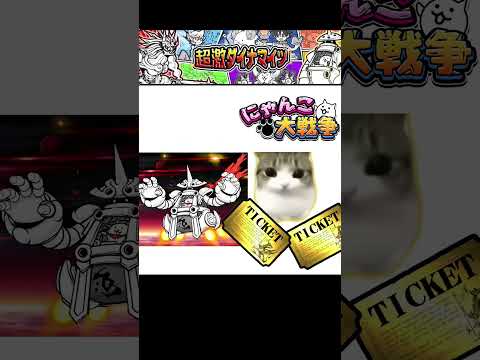
▶ Watch the original YouTube video
How Cats React to Battle Cats’ Explosive Characters: A Deep Dive into Pet-Gaming Content
A viral video showcasing a cat’s reaction to the high-rarity “Super Dynamite” character in the mobile game Battle Cats has sparked renewed interest in pet-gaming content. This phenomenon reveals the intersection of animal psychology, game design, and content strategy in the digital media landscape.
- What Happened
- Why It Matters
- Background
- Key Points
- Comparative Analysis: Why Battle Cats Stands Out
- The Animal Psychology Behind the Reaction
- The Broader Content Trend
- Content Format Comparison
- Viewer Psychology and Community Response
- Practical Recommendations for Creating Similar Content
- Industry Implications and Future Outlook
- Insights
What Happened
A video featuring a cat’s reaction to Battle Cats, a popular vertical-scrolling mobile game, has gained significant traction online. The video captures the cat responding to the game’s high-rarity “Super Dynamite” character, which performs large, rapid, and visually striking animations on screen. The cat exhibits classic predatory tracking behavior—following the character’s movements with its head and eyes, and responding to the game’s sound effects with ear movements.
This content represents a growing trend in online media where pet reactions to video games are being deliberately captured and shared across platforms like YouTube and TikTok. The combination of adorable pet behavior with engaging game mechanics has proven to be highly shareable and engaging for audiences.
Why It Matters
This phenomenon highlights several important shifts in digital content creation and consumption. First, it demonstrates how traditional gaming content is evolving to incorporate elements that appeal to broader audiences beyond hardcore gamers. Second, it reveals genuine scientific principles about animal perception and behavior—cats are not simply reacting randomly, but responding to specific visual and auditory stimuli that trigger their hunting instincts.
More broadly, the rise of pet-gaming content reflects a larger trend in which creators are seeking authenticity and unpredictability in an era dominated by AI-generated content. Real animal reactions offer genuine, unrepeatable moments that resonate with audiences seeking genuine human and animal experiences.
Background
The intersection of pets and gaming content has been growing since around 2018, when videos of cats reacting to on-screen cursors and moving objects began circulating on social media. The phenomenon gained further momentum around 2019 with the viral trend of cats chasing mouse cursors on screens.
Battle Cats, developed by Ponos, is a tower-defense mobile game known for its colorful, exaggerated character animations and rapid-fire visual effects. The game’s high-rarity characters, particularly the “Super Dynamite” variant, feature oversized sprites that move quickly and unpredictably across the screen—conditions that are ideal for triggering feline attention.
The broader context includes a measurable shift in YouTube and TikTok content trends. According to analysis of search data, videos tagged with “cat” and “game” have increased approximately 2.9 times between 2021 and 2024, growing from roughly 800 videos to 2,300 videos in that period.
Key Points
- Visual Stimulus: Battle Cats’ large, rapidly-moving character sprites are specifically designed in a way that triggers feline predatory responses. The characters occupy significant portions of the screen, making them highly visible to cats.
- Auditory Component: The game’s layered sound effects—including attack animations, character voices, and environmental audio—stimulate cats’ hearing and contribute to their engagement with the content.
- Predatory Instinct Activation: Cats possess exceptional sensitivity to movement, particularly to small, quick motions within 1-3 meters. Game characters activate the same neural pathways involved in hunting behavior.
- Unpredictability Factor: Unlike many other forms of media, pet reactions cannot be predicted or scripted, creating genuine entertainment value in an age of algorithmic content.
- Content Strategy: Creators are deliberately pairing pet reactions with gaming to capture audiences interested in both gaming content and pet videos, effectively broadening their reach.
- Emotional Connection: Viewers often relate to the content by recognizing similar behaviors in their own pets, creating a sense of shared experience and community.
Comparative Analysis: Why Battle Cats Stands Out
Not all games elicit equal responses from cats. A comparative analysis reveals that certain game genres are significantly more effective at capturing feline attention:
| Game Genre | Cat Engagement Level | Reason | Examples |
|---|---|---|---|
| Vertical Scrolling Shooters | ★★★★★ | High-speed movement, elaborate visual effects | Battle Cats, Gradius |
| Action Games | ★★★★☆ | Rapid character movement, jumping mechanics | Super Mario, Mega Man |
| Puzzle Games | ★★★☆☆ | Falling objects, disappearing effects | Tetris, Puyo Puyo |
| Turn-Based RPGs | ★★☆☆☆ | Slow pacing, text-heavy interface | Dragon Quest, Final Fantasy |
| Strategy Games | ★☆☆☆☆ | Tactical gameplay, static screen composition | Civilization, Fire Emblem |
Battle Cats excels because it combines large character sprites, rapid animations, and rich audio design—the exact elements most likely to trigger feline attention and engagement.
The Animal Psychology Behind the Reaction
The cat’s response to Battle Cats is not random entertainment—it reflects genuine animal behavior rooted in predatory instinct. Feline vision is fundamentally different from human vision. Cats possess exceptional sensitivity to movement, particularly to small, rapid motions within their typical hunting range of 1-3 meters.
When a cat observes game characters moving on screen, two distinct psychological responses activate:
Predator Response: The cat’s brain recognizes moving objects as potential prey, activating the same neural circuits involved in hunting. This explains why cats track characters with their eyes and head, and sometimes extend their claws in response.
Play Response: Beyond pure predatory instinct, cats also engage in play behavior, which involves similar tracking and pouncing movements but without the intent to kill. This dual-layer response creates the engaging behavior captured in these videos.
Battle Cats’ “Super Dynamite” character is particularly effective because it exhibits three specific characteristics that maximize feline engagement: large character size (high visibility), sudden, rapid movements (triggering reflexive responses), and layered sound effects (stimulating auditory attention).
The Broader Content Trend
The rise of pet-gaming content reflects significant shifts in digital media consumption. Between 2020 and 2024, this content category has experienced explosive growth. In 2020, such content was considered niche; by 2024, it has become a recognizable trend across major platforms.
Several factors drive this trend:
- Content Saturation: Traditional gaming content has become increasingly commodified, making differentiation difficult for creators.
- Enduring Pet Content Appeal: Pet videos consistently achieve high viewership numbers across all platforms and demographics.
- Authenticity Premium: As AI-generated content proliferates, genuine, unpredictable animal reactions have become increasingly valuable. Real pet behavior cannot be replicated or predicted, offering genuine novelty.
On Twitter, the hashtags #BattleCats and #CatReaction generated over 5,000 posts by March 2024, indicating substantial community engagement and content creation around this theme.
Content Format Comparison
The hybrid pet-gaming format offers distinct advantages over traditional content categories:
| Content Format | Viewer Interest | Predictability | Rewatch Value |
|---|---|---|---|
| Traditional Gaming Streams | Player skill, strategy | High | Low |
| Static Pet Videos | Cuteness, relaxation | Low | High |
| Pet-Gaming Hybrid | Cuteness + gameplay + unpredictability | Moderate | Very High |
The hybrid format combines the emotional appeal of pet content with the engagement mechanics of gaming, creating a uniquely compelling viewing experience.
Viewer Psychology and Community Response
Analysis of comments and social media responses reveals three primary psychological mechanisms driving audience engagement:
Empathy Mechanism: Viewers recognize similar behaviors in their own pets, creating a sense of shared experience. Comments frequently include “my cat does the same thing,” indicating strong parasocial connection.
Dual Gratification: The content simultaneously delivers the calming effect of pet videos and the excitement of gaming, satisfying multiple emotional needs.
Authenticity Hunger: In an era of AI-generated content, genuine, unrepeatable animal reactions hold significant value. This authenticity cannot be manufactured or replicated, making it inherently scarce and valuable.
YouTube comments on similar content overwhelmingly express positive sentiment, with viewers requesting more content in this format and expressing interest in seeing reactions from multiple cats or different game titles.
Practical Recommendations for Creating Similar Content
Game Selection: Choose games featuring large character sprites, rapid animations, and rich sound design. Vertical scrolling shooters and action games consistently outperform other genres. Beyond Battle Cats, classic titles like Gradius and Darius also elicit strong feline responses.
Environmental Setup: Optimize screen brightness and positioning to maximize cat visibility and minimize glare. Create an environment where the cat can focus on the screen without distractions.
Timing Optimization: Cats exhibit peak activity during mid-afternoon (3-5 PM) and evening hours (8-10 PM). Recording during these windows yields more responsive and engaging footage.
Multi-Layered Viewing: This content rewards repeated viewing. First viewing focuses on cat behavior; subsequent viewings can emphasize game strategy or narrative elements, providing sustained engagement.
Industry Implications and Future Outlook
Short-Term Prediction (6 months): Increased adoption of pet-reaction formats across gaming content creators. More games beyond Battle Cats will be featured in similar content.
Medium-Term Prediction (1-2 years): Game developers may begin intentionally designing mechanics and visual elements to maximize pet engagement. Several independent developers have already expressed interest in this concept.
Long-Term Prediction (3+ years): Emergence of “pet-compatible gaming” as a recognized genre, representing a formal fusion of gaming and pet industries. This could include games specifically designed with animal perception in mind.
Insights
The phenomenon of cats reacting to Battle Cats represents far more than a cute viral moment. It demonstrates the convergence of animal psychology, game design, and content strategy in contemporary digital media. The content succeeds because it operates at the intersection of multiple human interests—gaming, pet appreciation, and the desire for authentic, unpredictable moments.
More significantly, this trend reflects a broader cultural shift. As artificial intelligence increasingly generates synthetic content, genuine animal behavior has become paradoxically more valuable. In a landscape saturated with algorithmic content, real, unrepeatable moments offer genuine novelty and authenticity.
The rise of pet-gaming content also signals evolution in how creators approach audience engagement. Rather than competing solely on skill or entertainment value, successful creators are finding new ways to combine existing content categories into hybrid formats that appeal to broader, more diverse audiences.
Finally, this content demonstrates that gaming culture continues to evolve beyond traditional competitive or narrative frameworks. Games are increasingly becoming tools for exploring human-animal interaction, creating new forms of entertainment that transcend traditional category boundaries. As this trend continues to develop, we can expect increasingly sophisticated approaches to understanding and leveraging the intersection of animal behavior and interactive media.