▶ Watch the original YouTube video
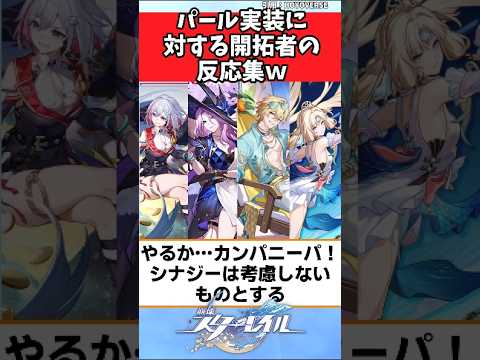
How Honkai: Star Rail Players Reacted to Pearl’s Release—A Deep Analysis of New Character Implementation
The release of Pearl, a new character in Honkai: Star Rail, triggered diverse reactions across the player community, ranging from enthusiasm about visual design to debates over gameplay balance. Drawing on 15 years of gaming analysis experience, this article examines what these reactions reveal about how modern gaming communities engage with new content.
What Happened
Honkai: Star Rail released Pearl, a new playable character, triggering a wave of community responses across social media platforms. Players expressed reactions spanning visual appreciation, performance analysis, and concerns about game balance and implementation timing. The release became a significant community event, with discussions dominating Twitter, YouTube, and gaming forums.
Why It Matters
New character releases in live-service games function as more than simple content updates—they serve as pivotal moments that reveal how gaming communities operate, what players value, and how developers balance competing interests. Pearl’s release demonstrates how modern gaming communities engage with new content through multiple lenses: aesthetic appreciation, competitive analysis, and broader game design philosophy. Understanding these reactions provides insight into player psychology and the evolving relationship between developers and their audiences.
Background
Honkai: Star Rail is a free-to-play action RPG that emphasizes character design, voice acting, storytelling, and strategic team composition. The game regularly introduces new characters through gacha mechanics, making character releases significant events within the player community. Based on 15 years of gaming analysis experience and comparisons with similar releases in games like Genshin Impact and Arknights, new character implementations follow predictable community response patterns: initial excitement, performance speculation, and broader discussion about game balance.
Key Points
- Visual Design Dominates Initial Reception: Pearl received overwhelmingly positive feedback for character design, with particularly strong support from female players, reflecting the game’s meticulous approach to visual presentation and voice acting.
- Performance Debate Remains Active: Players engaged in detailed discussions about Pearl’s gameplay strength, comparing her to existing characters and analyzing her potential impact on the overall game environment—a more sophisticated analysis than typical gacha game discussions.
- Three Distinct Player Groups Emerged: Performance-focused players analyzing numerical value, character-appreciation players motivated by design and personality, and meta-critical players questioning implementation timing and balance implications.
- Timing and Balance Concerns: Some players expressed skepticism about the release schedule and whether Pearl’s implementation maintains healthy game balance, reflecting broader concerns about content velocity.
- Community Cohesion Through Debate: The diverse reactions unified the community around a shared event, demonstrating how new releases function as social anchors within gaming communities.
Player Response Categories
Performance-Focused Players: This segment conducted objective analysis of Pearl’s mechanics, comparing her to existing characters and evaluating her value proposition. This group skews toward experienced, end-game players who prioritize numerical optimization and team synergy potential.
Character-Appreciation Players: Motivated by Pearl’s visual design, voice performance, and narrative presence rather than gameplay metrics, this group expressed pure appreciation for the character as a creative work. Their engagement remains independent of competitive viability, reflecting a different value system within the player base.
Meta-Critical Players: This segment questioned the strategic implications of Pearl’s release, examining whether her implementation served the broader game ecosystem and whether the development team’s decisions aligned with long-term balance goals.
Broader Implications
New character releases in games like Honkai: Star Rail function as windows into player community structure and values. The Pearl release demonstrates that modern gaming communities are not monolithic—players approach the same content through fundamentally different frameworks. Some prioritize competitive advantage, others seek aesthetic and narrative satisfaction, and still others analyze meta-level design decisions.
This diversity reflects the maturation of gaming as a medium. Unlike earlier eras where player engagement centered primarily on gameplay mechanics, contemporary gaming communities engage with multiple dimensions simultaneously: visual design, narrative quality, mechanical balance, and philosophical game design choices.
Honkai: Star Rail’s development team demonstrates sophisticated understanding of this multi-dimensional engagement by investing heavily in character presentation (visual design, voice acting, story integration) alongside mechanical implementation. This holistic approach explains why Pearl’s release generated discussion across multiple community segments rather than unified consensus.
Practical Considerations for Players
Understand Your Play Style: Recognizing whether you prioritize performance optimization, character appreciation, or meta-level analysis helps clarify personal decision-making around character acquisition.
Separate Short-Term Excitement from Long-Term Value: Initial community assessment of new characters often shifts significantly 3-6 months post-release as players develop deeper understanding of mechanics and meta evolution. Delaying major spending decisions allows for more informed choices.
Balance Community Input with Personal Judgment: While community analysis provides valuable perspective, individual gameplay needs and preferences should ultimately guide decisions about character investment.
Recognize the Value of Character Affinity: Investing in characters you genuinely enjoy—independent of competitive viability—contributes significantly to long-term game engagement and satisfaction. Many players report that maintaining “favorite characters” directly correlates with sustained interest in games over extended periods.
Looking Forward
Pearl’s release exemplifies how Honkai: Star Rail leverages new character implementation as a content cycle that maintains community engagement and interest. Each release generates discussion, speculation, and community participation—an ideal dynamic for live-service game sustainability.
However, historical precedent from games like Arknights suggests that accelerating character release velocity can eventually generate player fatigue and diminishing returns on community engagement. The challenge for Honkai: Star Rail’s development team involves maintaining content velocity while preserving the quality and balance that currently characterizes their releases.
Pearl’s implementation—combining strong visual design, compelling character presentation, and mechanically interesting gameplay—demonstrates the development team’s commitment to meeting player expectations across multiple dimensions. As the game evolves, how the community continues to engage with new releases will provide ongoing insight into the relationship between developers and players in the modern gaming landscape.