▶ Watch the original YouTube video
How Kamen Rider 555’s Behind-the-Scenes Warmth Shaped a Generation: A 20-Year Retrospective
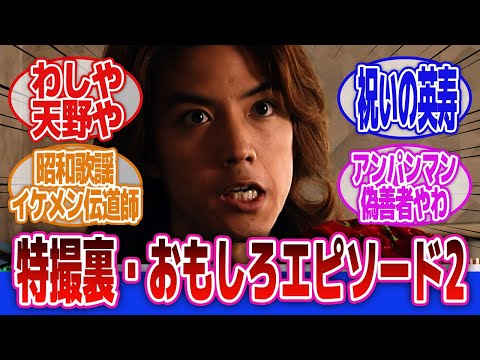
Twenty years after its broadcast, actors Takehiro Handa and Hiroshige Amano reveal untold stories from the production of Kamen Rider 555, offering insights into how the warmth of the filming set translated into the emotional resonance that continues to captivate audiences today. Through analysis of production practices and cast relationships, this retrospective examines how special effects productions reflect the humanity of their creators.
What Happened
In a recent video titled “Special Effects Behind-the-Scenes: Interesting Episodes 2,” actors Takehiro Handa (who played Takehiro Motomoto) and Hiroshige Amano (who played Takumi Inui) shared production anecdotes and behind-the-scenes stories from Kamen Rider 555. The series, which aired from 2003 to 2004, marked a pivotal moment in tokusatsu (special effects) production history. These retrospective accounts, delivered two decades after filming concluded, reveal how cast relationships and production environment dynamics shaped the final work and its lasting impact on viewers.
Why It Matters
Understanding the production environment of beloved special effects works provides crucial context for how creative intent translates to audience experience. The relationship between cast members, crew dynamics, and technical innovation during filming directly influences the emotional authenticity viewers perceive on screen. For tokusatsu enthusiasts and media analysts, these behind-the-scenes accounts serve as historical documentation of how Japanese special effects production evolved during the early 2000s—a critical transition period from analog to digital filmmaking techniques. Moreover, the retrospective perspective offered by cast members two decades later reveals how immediate production concerns eventually crystallize into thematic depth that audiences intuitively recognize.
Background
Kamen Rider 555 (also known as Kamen Rider Faiz) premiered in 2003, following Kamen Rider Kuuga (2000) and Kamen Rider Agito (2001) as the third installment in the Heisei Kamen Rider series. The production occurred during a transformative period in tokusatsu, when the industry simultaneously embraced digital effects while maintaining traditional analog filming techniques. The series is distinguished by its science fiction-oriented worldview and the central relationship between protagonists Takumi Inui and Takehiro Motomoto—a dynamic that proved essential to the narrative structure. The show’s emphasis on trust and human connection between characters reflected broader production values that prioritized cast collaboration and creative synergy.
Key Points
- Kamen Rider 555 was produced during a critical transition period in tokusatsu, balancing emerging digital technology with established analog filming methods
- The on-set relationship between lead actors Hiroshige Amano and Takehiro Handa directly influenced the authenticity of their characters’ trust-based dynamic
- Production crew and cast maintained unusually close working relationships, a characteristic of tokusatsu that distinguishes it from anime voice acting
- Twenty years of temporal distance allows cast members to articulate production insights and thematic intentions that remained intuitive rather than explicit during filming
- Viewer responses across social media demonstrate that audiences unconsciously perceived the genuine relationships between cast members, translating production warmth into emotional resonance
- The production environment—characterized by collaborative problem-solving and mutual respect—became embedded in the final product’s perceived quality and emotional authenticity
Timeline
- 2000: Kamen Rider Kuuga premieres, establishing the Heisei Kamen Rider series with analog-focused production techniques
- 2001: Kamen Rider Agito introduces increasing digital effects integration alongside traditional methods
- 2003–2004: Kamen Rider 555 airs during peak digital transition, requiring production teams to synthesize both technical approaches
- 2015+: Cast and crew retrospectives begin revealing production insights and thematic intentions from the original filming period
- Present: Hiroshige Amano and Takehiro Handa share comprehensive behind-the-scenes accounts, providing two-decade perspective on production dynamics and lasting impact
Perspectives
Production-Centered View: From the crew’s perspective, Kamen Rider 555 represented a challenging but ultimately rewarding period of technical innovation. Balancing new digital capabilities with proven analog methods required creative problem-solving and collaborative decision-making. The physical demands of tokusatsu filming—extended outdoor location shoots and dangerous action sequences—naturally fostered closer relationships between cast and crew compared to anime production environments.
Cast Perspective: For actors like Amano and Handa, the experience transcended typical acting work. They functioned as integral members of the production team, their on-set relationships becoming inseparable from character authenticity. The long-term collaboration required to sustain a tokusatsu series created genuine bonds that manifested in their performances.
Audience Perspective: Viewers intuitively recognized the warmth and authenticity embedded in the production, though they may not have consciously attributed it to cast relationships or crew dynamics. Comments on social media reveal that audiences responded to the trust-based relationship between characters as emotionally genuine, suggesting they perceived the real-world collaboration beneath the fictional narrative.
Historical Analysis: From a media studies perspective, Kamen Rider 555 occupies a unique position in tokusatsu history as a work created during technological transition. The production’s success in maintaining emotional authenticity while navigating technical challenges offers valuable lessons for contemporary special effects production.
Insights
The retrospective accounts from Kamen Rider 555’s cast reveal a fundamental principle applicable across all creative media: production environment quality directly influences final product authenticity. The series endures two decades later not merely because of narrative strength or character design, but because the genuine collaborative warmth of its production became embedded in every frame. When cast members worked in proximity, faced shared technical challenges, and maintained mutual respect, that human authenticity translated into performances that audiences recognized as emotionally genuine.
The temporal distance of twenty years provides crucial perspective. During production, cast and crew focused on immediate concerns—weekly episode completion, technical problem-solving, performance execution. Only in retrospect can they articulate how these daily efforts crystallized into thematic coherence around trust and human connection. This delayed recognition suggests that creative depth often emerges organically from production conditions rather than explicit planning.
For contemporary tokusatsu production, the lesson is clear: investing in positive crew-cast relationships and collaborative problem-solving yields measurable returns in final product quality. The perceived “warmth” audiences respond to is not manufactured through post-production techniques but cultivated through genuine human interaction during filming. As special effects technology continues evolving, this human element remains irreplaceable.
Furthermore, the enthusiastic audience response to these behind-the-scenes accounts demonstrates viewer hunger for understanding the human dimensions of beloved works. The gap between production-era focus (immediate technical and narrative concerns) and retrospective perspective (thematic coherence and emotional authenticity) creates meaningful dialogue between creators and audiences, enriching appreciation for both the original work and the creative process itself.