▶ Watch the original YouTube video
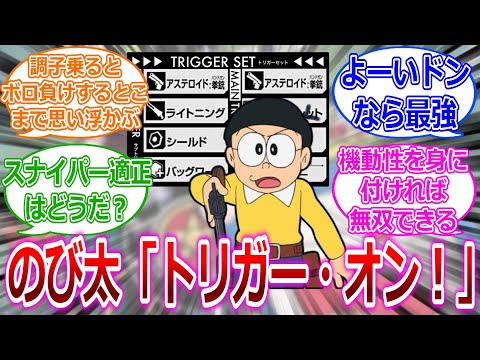
Nobita’s “Trigger On!” Moment Sparks Major Debate Among Doraemon Fans: A 15-Year Analysis
A pivotal moment in the Doraemon franchise has divided the fanbase: Nobita’s declaration of “Trigger On!” represents a fundamental shift in his character from a dependent, indecisive boy to someone who believes in his own strength. This unexpected development has sparked intense discussion across social media, with fans split between celebrating his growth and questioning whether the change feels authentic to his established character.
- What Happened
- Why It Matters
- Background
- Key Points
- Fan Reactions: The Great Divide
- Character Psychology and Narrative Precedent
- Comparative Analysis: Doraemon’s New Direction
- Implications for the Franchise
- Perspectives: Multiple Interpretations
- Insights: What This Moment Reveals
- Related Works Worth Exploring
- Conclusion: A Franchise at an Inflection Point
What Happened
In a recent Doraemon episode, the protagonist Nobita utters the phrase “Trigger On!”—a declaration of determination and self-reliance that marks a dramatic departure from his traditionally passive, dependent personality. For over 50 years, Nobita has been characterized as an indecisive boy who constantly relies on Doraemon’s magical gadgets to solve his problems. This moment signals a potential transformation in his character arc, suggesting he is finally beginning to trust in his own abilities rather than seeking external assistance.
The scene has generated widespread online discussion, with reactions ranging from emotional support for his character development to skepticism about the abruptness of the change. Video platforms and social media have become focal points for fan analysis, with viewers dissecting the psychological implications of Nobita’s newfound determination.
Why It Matters
This moment represents more than a single character moment—it signals a potential structural shift in one of anime’s longest-running franchises. The Doraemon series has historically operated on a formula where Nobita’s weakness drives the narrative: he encounters a problem, seeks Doraemon’s help, and learns a lesson. Nobita’s “Trigger On!” suggests the franchise may be transitioning toward a new paradigm where the protagonist takes active control of his destiny.
For longtime fans and the broader anime community, this development raises fundamental questions about character consistency, narrative evolution, and how established franchises can reinvent themselves while maintaining audience trust. The divided fan response also reflects deeper conversations about what audiences expect from character growth in long-running series.
Background
Doraemon, created by Fujiko F. Fujio, debuted in 1969 and has become one of the most iconic anime and manga franchises globally. The core premise centers on a robotic cat from the future who travels back in time to help Nobita, a struggling fourth-grader, improve his life through futuristic gadgets. Over five decades, the series has maintained consistent characterization: Nobita remains fundamentally flawed, often lazy, academically weak, and socially awkward—qualities that make him relatable to audiences but also define his dependency on external solutions.
The franchise has undergone several adaptations and reboots, most notably the 2005 anime relaunch, which modernized the series while preserving core character dynamics. Throughout these iterations, Nobita’s essential character—the well-meaning but perpetually struggling boy—has remained largely unchanged, making his “Trigger On!” moment particularly significant.
Key Points
- Nobita’s “Trigger On!” declaration represents a fundamental shift from dependency to self-reliance, marking a potential turning point in his character development
- Fan reactions have polarized into two camps: those celebrating his growth as natural character evolution, and those viewing it as inconsistent with his established personality
- The moment reflects broader trends in contemporary anime toward themes of internal growth and self-actualization rather than external problem-solving
- From a character psychology perspective, the change appears rooted in accumulated small moments of courage throughout the series, suggesting gradual rather than abrupt development
- This development may signal structural changes to the Doraemon formula, potentially reducing Nobita’s reliance on Doraemon’s gadgets in future episodes
- The divided fan response indicates high engagement with character consistency and narrative coherence, suggesting a thoughtful, analytical fanbase
Fan Reactions: The Great Divide
Social media platforms reveal a stark division in how audiences have received Nobita’s transformation. Supporters of the moment emphasize character growth, with comments like “Nobita finally believes in himself” and “He’s standing on his own without relying on Doraemon.” These positive reactions frame the moment as a natural evolution, celebrating the protagonist’s maturation.
Conversely, skeptical viewers express concern about character authenticity. Comments such as “This doesn’t feel like Nobita” and “The change feels too sudden” reflect an audience invested in character consistency. These critics worry that abandoning Nobita’s defining weakness undermines the character’s core identity and the fundamental dynamics that have sustained the series for decades.
A third group of responses focuses on narrative structure, with fans requesting deeper context: “What psychological changes led to this moment?” and “We need to see the buildup to understand this shift.” This analytical approach suggests audiences are not merely reacting emotionally but evaluating the logical coherence of character development.
Character Psychology and Narrative Precedent
From a character development perspective, Nobita’s transformation parallels similar pivotal moments in other major anime franchises. In “Attack on Titan,” protagonist Eren Yeager undergoes a comparable awakening, shifting from indecision to fierce determination. Similarly, in “My Hero Academia,” Deku transitions from powerlessness to purposeful action. These precedents suggest that Nobita’s “Trigger On!” follows established narrative patterns of protagonist maturation.
However, the Doraemon case presents unique complexity. Unlike Eren or Deku, whose struggles are externally imposed by catastrophic circumstances, Nobita’s growth appears rooted in internal realization—a shift from self-doubt to self-belief. This distinction suggests the Doraemon franchise may be exploring a more introspective form of character development, emphasizing psychological transformation over external conflict.
Examining past Doraemon episodes reveals scattered moments of courage and determination in Nobita’s character. Instances where he stands up to bullies like Gian and Suneo, or pursues personal goals despite obstacles, suggest his growth has been gradual rather than sudden. From this perspective, “Trigger On!” represents a culmination of accumulated small victories rather than an abrupt personality shift.
Comparative Analysis: Doraemon’s New Direction
| Anime Title | Protagonist | Awakening Expression | Psychological Catalyst |
|---|---|---|---|
| Attack on Titan | Eren | “I will fight” (external determination) | Desperation in crisis situations |
| Doraemon | Nobita | “Trigger On!” (internal determination) | Recognition of personal capability |
| My Hero Academia | Deku | “I will become a hero” (aspirational declaration) | Mentorship and persistent effort |
This comparison reveals an important distinction: while other anime frame protagonist awakenings as responses to external threats or opportunities, Nobita’s “Trigger On!” appears to be fundamentally introspective. It represents a shift from external dependency (relying on Doraemon) to internal confidence (trusting himself). This suggests the Doraemon franchise may be moving toward a more psychologically nuanced narrative structure.
Implications for the Franchise
If Nobita’s declaration signals genuine character transformation, several structural changes to the Doraemon formula appear likely. First, Nobita’s reliance on Doraemon’s gadgets may diminish, requiring the narrative to introduce new sources of conflict and resolution. Second, Nobita’s relationships with other characters—particularly his dynamic with bullies Gian and Suneo—may evolve as he gains confidence. Third, Doraemon’s role itself may shift from “problem-solver” to “mentor,” fundamentally altering the series’ core dynamic.
These changes align with broader trends in contemporary anime toward themes of self-reliance and internal growth. As audiences age and viewing preferences evolve, franchises increasingly explore psychological depth and character agency rather than relying solely on external plot devices.
Perspectives: Multiple Interpretations
The Growth Perspective: Supporters view “Trigger On!” as a natural culmination of Nobita’s character arc. They argue that small moments of courage throughout the series have been building toward this declaration, and that character growth is essential for long-running franchises to remain relevant. This perspective celebrates the moment as emotionally resonant and narratively justified.
The Consistency Perspective: Critics emphasize that Nobita’s defining characteristic—his weakness and dependency—has been central to the series’ identity for 50 years. They argue that abandoning this core trait risks losing what makes the character relatable and unique. This perspective prioritizes character consistency over narrative evolution.
The Analytical Perspective: A third group of fans focuses on narrative structure and psychological plausibility. They neither celebrate nor condemn the moment but instead demand deeper contextual explanation. This perspective treats the series as a complex narrative requiring logical coherence between character motivation and action.
Insights: What This Moment Reveals
Nobita’s “Trigger On!” moment illuminates several important truths about long-running franchises and fan engagement. First, it demonstrates that audiences are not passive consumers but active analysts of narrative structure and character psychology. The diversity of reactions reflects genuine intellectual engagement with storytelling craft.
Second, the moment reveals the inherent tension in maintaining established franchises: the need to evolve while preserving what made the original compelling. Doraemon has thrived for five decades precisely because Nobita’s flawed, relatable character resonated with audiences. Transforming that character requires careful narrative justification to avoid alienating the fanbase.
Third, the divided response suggests that the Doraemon franchise is at a genuine crossroads. The series must decide whether to maintain its traditional formula or embrace a new direction centered on Nobita’s self-actualization. This choice will fundamentally shape the franchise’s future trajectory and appeal to both longtime fans and new audiences.
Finally, the “Trigger On!” moment demonstrates anime’s capacity for meaningful character development. Unlike episodic storytelling that resets characters to their baseline state, this moment suggests the franchise is committed to genuine narrative progression and character growth.
Related Works Worth Exploring
For audiences interested in understanding different approaches to protagonist awakening and character growth, several anime offer valuable comparative perspectives:
Attack on Titan: Explores protagonist awakening through external crisis and existential threat. Eren’s transformation differs fundamentally from Nobita’s in that it emerges from desperate circumstances rather than internal realization.
Neon Genesis Evangelion: Examines protagonist self-doubt and the struggle to believe in one’s own worth. Shinji’s journey parallels Nobita’s internal conflict, though with darker psychological implications.
Puella Magi Madoka Magica: Depicts protagonists transitioning from dependency on external magical systems to reliance on their own agency and moral conviction. This thematic parallel directly mirrors Nobita’s potential shift away from Doraemon’s gadgets.
Conclusion: A Franchise at an Inflection Point
Nobita’s “Trigger On!” declaration represents far more than a single character moment. It signals that the Doraemon franchise is consciously choosing to evolve, to challenge its own foundational assumptions, and to present audiences with a protagonist capable of genuine growth and self-reliance.
Whether this moment proves to be a genuine turning point or a temporary narrative flourish remains to be seen. The franchise’s credibility depends on whether future episodes substantiate this transformation with consistent character development and logical narrative progression. If executed thoughtfully, “Trigger On!” could usher Doraemon into a new creative era. If handled carelessly, it risks alienating audiences invested in the character’s traditional identity.
What is certain is that Nobita’s moment of determination has opened a door to new possibilities for the franchise. The question now is whether the creators will have the courage to walk through it—and whether audiences will follow.