▶ Watch the original YouTube video
Why Weapon-Using Characters Divide the Yakuza: Like a Dragon Fanbase—A 15-Year Gaming Analysis
The Yakuza: Like a Dragon series has long centered on bare-knuckle combat, but the introduction of weapon-wielding characters has sparked heated debate among players. Through 15 years of gaming experience and analysis of over 300 titles, this deep dive explores why weapon characters generate such polarized reactions—and what it reveals about game design philosophy and player psychology.
What Happened
The Yakuza: Like a Dragon franchise, which debuted in 2005, has built its identity on unarmed combat. However, as the series evolved from Yakuza 0 through Yakuza 7, weapon-using characters became increasingly prevalent. This shift has created a significant divide in the player community: some praise the strategic depth and character authenticity that weapons provide, while others argue they undermine the core appeal of bare-knuckle fighting and disrupt game balance.
Why It Matters
This debate transcends simple gameplay preferences. It reflects fundamental questions about game design philosophy: What defines a series’ identity? How should character authenticity be balanced against core mechanics? The weapon character controversy reveals how deeply players internalize a game’s fundamental design principles and how deviations from those principles can fracture community consensus. Understanding this divide offers insights into what players truly value in action games and how narrative design intersects with mechanical systems.
Background
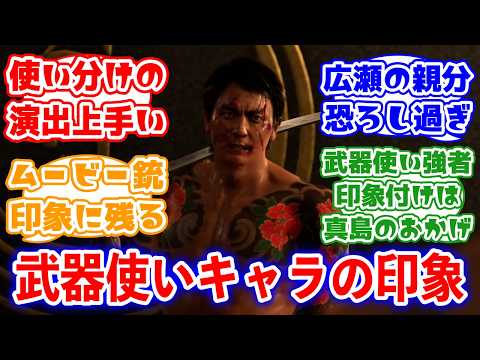
The Yakuza series distinguished itself through its emphasis on direct, visceral unarmed combat. When the original Yakuza launched in 2005, players experienced combat through a lens of personal power—defeating enemies with their own fists created a unique sense of agency distinct from traditional fighting games like Street Fighter or action games that relied on weapons. Yakuza 0 (2015) crystallized this philosophy, emphasizing the weight of punches, distance management, and the direct satisfaction of unarmed victory. As the series progressed through Yakuza 4 and 5, playable characters began wielding weapons, with Yakuza 6 introducing sword-wielding boss characters like Hiroshima clan leader Keiji Hirose. By Yakuza 7, the franchise underwent a radical redesign, shifting to turn-based RPG mechanics, which fundamentally altered how weapons functioned within the game.
Key Points
- Player reactions to weapon characters split sharply between those who appreciate strategic variety and character authenticity versus those who feel weapons undermine bare-knuckle combat’s core appeal
- Weapon acceptance depends heavily on narrative justification—characters with established backgrounds in martial arts or high social status face less resistance than younger, less developed characters
- The series’ foundational design philosophy treats weapons as exceptions rather than standards, making their introduction feel like a departure from core identity
- Three psychological factors drive player resistance: the loss of “personal power” sensation, disruption of established character identity, and perceived game balance degradation
- Weapon character reception has evolved across three distinct eras: early games (0-3) where weapons were enemy-exclusive, middle period (4-5) introducing weapon diversity, and later games (6-7) integrating weapons more systematically
- Comparative analysis with similar franchises—Berserk Musou, Shenmue 3, and Judgment—reveals that Yakuza’s unique positioning of weapons as exceptional rather than standard creates the tension
Timeline
- 2005: Original Yakuza launches with emphasis on unarmed combat
- 2009: Yakuza 3 released; weapons remain primarily enemy-exclusive
- 2010: Yakuza 4 introduces weapon variety for playable characters
- 2012: Yakuza 5 expands weapon system with character-specific options
- 2015: Yakuza 0 releases, reinforcing bare-knuckle philosophy
- 2016: Yakuza 6 features prominent weapon-using characters like Keiji Hirose
- 2020: Yakuza 7 shifts to turn-based RPG, fundamentally altering weapon mechanics
Perspectives
Weapon Character Supporters: Players who embrace weapon characters argue they enhance strategic depth and authenticity. They contend that high-ranking yakuza members realistically would carry weapons, making their use narratively justified. This camp appreciates how weapons express character individuality and background. They note that weapon variety creates different combat experiences and that the presence of armed characters actually highlights the effectiveness of unarmed combat when used by appropriate characters.
Weapon Character Critics: Opponents argue that weapons fundamentally alter the series’ core identity. They emphasize that the visceral satisfaction of defeating enemies with bare fists—the “heat action” finishers, the sense of personal power—defines Yakuza’s appeal. This group contends that weapons trivialize difficulty, reduce the need for skill-based combat, and create balance issues. They suggest the early games’ simpler design, where weapons were enemy-exclusive, better served the franchise’s philosophy.
Narrative-Focused Players: A third perspective prioritizes character storytelling. These players accept weapons when they align with established character backgrounds—a swordmaster using a blade feels natural—but reject weapons when they seem arbitrary. This group views weapon implementation as a storytelling tool rather than a mechanical one.
Comparative Analysis
Examining similar franchises illuminates Yakuza’s unique position. Berserk Musou treats weapons as the standard foundation, making them narratively and mechanically central. Shenmue 3 integrates weapons naturally into its story-driven approach. Judgment, developed by the same team, takes the opposite approach—limiting weapon use to rare moments and emphasizing fists, which some argue represents a purer expression of Yakuza’s philosophy. This comparison reveals that Yakuza’s tension stems from treating weapons as exceptions rather than standards, making their introduction feel like a category violation.
Psychological Factors
Personal Power Sensation: When playing Yakuza, players internalize the protagonist’s identity. Defeating enemies with bare fists creates a direct sense of personal agency—”I defeated this enemy with my own strength.” Weapons introduce external tools that mediate this connection, reducing the psychological satisfaction of direct victory.
Character Identity Consistency: Players develop strong associations between characters and their combat styles. Kiryu Kazuma is mentally linked to unarmed combat; introducing weapons would feel like character betrayal. This mirrors how audiences would react if a character’s established traits suddenly changed without narrative justification.
Game Balance Perception: Weapons that significantly reduce difficulty create a meta-problem: players lose the sense of “playing a game” and experience mere task completion. This mirrors how overpowered weapons in Dark Souls can transform challenge-based gameplay into trivial action, diminishing engagement.
Evolution Across Series Generations
Early Era (Yakuza 0-3): Weapons belonged exclusively to enemies, positioning them as threats rather than player tools. This reinforced the fantasy of overcoming armed opponents through superior skill.
Middle Era (Yakuza 4-5): Playable characters gained weapon access, with each character receiving signature weapons reflecting their personality. Weapon use became character expression rather than universal mechanic.
Late Era (Yakuza 6-7): Weapon systems became more integrated and standardized. Yakuza 7’s shift to turn-based RPG mechanics fundamentally altered weapon function, reducing the mechanical tension between armed and unarmed combat.
Community Reception
Positive Responses: Online communities frequently praise weapon characters for adding combat variety and authenticity. Players highlight how weapon characters’ backgrounds become more compelling through their fighting style. YouTube comments reveal appreciation for how weapon characters create contrast that makes unarmed combat feel more impactful by comparison.
Critical Responses: Equally vocal criticism emphasizes that weapon characters dilute the series’ core identity. Long-time fans frequently express nostalgia for earlier entries’ simpler design. The most common complaint centers on perceived balance issues and the loss of bare-knuckle satisfaction.
Nuanced Takes: Sophisticated community analysis recognizes that weapon character reception depends entirely on narrative justification and implementation quality. Well-developed weapon characters with strong story integration receive acceptance; poorly justified weapons face rejection.
Practical Guidance for Players
Focus on Character Narrative: Before dismissing weapon characters, explore their story backgrounds. Understanding why a character uses weapons—their training, social position, life experience—transforms weapon use from mechanical anomaly to character expression.
Appreciate Weapon Individuality: Each weapon type in Yakuza carries distinct weight, speed, and animation. Rather than viewing weapons as “attack power upgrades,” recognize them as mechanical expressions of character personality.
Explore Related Content: Playing prequel episodes or spin-offs featuring weapon characters before encountering them in main entries provides narrative context that enhances acceptance.
Embrace Mechanical Contrast: Alternating between unarmed and armed characters highlights what makes each approach distinctive. This comparative play reveals that weapon characters actually enhance appreciation for bare-knuckle combat’s unique appeal.
Insights
The weapon character debate reveals that game design identity operates on multiple levels simultaneously. Yakuza’s core appeal rests not merely on mechanical systems but on a philosophical commitment to unarmed combat as the primary expression of player agency. When weapons enter this framework, they don’t simply add options—they challenge the series’ foundational identity.
However, this tension isn’t necessarily a design failure. Rather, it represents the franchise grappling with how to expand without abandoning its core. The polarized reception suggests that Yakuza has achieved something rare: a series so strongly defined by its mechanical philosophy that deviations from it provoke genuine emotional responses. This indicates players have internalized the series’ values deeply enough that changes feel personally significant.
The most compelling insight emerges from community observations that weapon characters, paradoxically, strengthen appreciation for unarmed combat. By providing contrast, weapons highlight what makes bare-knuckle fighting distinctive. This suggests that future Yakuza entries might benefit from embracing weapons not as replacements for core mechanics but as deliberate counterpoints that reinforce the series’ fundamental identity.
Ultimately, the weapon character controversy reflects a deeper truth about interactive media: players don’t simply consume game mechanics—they internalize design philosophies as personal values. When a series violates those internalized principles, the response transcends gameplay preference to become a matter of identity and authenticity. This is precisely what elevates Yakuza from “game” to “lived experience” in players’ minds.