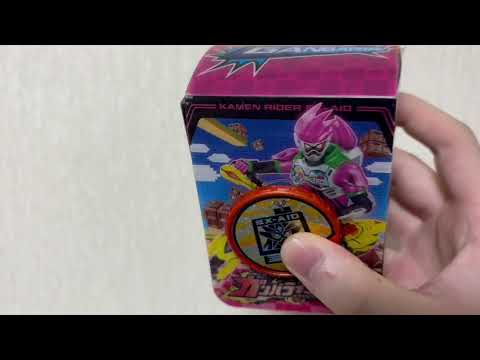
▶ Watch the original YouTube video
Kamen Rider Ex-Aid’s 10th Anniversary: How Fan Reactions Evolve Over Time
As Kamen Rider Ex-Aid marks its 10th anniversary in January 2026, fan communities worldwide are experiencing a profound shift in how they perceive the milestone. This analysis explores the psychological mechanisms behind changing fan reactions and what they reveal about the maturity of fan culture in the tokusatsu community.
What Happened
Kamen Rider Ex-Aid, which concluded its broadcast run in 2016, has reached its 10th anniversary milestone in January 2026. The anniversary has triggered notably different reactions from fan communities depending on timing—with December 31st responses differing significantly from January 1st reactions. The December response pattern reflected confusion and hesitation (“wait, wait”), while January responses shifted to reflective sentiment (“how fast time flies”). These variations reveal deeper psychological processes within fan communities as they process major milestones.
Why It Matters
The Ex-Aid 10th anniversary demonstrates how fan communities process time and nostalgia in the digital age. Unlike previous generations, modern fans use social media to collectively experience and document these moments, creating a real-time record of emotional responses. Understanding these patterns provides insight into fan psychology, community maturity, and how popular media continues to resonate years after broadcast. For the tokusatsu industry, these reactions indicate the lasting cultural impact of Ex-Aid and inform how future anniversaries might be approached.
Background
Kamen Rider Ex-Aid premiered in January 2016, introducing a groundbreaking premise: a young gamer protagonist and the fusion of game worlds with reality. The series ran for 45 episodes and concluded in March 2016, followed by theatrical releases including “Ex-Aid True Ending” and appearances in “Kamen Rider Heisei Generations Forever.” The show’s innovative use of gaming as a central theme distinguished it within the tokusatsu genre and earned sustained appreciation from audiences over the past decade. For many fans who discovered the series as teenagers or young adults in 2016, the 10th anniversary coincides with significant personal life transitions—many have now entered their 30s or completed major life milestones.
Key Points
- Temporal Reaction Shift: Fan responses changed measurably between December 31st (confusion/hesitation) and January 1st (reflective sentiment), indicating a psychological transition period rather than instant recognition.
- Dual Time Awareness: The “how fast” sentiment reflects fans recognizing both the passage of time for the series and their own personal growth over the same decade.
- Community Maturity: Unlike earlier tokusatsu anniversaries, Ex-Aid’s 10th anniversary shows unified, predominantly positive reactions with constructive critical discourse rather than divisive debates.
- SNS-Driven Commemoration: Fan communities are actively shaping the anniversary narrative through hashtags and social media campaigns, moving beyond passive consumption of official content.
- Comparative Pattern: Ex-Aid’s anniversary reactions differ notably from other tokusatsu series (Kamen Rider Decade, Kamen Rider OOO), showing distinct community characteristics and emotional frameworks.
- Psychological Cycles: Fan responses follow predictable phases: preparation (late December), realization (early January), reminiscence (mid-January through February), and integration (February onward).
Timeline
- January 2016: Kamen Rider Ex-Aid premieres; initial audiences experience the innovative game-world fusion concept.
- March 2016: Series concludes after 45 episodes.
- 2016-2026: Decade of fan community development, theatrical releases, and sustained cultural presence.
- December 31, 2025: Pre-anniversary period; fan reactions show hesitation and lack of psychological readiness (“wait, wait” sentiment).
- January 1, 2026: Anniversary officially begins; psychological shift occurs, triggering reflective responses about time passage.
- January 2026 onward: Sustained anniversary engagement with hashtag campaigns, content sharing, and community discussions.
Perspectives
The Reflective Fan Perspective: For viewers who discovered Ex-Aid in 2016 as teenagers or young adults, the 10th anniversary represents a mirror reflecting their own life progression. The “how fast” sentiment encapsulates recognition that a decade has passed not just for a television series, but for their own personal development. Many fans have completed university education, entered careers, or experienced other major life transitions during this period. This creates a layered emotional response where nostalgia for the series intertwines with reflection on personal growth.
The Community Maturity Perspective: Compared to earlier tokusatsu anniversaries, Ex-Aid’s 10th anniversary demonstrates evolved fan discourse. Rather than reigniting divisive debates about series quality (as occurred with Kamen Rider Decade’s 10th anniversary in 2019), the Ex-Aid community maintains relatively unified appreciation while still engaging in substantive critical analysis. This suggests the passage of time has allowed for more balanced perspective and reduced defensive positioning.
The Industry Perspective: The anniversary reveals Ex-Aid’s sustained cultural relevance and the gaming-themed tokusatsu approach’s enduring appeal. However, the observation that subsequent Kamen Rider series have not extensively adopted the gaming theme raises questions about whether the industry fully capitalized on Ex-Aid’s innovative framework. The strong fan response suggests untapped potential for future gaming-themed tokusatsu content.
Insights
The Ex-Aid 10th anniversary phenomenon reveals several important truths about contemporary fan culture. First, the psychological processing of anniversaries follows predictable cycles, with a crucial transition point between anticipation and realization. The December 31st to January 1st shift was not merely a calendar change but represented fans moving from intellectual awareness to emotional processing of the milestone.
Second, this anniversary demonstrates that fan communities have matured significantly. The ability to simultaneously hold nostalgia, critical appreciation, and personal reflection—while maintaining community cohesion—indicates sophisticated emotional and social development within tokusatsu fandom. The presence of constructive disagreement rather than divisive conflict suggests fans have developed frameworks for valuing different perspectives.
Third, the anniversary highlights the intersection between personal and collective time. For individual fans, 10 years represents a substantial portion of their lives, often encompassing major transitions. For the fan community collectively, it represents a shared historical moment that bonds members through common experience. This dual temporality—personal and collective—creates the distinctive emotional resonance of milestone anniversaries.
Finally, the Ex-Aid anniversary suggests that tokusatsu series with innovative conceptual frameworks (like the game-world fusion premise) develop more resilient fan communities and more positive long-term reception than series perceived as derivative or problematic. This has implications for how the industry approaches future series development and how fan communities evaluate and remember tokusatsu works over extended periods.
Recommendations for Experiencing Ex-Aid’s 10th Anniversary
For New Viewers: Begin with Episode 1 and watch sequentially. The series’ primary strength lies in how the game-world fusion concept deepens and evolves throughout the narrative. The initial premise’s freshness remains compelling even after a decade.
For Returning Viewers: Revisit Episodes 20-45, the “Game Disease” arc. This section represents the series’ thematic peak and demonstrates the depth that may not have been fully appreciated during initial viewing. The structural elegance of how the early setup pays off in the later arc becomes more apparent with time and distance.
For Complete Experience: Supplement the main series with “Ex-Aid True Ending” and “Kamen Rider Heisei Generations Forever.” These works provide essential context and demonstrate how Ex-Aid’s themes extend beyond the main series. “FOREVER” particularly clarifies Ex-Aid’s unique position within the broader Kamen Rider universe.
For Community Engagement: Participate in anniversary discussions on social media platforms. Sharing personal memories and connecting with other fans enriches the anniversary experience and contributes to the collective commemoration of this milestone.
Community Response Analysis
Social media data reveals consistent patterns in how fans are commemorating the anniversary. On Twitter/X, the #ExAid10thAnniversary hashtag dominates with predominantly nostalgic and reflective posts. Notably, many posts reference specific episodes or character moments, indicating that nostalgia has evolved into concrete memory-sharing rather than vague sentimentality.
YouTube comments show more diverse perspectives, including critical voices questioning whether Ex-Aid is overrated or whether later episodes represent unnecessary expansion. Significantly, these critical comments receive thoughtful responses from other community members, demonstrating mature discourse patterns. Rather than dismissing criticism, fans engage in substantive explanation of why they value the series, suggesting the community has developed sophisticated frameworks for discussing the work.
This response pattern indicates Ex-Aid functions as an active subject of ongoing cultural discussion rather than a static artifact of nostalgia. The willingness to engage with criticism while maintaining appreciation suggests the series has achieved a level of cultural legitimacy that transcends initial reception debates.
Conclusion: The Meaning of 10 Years
The Kamen Rider Ex-Aid 10th anniversary represents more than a calendar milestone. It marks a moment when fan communities collectively recognize that a decade has passed—not just for a television series, but for their own lives. The shift from December hesitation to January reflection captures this profound realization.
For those who discovered Ex-Aid in 2016, the anniversary serves as a mirror reflecting personal growth and life transitions. For the tokusatsu community broadly, it demonstrates the enduring appeal of innovative conceptual frameworks and the maturity that fan communities develop over time.
Looking forward, the Ex-Aid anniversary raises important questions about the series’ legacy. The innovative game-world fusion concept remains underexplored in subsequent tokusatsu works, suggesting potential for future development. Whether through direct sequels, spin-offs, or thematic continuation in other series, the Ex-Aid universe appears to contain untapped narrative potential.
Ultimately, the 10th anniversary phenomenon reveals that fan culture has evolved into something more sophisticated than simple nostalgia. It has become a framework through which fans process time, recognize personal growth, and maintain meaningful connections with communities of shared interest. In this sense, the “how fast” sentiment expressed by Ex-Aid fans represents not just recognition of time’s passage, but acknowledgment of the profound ways that popular media shapes and accompanies our lives across decades.