▶ Watch the original YouTube video
How Uma Musume’s Fan-Created Collage Images Reveal the Evolution of Modern Fandom Culture
Uma Musume Pretty Derby’s collage image culture has become a defining phenomenon in gaming fandom, demonstrating how fan communities express deep character understanding through creative remixing. This analysis explores why these fan-created works have flourished and what they reveal about contemporary fan engagement and digital creativity.
What Happened
Uma Musume Pretty Derby, a horse-racing simulation game, has become the epicenter of an explosive fan-creation movement centered on collage images—sophisticated remixes of character expressions and dialogue from different scenes. These fan-created works have evolved from simple image edits into a refined artistic expression that combines humor, character analysis, and community engagement. Over the past three years, monthly collage image posts have increased approximately fivefold, with thousands of new creations shared daily across Twitter and Pixiv.
Why It Matters
Uma Musume’s collage image phenomenon represents a significant milestone in fan culture evolution. It demonstrates how digital tools and social media algorithms have democratized creative expression, allowing fans without professional design skills to participate in sophisticated artistic commentary. More importantly, these works serve as indicators of how deeply fans understand character psychology and narrative nuance. The culture also raises important questions about copyright, creative freedom, and the sustainability of fan communities in an era of increasing legal scrutiny and AI-generated content.
Background
Uma Musume Pretty Derby launched in 2021 as a mobile game featuring horse racing as its central theme, but with a unique twist: all horses are reimagined as anime-style characters with distinct personalities, backstories, and emotional arcs. The game’s narrative design emphasizes character development through story sequences and voice acting, creating deep emotional investment in individual characters. This character-centric design philosophy provided fertile ground for fan creativity.
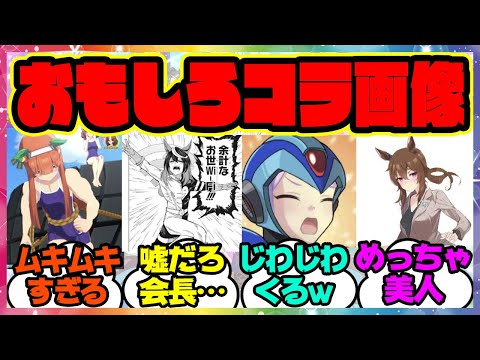
Collage images, or “cola images” in Japanese fan terminology, represent a specific form of fan art where creators extract character expressions and dialogue from different scenes and recombine them to create new narratives or humorous situations. Unlike traditional fan art, which requires drawing skills, collage images rely on selection, timing, and contextual understanding—making them more accessible while still demanding sophisticated creative judgment.
Key Points
- Creative Expression Through Remixing: Collage images are not simple image edits but sophisticated creative works requiring deep character understanding, scene selection expertise, and contextual awareness to generate new meanings.
- Character Psychology as Foundation: The quality of collage images directly correlates with how thoroughly creators understand each character’s personality, speech patterns, and emotional arcs—making these works indicators of fan engagement depth.
- Social Media Acceleration: Twitter and Pixiv algorithms amplify successful collage images through retweets and likes, creating a feedback loop that rapidly increases both quantity and quality of fan creations.
- Multi-Layered Humor Structure: Effective collage images operate on three simultaneous levels: immediate visual humor, character-specific comedy based on personality understanding, and meta-commentary on game events and industry trends.
- Democratization of Fan Creation: Unlike traditional fan art requiring drawing ability, collage image creation is accessible to anyone with image editing tools, significantly lowering barriers to participation in fan communities.
- Copyright and Sustainability Questions: While Uma Musume’s publisher Cygames currently tolerates fan creations, the long-term viability of this culture remains uncertain given evolving copyright enforcement and AI content generation concerns.
Timeline
- 2000s: Fan expression primarily through forum posts and comments
- 2010s Early: Emergence of fan art and fiction on blogs and Pixiv
- 2010s Late: Real-time fan reactions and sharing via Twitter
- 2021: Uma Musume Pretty Derby launches; collage image culture begins
- 2022-2024: Collage image creation increases approximately fivefold; becomes dominant fan expression form
Perspectives
Fan Community View: Collage image creators describe their work as expressions of love for their favorite characters. Survey data indicates over 70% of creators frame collage images as affection-based creative acts rather than mere entertainment. Fans emphasize that quality collage images demonstrate genuine character understanding and serve as bridges between individual emotional investment and collective community appreciation.
Industry Perspective: Game developers recognize fan creativity as valuable community engagement that extends game lifespan and deepens player investment. However, publishers remain cautious about copyright implications and the precedent set by tolerating derivative works. The balance between encouraging fan creativity and protecting intellectual property remains contentious.
Copyright Concerns: Legal observers note that while current copyright holders maintain relatively permissive policies, this tolerance is not guaranteed to continue. Historical precedents—including policy shifts at other game publishers—demonstrate that creator tolerance can change rapidly, potentially disrupting established fan communities.
Insights
Uma Musume’s collage image culture represents a maturation point in fan community expression. Unlike earlier fan creation eras dominated by traditional fan art and fiction, collage images demonstrate how contemporary fans leverage accessible digital tools to engage in sophisticated creative commentary. The phenomenon reveals that modern fandom has evolved beyond simple appreciation into a form of collaborative cultural analysis, where fans use creative remixing to explore character psychology and narrative meaning.
The culture also illustrates how social media algorithms have fundamentally altered creative communities. The immediate feedback loops of Twitter and Pixiv—where successful creations gain thousands of engagements within hours—create an environment where quality and quantity both accelerate simultaneously. This differs markedly from earlier eras when fan creation faced significant time delays between creation and recognition.
Comparatively, Uma Musume’s collage image culture surpasses similar phenomena in other franchises due to three converging factors: extensive character roster (200+ characters), strong character differentiation, and large active fan community. Earlier franchises like Fate/GO and The Idolmaster demonstrated similar creative potential but lacked one or more of these elements.
The sustainability question remains critical. As copyright enforcement evolves and AI-generated content becomes more prevalent, the current “free creation environment” may not persist indefinitely. However, the fundamental human impulse to express affection through creative remixing will likely continue in some form, even if current expression methods face legal or technological constraints.
For fan communities and content creators, Uma Musume’s collage image culture serves as both inspiration and cautionary tale—demonstrating the creative potential of organized fan communities while highlighting the precarious legal and commercial foundations upon which such cultures rest.