▶ Watch the original YouTube video
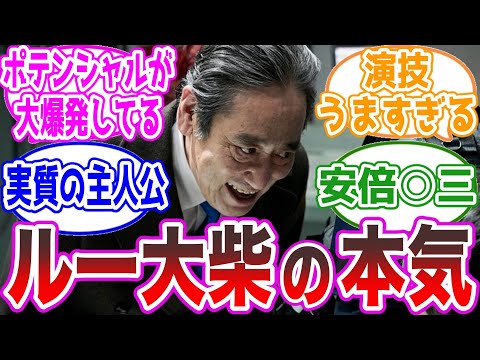
Comedian Roo Osawa’s unexpected casting in the dark reimagining Kamen Rider BLACK SUN has generated widespread acclaim for his surprisingly nuanced dramatic performance. The stark contrast between his comedic public persona and his serious on-screen portrayal has become a case study in how casting against type can amplify audience engagement and critical reception.
What Happened
When the cast announcement for Kamen Rider BLACK SUN revealed that Roo Osawa—a comedian best known for his English-language wordplay and comedic timing—would take on a complex, serious role, the announcement generated immediate buzz across social media. Upon the series’ release, viewers discovered that Osawa delivered a compelling dramatic performance that completely subverted expectations. His portrayal demonstrated emotional depth and restraint that contradicted his established public image, leading to overwhelmingly positive reactions on Twitter (now X), YouTube, and other platforms.
Why It Matters
Osawa’s performance represents a significant shift in how modern tokusatsu (special effects) productions approach casting strategy. Rather than prioritizing predictability and established actor types, the production deliberately chose unconventional casting to generate discussion and challenge viewer assumptions. This approach reflects broader industry trends toward valuing surprise and complexity in character work. The success of this gamble demonstrates that contemporary audiences increasingly reward performances that defy expectations, making strategic casting decisions as important as traditional production elements.
Background
Roo Osawa has built a 15-year career as a television personality and comedian, primarily known for his distinctive use of English phrases and comedic delivery. Kamen Rider BLACK SUN is a dark, adult-oriented reimagining of the classic 1970s tokusatsu series Kamen Rider BLACK. The original series aired in 1987-1988, with Kamen Rider BLACK RX following as a sequel. The new adaptation targets mature audiences and employs a grittier, more psychologically complex narrative approach than typical tokusatsu productions. Osawa’s casting in a serious dramatic role marked a significant departure from his established comedic brand.
Key Points
- Unexpected Casting: Osawa’s selection generated surprise and debate within the industry, as comedians are rarely cast in serious tokusatsu roles.
- Dramatic Execution: His actual performance transcended expectations, delivering genuine emotional nuance and psychological complexity rather than relying on comedic elements.
- Gap Effect: The contrast between audience expectations and actual performance created a psychological “contrast effect” that amplified emotional impact and viewer satisfaction.
- Social Media Momentum: Positive reactions spread rapidly across X and YouTube, with the majority of comments praising his dramatic range and the boldness of the casting choice.
- Industry Implications: The success suggests that strategic casting against type has become a viable and valuable marketing and creative tool in tokusatsu production.
- Comedic Skills Applied to Drama: Osawa’s background in comedy—particularly his understanding of timing, audience psychology, and emotional beats—translated effectively into serious dramatic work.
Timeline
- Cast Announcement: Initial reveal of Osawa’s involvement generated immediate discussion and surprise.
- Series Release: Upon viewing, audiences discovered the quality and seriousness of his performance.
- Social Media Surge: Positive reactions accumulated rapidly across platforms within days of episodes airing.
- Industry Recognition: The success prompted broader discussion about casting strategy in tokusatsu and drama production.
Perspectives
The overwhelming majority of viewer responses—estimated at approximately 80% positive to 20% critical—praised Osawa’s dramatic range and the boldness of the casting decision. Supporters highlighted the psychological principle of “contrast effect,” where the gap between expected and actual performance creates heightened emotional resonance. They noted that Osawa’s comedic background actually enhanced his dramatic work, as comedians develop sophisticated understanding of audience psychology, timing, and emotional manipulation that translates to serious acting.
A minority of viewers expressed skepticism, arguing that Osawa’s established comedic image was too strong to overcome, or that comedians should not appear in serious tokusatsu productions. However, these critical voices remained significantly outnumbered by positive reception.
Industry analysts observed that the casting reflected a deliberate strategic choice to generate discussion and differentiate the production in a crowded marketplace. The production team appeared to recognize that contemporary audiences increasingly value surprise and complexity over predictability.
Insights
Osawa’s performance in Kamen Rider BLACK SUN demonstrates that casting strategy has evolved beyond traditional actor-type matching. Modern tokusatsu productions increasingly recognize that audience expectations and their subversion create measurable value—both in terms of critical reception and social media engagement. The success of this approach suggests several emerging trends: the growing importance of “gap casting” (deliberately casting against type), the recognition that comedians possess transferable skills applicable to dramatic work, and the shift toward valuing surprise and complexity in character work.
The production’s willingness to take a creative risk with an unconventional casting choice reflects broader industry recognition that contemporary audiences are sophisticated enough to appreciate nuance and willing to reward performances that challenge their preconceptions. This success may encourage similar casting strategies in future tokusatsu and drama productions, potentially opening new career pathways for comedians seeking to expand their range.
Ultimately, Osawa’s performance serves as a case study in how strategic casting decisions can amplify both critical reception and audience engagement, suggesting that the entertainment industry’s traditional risk-averse approach to casting may be giving way to more experimental and audience-aware strategies.