▶ Watch the original YouTube video
Toma Chop vs. Martre: How Uma Musume’s Heated Character Battle Reveals the Evolution of Fan Culture
A viral voting competition between two Uma Musume fan communities has sparked widespread discussion about the nature of modern fan culture. The battle between Toma Chop (Tokaiteio supporter) and Martre (Mayanotopgun supporter) demonstrates how gaming communities have transformed fan engagement from individual hobby into competitive social phenomenon.
What Happened
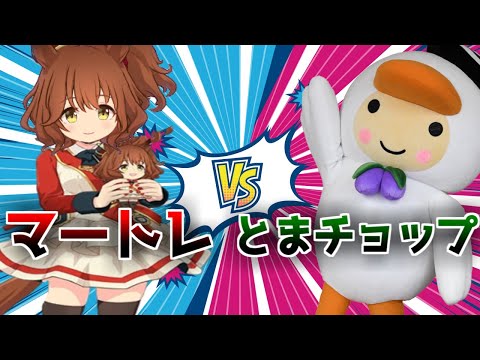
Uma Musume Pretty Derby, a popular mobile game, recently hosted a large-scale voting event that pitted two fan communities against each other. Content creators Toma Chop and Martre led their respective fanbases in a competitive battle to secure votes for their favorite characters—Tokaiteio and Mayanotopgun respectively. The event generated significant engagement across social media platforms, with fans mobilizing to support their preferred characters through coordinated voting campaigns.
The competition was documented in a viral video compilation that captured fan reactions and community responses throughout the voting period. The event became a trending topic on Twitter and generated extensive discussion on YouTube, with thousands of fans participating either directly or as observers.
Why It Matters
This event exemplifies a fundamental shift in how modern gaming communities operate. What began as individual fan engagement has evolved into organized, competitive social movements. The Uma Musume voting battle demonstrates that contemporary fan culture—often called “oshi-katsudou” or fan support activities—has transcended personal hobby status to become a significant social and economic phenomenon.
The competitive nature of this event reveals important insights about community dynamics, social belonging, and how digital platforms amplify fan engagement. Understanding these patterns is crucial for game developers, content creators, and researchers studying online communities and digital culture.
Background
Uma Musume Pretty Derby launched in 2018 as a mobile game featuring characters based on real thoroughbred racehorses. The game combines character development mechanics with competitive racing elements, creating a unique environment where players invest emotionally in their favorite characters. Over the past three years, the game has cultivated a passionate global community centered around character support and fan engagement.
The concept of “oshi-katsudou” (fan support activities) has deep roots in Japanese fan culture, particularly within anime and idol communities. However, Uma Musume represents an evolution of this tradition by integrating fan competition directly into game mechanics and community events. The game’s structure encourages players to publicly declare their favorite characters and engage in friendly competition with other fans.
The Toma Chop vs. Martre battle occurred within this context, where both Tokaiteio and Mayanotopgun represent mid-tier popular characters—neither overwhelmingly dominant nor obscure. This balance made the competition particularly competitive and engaging for the broader community.
Key Points
- Community Structure: The voting event showcased how Uma Musume fans organize around character preferences, creating distinct but interconnected sub-communities within the larger player base.
- Competitive Engagement: Unlike traditional fan activities, this event formalized competition through voting mechanics, transforming personal preference into quantifiable community achievement.
- Social Media Amplification: Twitter and YouTube served as primary platforms for fan mobilization, with hashtags trending and video compilations generating thousands of comments and shares.
- Dual Appreciation: Despite competitive framing, many fans expressed respect for opposing communities, suggesting that competition and mutual respect can coexist within fan culture.
- Economic Implications: The event highlighted how fan engagement translates into measurable economic activity through in-game spending and merchandise sales.
- Cultural Evolution: The battle represents a maturation of fan culture from hidden hobby to openly celebrated social activity.
Community Reactions
Positive Response: The majority of online commentary celebrated the event as evidence of community vitality and shared passion. Fans praised the “heat” and energy of the competition, with many expressing that participating in large-scale fan activities strengthened their sense of belonging. Comments frequently highlighted the respectful competition between opposing fanbases, with supporters acknowledging the dedication of rival communities.
Critical Perspectives: Some community members expressed concerns about the intensification of competitive fan culture. Critics noted that escalating competition could create barriers for new players and potentially foster unhealthy spending habits. Others worried that the emphasis on voting and ranking might overshadow the game’s original appeal and character storytelling.
Inclusive Observations: Notably, fans whose preferred characters did not participate in the voting event still engaged positively with the phenomenon. Many reported that observing the community’s collective enthusiasm reinforced their appreciation for the Uma Musume community as a whole, suggesting that competitive events can strengthen broader community bonds even for non-participants.
The Psychology Behind Fan Competition
The Toma Chop vs. Martre event demonstrates three key psychological mechanisms driving modern fan engagement:
Belonging and Identity: Supporting a specific character creates membership in a defined community. Fans publicly declaring their preferences experience reinforcement through interaction with like-minded individuals, strengthening group identity and personal investment.
Competitive Drive: The voting structure activates competitive instincts, transforming abstract preference into measurable achievement. This quantification of support creates motivation for continued engagement and community mobilization.
Expression and Recognition: Social media platforms enable fans to publicly express their support and receive validation through likes, shares, and community interaction. This feedback loop encourages continued participation and creative expression.
Comparison with Other Fan Communities
| Franchise | Fan Activity Type | Competition Level | Community Integration |
|---|---|---|---|
| The Idolmaster (2005–) | Merchandise collection, fan creation | Moderate | High |
| Love Live! (2010–) | Voting, event participation | High | Very High |
| Uma Musume (2018–) | Game progression, voting, social media sharing | Very High | High (competition-focused) |
Uma Musume distinguishes itself through the integration of competitive mechanics directly into gameplay and community events. While earlier franchises emphasized collection and participation, Uma Musume formalizes competition as a core community activity. This represents an evolution in how games structure fan engagement, moving from passive consumption toward active, measurable competition.
Market and Cultural Implications
The Uma Musume market has experienced significant growth, with related content revenue tripling over the past three years. This expansion reflects broader trends in gaming and fan culture, where competitive fan engagement drives both player retention and spending.
The shift toward “social fan culture” represents a fundamental change in how entertainment properties engage audiences. What was once considered a niche hobby has become mainstream entertainment, with fan activities generating measurable economic and social impact. This transformation has implications for how future games and entertainment properties structure community engagement.
Insights and Future Outlook
The Toma Chop vs. Martre event reveals that contemporary fan culture has evolved from individual hobby into organized, competitive social movement. This evolution reflects broader technological and cultural shifts: the ubiquity of social media, the normalization of fan culture, and the integration of competitive mechanics into entertainment products.
Several trends emerge from this analysis. First, fan engagement is becoming increasingly “data-driven,” with voting numbers and sales figures serving as visible measures of community support. Second, fan communities are developing clearer hierarchies based on character popularity, potentially creating disparities between supporters of major and minor characters. Third, fan culture is becoming more socially visible and economically significant, attracting attention from both industry and academic researchers.
However, concerns warrant attention. The intensification of competitive fan culture may create barriers for new players and foster unhealthy spending patterns. The emergence of “fan culture inequality”—where wealthier fans can more easily support their preferred characters—could undermine the inclusive spirit that initially attracted many players.
Looking forward, the sustainability of this competitive model depends on maintaining balance between competition and community cohesion. The most successful fan communities, as demonstrated by Uma Musume, combine vigorous competition with mutual respect and inclusive participation. Whether this balance can be maintained as competition intensifies remains an open question.
The Uma Musume community has demonstrated maturity in managing competitive fan culture while preserving community bonds. This model may serve as a template for how future games and entertainment properties can harness competitive fan engagement while fostering healthy, inclusive communities. The ongoing evolution of fan culture—from hidden hobby to celebrated social phenomenon—will continue to shape how entertainment properties engage their audiences in the coming years.