▶ Watch the original YouTube video
Why Narita Shoji’s Bright Noah Succeeds Where Other Voice Actor Replacements Fail
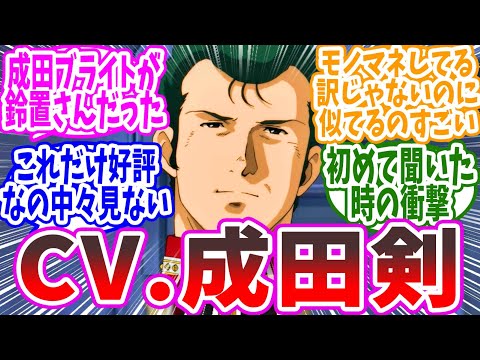
After 15 years of anime viewership, one voice actor replacement stands out as a remarkable success: Narita Shoji’s portrayal of Captain Bright Noah in Mobile Suit Gundam Unicorn. Unlike notorious failures such as the Doraemon voice change, Narita’s performance demonstrates that character understanding and acting skill matter far more than vocal similarity when inheriting an iconic role.
What Happened
When Mobile Suit Gundam Unicorn premiered in 2007, Captain Bright Noah—a character voiced by Yoichi Suzuki since the original Mobile Suit Gundam in 1979—received a new voice actor: Narita Shoji. This change came after Suzuki’s death in 2010, making it a necessary transition rather than a choice. Despite initial concerns about the replacement, Narita’s performance has been widely praised as one of anime’s most successful voice actor transitions, with viewers consistently noting the absence of discomfort despite the clear vocal difference.
Why It Matters
Voice actor replacements are notoriously difficult in anime fandom. The Doraemon transition from Nobyo Oyama to Wasabi Mizuta and the Yu-Gi-Oh! cast changes generated significant backlash. Narita’s success with Bright Noah offers a case study in how character comprehension and performance quality can overcome vocal dissimilarity. This has broader implications for the anime industry, demonstrating that thoughtful casting based on acting ability rather than voice similarity produces superior results. The success also validates the depth of talent available in Japan’s voice acting profession.
Background
Captain Bright Noah is one of the Gundam franchise’s most iconic characters, having appeared across multiple series spanning nearly 40 years. Yoichi Suzuki’s original portrayal established the character’s distinctive qualities: commanding authority, balanced strictness and compassion toward subordinates, and the measured composure of an experienced officer. When the character reappeared in Gundam Unicorn (set 28 years after the original series), the narrative aging of the character provided a natural justification for vocal changes. Narita Shoji, known for roles in Code Geass and other series, was selected based on his demonstrated character comprehension and versatility rather than vocal similarity.
Key Points
- Minimal Dissonance: Viewers consistently report accepting Narita’s voice as Bright Noah despite consciously recognizing the vocal difference from the original actor.
- Acting Skill Over Imitation: Rather than mimicking Suzuki’s voice, Narita focused on understanding and expressing Bright’s essential character traits through his own vocal delivery and performance nuance.
- Narrative Justification: The 28-year time gap between the original series and Unicorn allowed the character’s vocal aging to feel natural rather than jarring, supporting viewer acceptance.
- Superior to Comparable Transitions: Within the Gundam franchise, Narita’s Bright Noah replacement outperforms other character transitions in audience reception and critical evaluation.
- Industry Talent Depth: Narita’s successful casting demonstrates the high caliber of voice acting talent available in Japan’s professional voice acting industry.
- Character-Centric Casting: Director Ikeda Sei’s decision to prioritize character understanding over vocal similarity proved more effective than traditional replacement strategies.
Timeline
- 1979: Original Mobile Suit Gundam airs with Yoichi Suzuki as Bright Noah’s voice actor.
- 2005: Doraemon voice actor replacement (Oyama to Mizuta) generates significant fan backlash, establishing precedent for difficult transitions.
- 2007: Mobile Suit Gundam Unicorn announced with Narita Shoji as Bright Noah’s new voice actor; initial fan uncertainty emerges.
- 2007–2014: Gundam Unicorn releases; Narita’s performance gains widespread acceptance and praise.
- 2010: Original voice actor Yoichi Suzuki passes away, confirming the permanence of the transition.
- 2015 onward: Narita continues voicing Bright Noah in subsequent Gundam projects, solidifying his role as the character’s legitimate successor.
Perspectives
From a viewer perspective, the success of Narita’s casting reflects a shift in how voice actor replacements are evaluated. Rather than measuring success by vocal similarity to predecessors, audiences increasingly recognize that character authenticity—conveyed through performance depth, emotional nuance, and understanding of the role—creates genuine continuity. This represents a paradigm shift from “sounds like the original” to “functions authentically as the character.”
From an industry perspective, Narita’s success validates a casting philosophy centered on actor capability and character comprehension rather than surface-level vocal matching. Director Ikeda Sei’s decision to prioritize these factors over vocal similarity demonstrates how informed casting decisions produce superior outcomes. This approach contrasts sharply with replacements in other franchises, where casting focused on vocal imitation often resulted in perceived failures.
From a broader anime industry standpoint, the availability of versatile, skilled voice actors like Narita Shoji confirms the professional depth of Japan’s voice acting sector. His ability to portray Bright Noah across different life stages—from youth in Gundam Origin to maturity in Unicorn—demonstrates the range required of contemporary voice actors and the talent pool available to support long-running franchises.
Insights
Narita Shoji’s success as Bright Noah reveals a fundamental truth about voice acting: character inheritance depends not on vocal replication but on interpretive understanding. The most successful voice actor replacements occur when performers prioritize grasping the essential nature of a character—its psychological depth, emotional range, and narrative function—over imitating surface-level vocal characteristics.
The 28-year narrative gap between the original series and Gundam Unicorn provided structural support for this transition. Because Bright Noah ages within the story, his vocal deepening and tonal shift feel narratively justified rather than disruptive. This demonstrates how thoughtful storytelling can facilitate character transitions that might otherwise feel jarring.
The contrast between Narita’s success and documented failures in other franchises suggests that voice actor replacement outcomes depend heavily on casting philosophy. When studios prioritize character understanding and acting versatility, transitions succeed. When they prioritize vocal similarity or cost considerations, replacements often fail. This pattern indicates that investment in thorough casting processes yields measurable improvements in audience reception and franchise continuity.
Finally, Narita’s achievement validates the proposition that voice acting is fundamentally an interpretive art rather than a vocal replication exercise. The most effective voice actors are those who understand character psychology deeply enough to convey it authentically through their own vocal and performance choices, rather than those who can most closely approximate a predecessor’s delivery. This insight has implications extending far beyond the Gundam franchise, suggesting a more sustainable model for managing voice actor transitions across the entire anime industry.