▶ Watch the original YouTube video
Jenny’s Official Addition to Uma Musume Sparks Fan Frenzy: A Deep Analysis of Character Strategy and Community Response
On November 18, 2024, Cygames officially announced that Jenny, a character who had been teased in the Stamp Production manga adaptation “Uma Musume: Cinderella Grey” for nearly two years, would be joining the main game. The announcement has ignited intense discussion within the Uma Musume community, revealing sophisticated marketing strategies and complex fan psychology at play.
What Happened
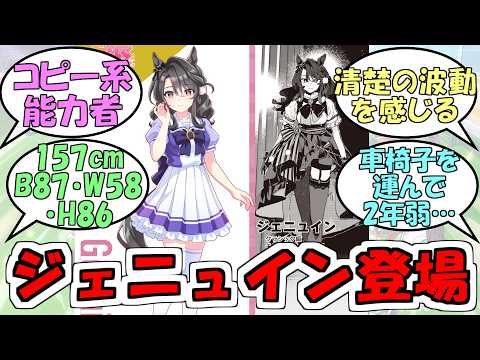
Uma Musume, the popular mobile game and multimedia franchise that reimagines legendary racehorses as anime girls, officially announced the addition of Jenny as a playable character on November 18, 2024. Jenny had previously appeared in the Stamp Production manga adaptation but had not been confirmed for the main game until this announcement. The character features a distinctive design with garter belts and stockings, stands 157 cm tall with a bust measurement of 87 cm, and possesses a unique ability to copy other characters’ skills. Voice actress Fukushima Milly has been cast in the role.
Why It Matters
Jenny’s addition represents a significant shift in how game publishers approach character rollouts and fan engagement. Rather than the traditional rapid-release model, Uma Musume employed a nearly two-year preparation period, strategically releasing limited information across multiple media platforms. This approach demonstrates how modern gaming franchises are prioritizing long-term fan attachment over short-term hype cycles. The announcement also highlights the interconnected nature of contemporary media strategies, where characters debut across manga, games, and live events in carefully orchestrated sequences designed to maximize community investment and creative speculation.
Background
Uma Musume launched as a mobile game in 2018 and has since expanded into a multimedia franchise including anime adaptations, manga series, and live concerts. The franchise’s core concept involves reimagining actual racehorses from history as anime characters, maintaining fidelity to the real animals’ achievements and personalities while creating engaging fictional narratives. The Stamp Production manga “Uma Musume: Cinderella Grey” serves as a parallel narrative that introduces characters and storylines not yet present in the main game. Jenny’s appearance in this manga, combined with her absence from the game for nearly two years, created a sustained period of fan anticipation and speculation.
Key Points
- Two-Year Information Strategy: Jenny appeared in the Stamp Production manga approximately two years before her official game announcement, creating an extended period of limited information disclosure that maximized fan expectations.
- Character Design Differentiation: Jenny’s design balances distinction from similar character Fuji Kiseki while maintaining visual coherence as a fellow Sunday Silence offspring, demonstrating precise design calculation.
- The Copy Ability Paradox: Jenny’s name means “genuine” or “authentic,” yet her primary ability involves copying other characters’ skills—a deliberate contradiction that creates psychological depth and narrative complexity.
- Voice Actress Strategy: The selection of newcomer voice actress Fukushima Milly appears calculated to distinguish Jenny’s media presence from other franchise announcements and avoid overlap with existing casting decisions.
- Multi-Platform Character Development: Jenny’s characterization differs between the manga and game versions, encouraging fans to engage with multiple media formats to fully understand the character.
- Sensitivity and Adaptation: Historical records indicate the real Jenny was a sensitive horse that disliked wind, a trait incorporated into the character’s design and potentially relevant to future storyline development.
Timeline
- Approximately 2 years ago: Jenny first appears in Stamp Production’s “Uma Musume: Cinderella Grey” manga series
- Throughout 2-year period: Limited character information gradually released across various media platforms
- November 18, 2024: Official announcement of Jenny’s addition to the main Uma Musume game with full character specifications and voice actress reveal
Perspectives
Fan responses to Jenny’s announcement have been notably diverse, reflecting the maturity of the Uma Musume community. Many fans expressed enthusiasm about the character design, particularly noting physical attributes like the garter belt and stockings. Others engaged in detailed analysis of how Jenny’s copy ability might function strategically within the game’s mechanics, with some fans already speculating about narrative scenarios where a copy character defeats the original—a narrative pattern familiar from other anime and manga properties.
Some fans noted visual differences between Jenny’s appearance in the manga versus the official game artwork, with comments ranging from “looks like Takt in the Stamp Production version, but the official check made her adorable” to detailed discussions about what these variations might suggest about future media adaptations. Additionally, some existing fans expressed protective feelings toward established characters like Fuji Kiseki, viewing Jenny’s positioning as a potential successor with mixed emotions rather than pure enthusiasm.
Technical analysis from experienced players focused on how Jenny’s copy ability might be implemented mechanically, with speculation about whether the ability would function as a passive skill, active ability, or strategic tool for team composition. Voice acting enthusiasts noted that Fukushima Milly’s casting as a newcomer might indicate Uma Musume’s strategy to develop new talent rather than rely on established voice actresses, potentially signaling future expansion of the voice cast.
Insights
Jenny’s official announcement reveals a fundamental evolution in how gaming franchises approach character introduction and community engagement. The nearly two-year gap between Jenny’s manga debut and game announcement represents a deliberate departure from the rapid-release model that dominated gaming marketing in previous decades. By extending the information disclosure period, Uma Musume created sustained opportunities for fan speculation, creative interpretation, and community discussion—activities that deepen emotional investment far more effectively than immediate availability would.
The character’s design, incorporating both the paradoxical name-ability relationship and the historical sensitivity trait, demonstrates sophisticated character psychology. This approach aligns with contemporary narrative trends that prioritize internal contradiction and emotional complexity over straightforward character archetypes. The franchise’s willingness to present different character interpretations across manga and game platforms further encourages fans to engage with multiple media formats, strengthening overall franchise loyalty.
From a broader industry perspective, Jenny’s introduction exemplifies how modern gaming franchises are transitioning from short-term hype cycles to long-term narrative ecosystems. Rather than pursuing momentary viral attention, Uma Musume invests in sustained storytelling that respects both the historical racehorses being adapted and the creative investment of the fan community. This strategy suggests that future game development may increasingly prioritize deep, multi-platform narratives over rapid content turnover, representing a meaningful shift in how publishers measure success and engagement.
The character’s positioning as both a successor to and distinct from Fuji Kiseki, combined with her placement in the character roster between Durandal and Bubble, suggests deliberate narrative planning for future character implementations. Industry observers might interpret these placement decisions as hints about upcoming announcements, indicating that Uma Musume’s development roadmap extends well beyond Jenny’s current addition.