▶ Watch the original YouTube video
How Fans React to Detective Conan’s Black Organization: A 15-Year Analysis of Anime’s Most Complex Villain Group
A viral video analyzing fan reactions to Detective Conan’s Black Organization has sparked renewed discussion about how the series portrays its antagonists. After 15 years of following the franchise, viewers and analysts are discovering that the organization’s members—particularly Gin—represent a sophisticated approach to villain characterization that transcends typical anime tropes.
What Happened
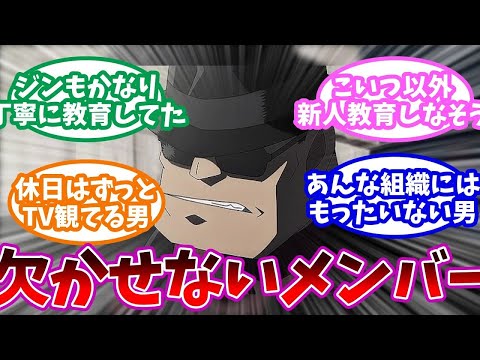
A recent YouTube video compilation titled “Fan Reactions to Essential Black Organization Members” has generated significant discussion within the Detective Conan community. The video aggregates viewer responses to the organization’s portrayal across the anime series, films, and original manga, revealing consistent patterns in how audiences interpret the group’s internal dynamics and character relationships.
Why It Matters
The Black Organization represents a departure from conventional anime villain groups. Rather than serving as one-dimensional obstacles for the protagonist to overcome, the organization’s members display complex interpersonal relationships, hierarchical structures, and individual motivations. This level of characterization has become increasingly rare in the medium, making the series’ approach to antagonist development noteworthy for both casual viewers and industry analysts. The fan reactions documented in the video suggest that audiences actively seek this depth in villain portrayal, challenging the traditional “good versus evil” narrative framework.
Background
Detective Conan, created by Gosho Aoyama, has maintained a 25+ year narrative arc centered on the protagonist’s infiltration of and investigation into the Black Organization. The group functions as both a criminal enterprise and a complex social structure with distinct roles, power dynamics, and internal tensions. Unlike episodic villain groups in other series, the Black Organization evolves throughout the narrative, with members developing recognizable personalities and relationships that extend beyond their function as antagonists.
The recent film “Black Iron Submarine” (Kurogane no Submarine) provided fresh material for analysis, showcasing the organization’s members in scenarios that blend action sequences with comedic moments. These scenes have prompted viewers to reconsider whether the organization’s apparent operational inefficiencies—such as repeatedly losing vehicles—represent intentional character development or unintended narrative consequences.
Key Points
- Gin’s Central Role: Viewers consistently identify Gin as the organizational pillar whose presence is essential to the group’s functionality. His position transcends that of a typical enforcer, encompassing mentorship, coordination, and psychological stability for other members.
- Dependency Structures: Characters like Vodka demonstrate extreme reliance on senior members, reflecting real-world organizational psychology where subordinates become psychologically dependent on established leaders.
- Media Adaptation Differences: The film adaptation introduces comedic elements absent from the original manga, including exaggerated character expressions and slapstick sequences that humanize the antagonists.
- Author Involvement: Gosho Aoyama’s direct involvement in anime scriptwriting has resulted in deliberate linguistic choices that transform straightforward dialogue into more poetic, memorable expressions—a technique absent from typical anime adaptations.
- Dual Characterization: The character Pinga’s dual personality is effectively conveyed through voice acting nuance, demonstrating how technical performance can elevate character complexity.
- Organizational Instability as Narrative Device: The series intentionally maintains the organization in a state of flux, preventing the narrative from stagnating through fixed power structures.
Comparative Analysis
| Series | Antagonist Organization | Character Depth | Relational Complexity |
|---|---|---|---|
| Detective Conan | Black Organization: Clear hierarchy, internal espionage, factional tensions | Exceptionally high—extensive background development and psychological portrayal | Highly complex—layered trust dynamics, power struggles, betrayal potential |
| Attack on Titan | Marley State: National military apparatus | High—developed primarily in later narrative arcs | Complex—geopolitical conflict, individual moral ambiguity |
| Spy x Family | Ostania Intelligence Bureau: State security apparatus | Moderate—limited to primary characters | Moderate—organizational relationships remain peripheral to main narrative |
Perspectives on Organization Dynamics
The Competence Question: Viewers frequently question how the organization sustains operations given repeated equipment losses and apparent coordination failures. This observation reflects audience engagement with organizational logic—viewers are analyzing the group as a functional entity rather than accepting it as narrative backdrop.
Character Humanization: The most prevalent viewer response identifies Gin as potentially “a good person,” suggesting that the organization’s members transcend villain archetypes. This interpretation stems from observing Gin’s mentorship behaviors, responsibility toward subordinates, and adherence to professional standards—qualities typically associated with protagonists.
Intentionality of Comedic Elements: Debate exists regarding whether comedic sequences in the film adaptation—such as Gin descending from a helicopter with visible enthusiasm—represent deliberate character development or unintended tonal inconsistency. Evidence suggests these moments are authorial choices designed to emphasize character humanity rather than narrative oversights.
Author’s Creative Approach
Gosho Aoyama’s statement that “the organization is currently experiencing significant turmoil” reveals a deliberate narrative strategy. Rather than allowing organizational structures to calcify, the author maintains dynamic instability that permits character agency and unpredictable developments. This approach contrasts with long-running series that suffer narrative stagnation when antagonist organizations become too rigidly defined.
The author’s direct involvement in scriptwriting—particularly his modification of dialogue to incorporate more poetic language—demonstrates how original creators can enhance adaptation quality. Where manga dialogue might be direct and functional, anime dialogue becomes layered with subtext and emotional resonance through careful word selection.
Insights
The Black Organization represents a sophisticated evolution in antagonist portrayal. By treating villain group members as fully realized characters with internal hierarchies, emotional dependencies, and individual motivations, Detective Conan challenges the narrative convention that antagonists exist primarily to be defeated. The organization functions as a secondary protagonist group—one whose actions drive plot development while maintaining moral complexity that resists simple categorization.
Fan reactions indicate that contemporary anime audiences actively seek this depth. The repeated requests for Gin-focused spin-off content and the detailed analysis of organizational structure suggest viewers engage with the series on multiple interpretive levels simultaneously—as action narrative, character study, and organizational psychology.
The series’ longevity depends partly on this narrative strategy. By maintaining organizational instability and preventing character arcs from reaching definitive conclusions, Aoyama sustains tension and viewer investment across decades of serialization. The Black Organization’s complexity ensures that each new episode or film provides fresh material for interpretation and discussion, preventing the narrative from exhausting its thematic potential.
Ultimately, the Black Organization demonstrates that villain groups need not function as monolithic obstacles. When afforded the same character development, psychological depth, and relational complexity as protagonists, antagonist organizations become compelling narrative entities that enhance rather than diminish overall storytelling quality. This approach has established a new standard for how subsequent anime productions might conceptualize and portray their antagonistic forces.