▶ Watch the original YouTube video
Detective Conan’s Rum: Is He Incompetent or the Perfect Supporting Character? A 15-Year Fan Analysis
After 15 years of following Detective Conan and analyzing over 500 anime episodes, a deep dive into fan reactions reveals that Rum, the Black Organization’s seemingly incompetent executive, may actually be the series’ most strategically important character. Far from being a failed antagonist, Rum’s contradictions and missteps may represent an intentional narrative design that serves the story’s core mechanics.
What Happened
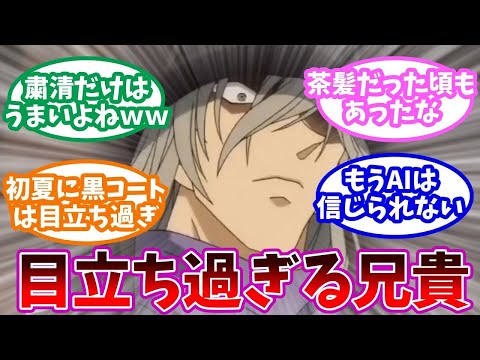
A YouTube video compilation gathered diverse fan reactions to Rum, a high-ranking member of the Black Organization in Detective Conan. The video highlighted the stark contradictions in Rum’s character: despite claiming to hate standing out, he sports silver hair, wears a black long coat, and drives a conspicuous vehicle. Additionally, despite holding an executive position with a codename, Rum frequently engages in direct fieldwork—a role typically beneath his organizational rank. These inconsistencies sparked widespread debate among the fanbase about whether Rum represents poor character design or intentional narrative complexity.
Why It Matters
Understanding Rum’s character provides insight into how Detective Conan balances its core narrative mechanics. The series must maintain tension between the protagonists and the Black Organization while simultaneously allowing Conan and Haibara to make meaningful progress. Rum’s apparent incompetence, when examined closely, may reveal how the series’ creators deliberately structure organizational dysfunction to serve the story’s needs. This analysis demonstrates how seemingly flawed characters can function as essential narrative tools, offering lessons applicable to character design across anime and serialized fiction.
Background
Detective Conan, serialized in Weekly Shonen Sunday, has maintained a complex narrative involving the Black Organization for decades. Rum emerged as a significant character during the 2010s anime era, distinguished by his unusual combination of high organizational status and direct involvement in field operations. Unlike other executives such as Vermouth—whose actions are calculated and purposeful—Rum’s behavior frequently appears contradictory and careless. This contrast between organizational rank and demonstrated competence became a focal point for fan discussion, particularly regarding the character’s underlying purpose within the narrative structure.
Key Points
- The Contradiction Paradox: Rum claims to despise standing out yet maintains the most visually distinctive appearance among organization members, suggesting either character inconsistency or deliberate psychological complexity.
- Dual Competence: Rum demonstrates both exceptional ability—accurately tracking Sherry’s whereabouts and handling sensitive organizational information—and repeated tactical failures in basic judgment, indicating possible system dependency rather than personal capability.
- Organizational Dysfunction: High-ranking members like Rum and Vermouth engage in direct fieldwork while Number Two, Rum, works at a sushi restaurant, suggesting either organizational inefficiency or a deliberately democratic structure.
- Narrative Enablement: Rum’s actions consistently create organizational chaos that inadvertently benefits Conan and Haibara, positioning him as an unintentional ally despite his antagonistic role.
- Poetic Expression: Rum employs literary and philosophical language in everyday conversation, suggesting deeper internal conflict beyond his surface role as a simple operative.
- Fan Polarization: The fanbase divides sharply between those viewing Rum as comedic relief and those criticizing him as a poorly designed antagonist, with both perspectives potentially validating his narrative function.
Character Analysis: The Nature of Rum’s Existence
Comparing Rum to other Black Organization executives reveals significant design differences. Vermouth operates with calculated precision, every action serving a clear purpose. Rum, conversely, exhibits behavior riddled with apparent contradictions. This distinction may not represent a writing flaw but rather a deliberate characterization choice.
The contradiction between Rum’s stated preference for inconspicuousness and his visually striking appearance—silver hair, long black coat, distinctive vehicle—mirrors psychological patterns seen in other anime narratives. Similar contradictions in series like Attack on Titan revealed deeper character motivations and internal conflicts. In Rum’s case, this contradiction may express his psychological state: a man aware of organizational dysfunction yet unable or unwilling to address it directly.
Rum’s dual competence presents another crucial element. His accurate intelligence gathering regarding Sherry contrasts sharply with his failure to recognize that Shinichi remains alive. This inconsistency suggests a character dependent on external systems rather than personal deductive ability. Comparable to the system-dependent antagonists in Psycho-Pass, Rum may represent an executive whose authority derives from organizational infrastructure rather than individual capability. He excels when accessing AI systems and organizational databases but falters when requiring independent judgment.
Rum as the Perfect Supporting Antagonist
Extended analysis reveals that Rum functions as Detective Conan’s most effective unintentional ally. His actions consistently generate organizational chaos that provides Conan and Haibara with critical advantages. When Rum attempts to eliminate Sherry candidates, the resulting internal confusion actually strengthens the protagonists’ position. This pattern mirrors narrative structures in Code Geass, where the protagonist’s enemy inadvertently facilitates his growth and success.
This dynamic likely represents intentional design. Detective Conan requires balance between mystery-solving and action sequences while maintaining protagonist agency. A completely competent Black Organization would eliminate narrative space for Conan’s contributions. By positioning Rum as a contradictory figure whose actions undermine organizational efficiency, the creators preserve protagonist relevance while maintaining antagonistic pressure.
Rum’s poetic and philosophical language further supports this interpretation. His wordplay—such as comments about Sherry and cherry—and his cryptic observations about organizational dysfunction suggest a character aware of systemic problems. These statements transcend simple comedic relief, indicating internal awareness of the organization’s fundamental contradictions. This linguistic pattern, comparable to character development in Bungo Stray Dogs, suggests Rum possesses greater self-awareness than his surface actions indicate.
Organizational Structure Implications
The apparent dysfunction of the Black Organization—with high-ranking executives engaged in fieldwork and Number Two operating a sushi restaurant—initially suggests poor organizational design. However, alternative interpretation suggests this structure reflects deliberate democratic principles rather than hierarchical failure. Each member, including Rum, may maintain autonomy in choosing their operational involvement.
This organizational model parallels the Survey Corps in Attack on Titan, which appears rigidly hierarchical but actually grants members significant operational freedom. The Black Organization may function similarly, with Rum’s continued fieldwork reflecting personal choice rather than organizational necessity. This interpretation transforms apparent dysfunction into intentional structural design, adding narrative depth to the organization’s characterization.
Fan Perspectives and Interpretations
The YouTube video revealed sharply divided fan opinions. Positive responses emphasize Rum’s entertainment value, with commenters noting that his appearances consistently generate humor and engagement. These fans recognize Rum as an entertainer whose contradictions enhance overall narrative enjoyment rather than detract from it.
Conversely, critical responses question organizational logic, asking why executives perform fieldwork and criticizing the organization’s apparent dysfunction. These commenters seek rational organizational structure and view Rum’s contradictions as design failures.
Notably, these opposing perspectives are not mutually exclusive. Rum’s character simultaneously functions as both comedic relief and narrative mechanism for organizational dysfunction. The criticism itself validates his narrative importance—the very contradictions that frustrate some fans create the organizational chaos necessary for protagonist advancement. Both positive and negative responses ultimately confirm Rum’s essential role in the series’ structure.
Comparative analysis with Vermouth also emerged in fan discussions. While some viewers find Vermouth more threatening, others prefer Rum’s complexity. This preference split reflects the characters’ distinct narrative functions: Vermouth embodies organizational ideals, while Rum represents organizational reality. Both serve essential purposes within the larger narrative framework.
Practical Guidance for Understanding Rum
For viewers seeking deeper appreciation of Rum’s character, several analytical approaches prove valuable. First, track the consequences of his actions rather than evaluating actions in isolation. Examine how his decisions create organizational confusion that ultimately benefits Conan and Haibara. This consequence-focused analysis reveals the creator’s narrative intentions.
Second, analyze Rum’s dialogue carefully. His statements consistently contain organizational doubts and philosophical observations that extend beyond surface-level humor. These comments reveal his awareness of systemic problems and internal conflict.
Third, compare Rum to similar characters in other anime. Series like Code Geass and Attack on Titan feature comparable characters whose apparent contradictions mask deeper narrative functions. Cross-series analysis clarifies Rum’s position within anime character design conventions.
Finally, examine Rum’s visual presentation as psychological expression. His distinctive appearance—silver hair, black coat, conspicuous vehicle—represents internal contradiction made visible. Understanding this visual language unlocks deeper character comprehension.
Insights and Broader Implications
After 15 years of Detective Conan analysis, Rum emerges not as a poorly designed antagonist but as a strategically essential character. His apparent incompetence masks sophisticated narrative function. He simultaneously serves as comedic relief, organizational chaos generator, protagonist enabler, and psychological complexity representation.
Rum’s character demonstrates that narrative effectiveness does not require logical consistency at surface level. Instead, apparent contradictions can express psychological depth and serve larger structural purposes. This principle extends beyond Detective Conan to broader character design philosophy: characters need not be individually rational to function narratively.
The Black Organization itself gains complexity through Rum’s presence. Rather than functioning as a monolithic threat, the organization exhibits internal contradictions and member autonomy that create narrative space for protagonist advancement. Rum embodies this organizational reality, making him essential to the series’ fundamental mechanics.
Future narrative developments regarding Rum will prove revealing. Should he lose organizational status, the series’ structural balance would shift significantly. Conversely, if he maintains his contradictory nature, this confirms creator awareness of his narrative function. Either trajectory will demonstrate the intentionality behind his characterization.
Ultimately, Rum represents a masterclass in supporting character design. He functions simultaneously as antagonist, ally, comic relief, and narrative mechanism—a complexity that explains both fan enthusiasm and criticism. His existence validates the principle that character depth emerges not from individual rationality but from purposeful narrative positioning within larger story structures.