▶ Watch the original YouTube video
Why Kurea from Detective Precure Became the Ultimate Character: A Deep Dive into Anime’s Most Attribute-Packed Design
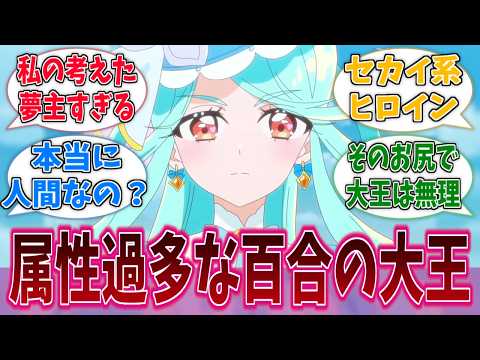
Kurea, a character from the latest Precure series “Detective Precure,” has captivated fans by seamlessly combining multiple character archetypes—glasses, short hair, cool demeanor, and yuri elements—into a single cohesive design. This analysis explores why this “attribute-packed” character design has resonated so strongly with audiences and what it reveals about modern anime fandom.
What Happened
Kurea’s introduction in “Detective Precure!” has sparked widespread fan enthusiasm across social media platforms including Twitter, YouTube, and 5channel forums. The character has earned the informal title “Yuri Queen” due to her compelling combination of visual and personality traits that appeal to diverse fan demographics. Unlike previous Precure characters who typically embodied a single dominant archetype, Kurea successfully integrates multiple fan-favorite attributes—intellectual glasses, practical short hair, cool personality, and romantic subtext with other characters—without creating narrative inconsistency.
Why It Matters
Kurea represents a significant evolution in anime character design philosophy. Rather than creating separate characters to appeal to different fan preferences, modern production teams are increasingly designing individual characters with layered attributes. This approach democratizes fan engagement by allowing viewers with different preferences to connect with the same character. For the Precure franchise specifically, Kurea exemplifies how the series has evolved its portrayal of female relationships from simple friendship narratives to more emotionally complex yuri-coded storytelling. This shift reflects both industry trends and changing audience expectations for character depth and representation.
Background
The Precure franchise has been a cornerstone of magical girl anime for 15 years, known for emphasizing bonds between female characters. Over this period, the series has gradually shifted its character design philosophy. Early Precure works featured straightforward character archetypes—the energetic leader, the cool one, the gentle healer. However, recent entries have adopted increasingly complex character designs that blend multiple attributes. This evolution mirrors broader industry trends in anime production, where audiences now expect characters to possess psychological depth and multifaceted personalities rather than single defining traits.
Kurea’s design specifically draws from contemporary anime character design trends observed in works like “Uma Musume: Pretty Derby” (2021) and “Love Live! Nijigasaki High School Idol Club” (2020), where characters combine multiple appealing attributes to maximize audience engagement across different fan communities. The integration of yuri elements into mainstream magical girl anime represents another significant industry shift, with romantic subtext between female characters becoming increasingly explicit in recent years.
Key Points
- Unified Attribute Design: Kurea’s multiple characteristics—glasses, short hair, cool demeanor, and intellectual nature—all stem logically from her detective role, creating internal consistency rather than feeling like arbitrary attribute collection.
- Cross-Demographic Appeal: By combining multiple fan-favorite traits, Kurea appeals simultaneously to fans of different character archetypes, effectively broadening the character’s audience reach.
- Evolved Yuri Representation: Kurea’s romantic subtext with other characters represents the Precure franchise’s evolution from implicit female bonding to explicit emotional intimacy, reflecting modern audience expectations.
- Character Design Innovation: Kurea exemplifies a shift from single-attribute character design to integrated multi-attribute design, representing current industry best practices in anime production.
- Community Activation: The character has generated substantial fan engagement across multiple platforms, with discussions ranging from character analysis to creative fan works.
- Industry Trend Indicator: Kurea’s success suggests that future anime productions may increasingly adopt similar multi-attribute character design strategies.
Timeline
- 2018: Industry observation of successful multi-attribute character design in works like “Laid-Back Camp” (Yuru Camp)
- 2019-2021: Emergence of complex character design strategies in “Angel’s 3P!,” “Love Live! Nijigasaki,” and “Uma Musume: Pretty Derby”
- 2023-2024: Acceleration of multi-attribute character design trends across anime industry
- 2024: Kurea’s introduction in “Detective Precure!” demonstrates culmination of these design trends
Perspectives
Fan Enthusiasm: Social media responses overwhelmingly praise Kurea’s design coherence, with users noting that despite multiple character attributes, the design feels natural rather than forced. Comments frequently highlight the synergistic effect of combining glasses with short hair and cool personality, creating an impression of “active intellectualism” that transcends any single attribute.
Critical Consideration: Some viewers express concern that the yuri elements may be overstated for fan service rather than serving genuine narrative purposes. This perspective reflects ongoing tension within the Precure community regarding the appropriate balance between child-oriented content and adult fan engagement.
Industry Analysis: Production professionals recognize Kurea as exemplifying successful implementation of contemporary character design principles—specifically, the integration of multiple attributes into a psychologically coherent character rather than treating attributes as interchangeable cosmetic features.
Insights
Kurea’s success illuminates a fundamental shift in how anime audiences consume and engage with characters. Rather than seeking characters that perfectly match a single preference, modern fans increasingly appreciate characters who embody multiple dimensions. This reflects broader cultural trends toward complexity and intersectionality in character representation.
The character also demonstrates how franchise evolution responds to demographic changes. The Precure series, originally targeted at children, now maintains a substantial adult fanbase. Kurea’s design—with her intellectual depth, romantic subtext, and psychological complexity—caters to this expanded audience without alienating younger viewers.
Furthermore, Kurea’s reception suggests that successful multi-attribute character design requires internal narrative logic. Her attributes don’t feel arbitrary because they all connect to her detective profession. This principle—that character attributes should emerge from character essence rather than being externally imposed—represents a maturation in anime production philosophy.
Looking forward, Kurea’s character arc will likely determine whether this design approach becomes industry standard. If her cool exterior gradually reveals deeper emotional dimensions (a common narrative device), the emotional payoff could cement multi-attribute character design as the preferred approach. Conversely, if attributes remain surface-level, the design might be dismissed as superficial fan service. The franchise’s execution of her character development will significantly influence how future anime productions approach character design.