▶ Watch the original YouTube video
How 15 Years of Anime Watching Changed My Expectations: A Deep Dive Into Fan Psychology and Industry Saturation
After watching over 500 anime series since 2009, my reactions to new seasonal releases have evolved from simple excitement to complex, multilayered emotional responses. This shift reflects broader changes in fan psychology, industry saturation, and how social media has transformed the way we consume and discuss anime.
What Happened
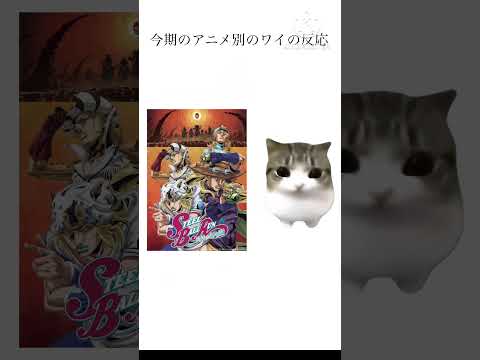
A viral meme capturing viewers’ contradictory reactions to current anime seasons prompted a deeper examination of how fan expectations have shifted over the past 15 years. What began as straightforward enthusiasm for new releases has transformed into a complicated emotional state where viewers simultaneously experience anticipation, disappointment, emotional numbness, and resignation—often within the same viewing experience.
Why It Matters
Understanding this shift reveals important truths about fan culture, media consumption patterns, and the psychological impact of content oversaturation. As the anime industry doubles its annual output compared to a decade ago, viewers face unprecedented choice paralysis and expectation management challenges. This phenomenon extends beyond anime fandom, offering insights into how audiences engage with any rapidly expanding entertainment medium.
Background
The author’s journey began in autumn 2009 as a first-year university student discovering the simultaneous broadcast of Bakemonogatari, A Certain Scientific Railgun, and K-On!. This era represented what many consider anime’s golden age of late-night programming. Over the following 15 years, the author watched over 500 anime series and observed distinct patterns in both personal viewing habits and broader industry trends.
A critical turning point occurred during the winter 2015 anime season while watching Osomatsu-san, Divine Gate, and Bubuki Buranki simultaneously. The author realized that three separate emotional layers existed within the viewing experience: pre-viewing expectations, in-viewing excitement, and post-viewing satisfaction—and these rarely aligned.
By 2018-2019, a deliberate “expectation management strategy” emerged: limiting pre-release information, checking social media reactions before watching, and adopting a “catch-up viewing” approach rather than real-time consumption. This shift marked the transition from naive enthusiasm to calculated, analytical engagement.
Key Points
- Expectation-Reality Gap: Higher pre-viewing expectations correlate directly with greater disappointment and more complex emotional responses, creating a paradox where lower expectations often yield higher satisfaction.
- Industry Saturation: Anime production doubled between 2013 and 2023, reducing individual show viewership probability by half and forcing viewers to rely on social media consensus and algorithm recommendations rather than personal discovery.
- Cyclical Patterns: The industry exhibits clear “abundant seasons” (multiple high-quality simultaneous releases) and “lean seasons” (fewer notable titles), with cycle frequency accelerating since 2020 due to streaming service proliferation.
- Emotional Layering: Modern fan reactions contain simultaneous, contradictory emotional states—genuine enjoyment coexisting with dissatisfaction, critical appreciation alongside dismissal—creating what the author terms “mature complexity” rather than simple enjoyment or rejection.
- Social Media Fragmentation: Real-time Twitter reactions differ significantly from post-episode analysis conducted days or weeks later, creating a dissonance between immediate emotional response and considered evaluation.
- Meta-Entertainment: Viewers increasingly derive enjoyment from analyzing their own reactions, speculating about creator intent, and engaging with fan discourse—treating the “response itself” as entertainment rather than seeking definitive answers.
Timeline
- 2009 (Autumn): Author discovers seasonal anime concept; experiences pure, uncomplicated enthusiasm for simultaneous releases.
- 2013-2015: First awareness of expectation-reality gaps; observation of industry’s “abundant” and “lean” season cycles begins.
- 2015 (Winter): Critical realization of three-layer emotional structure during simultaneous viewing of multiple titles.
- 2018-2019: Development of deliberate expectation-management strategies; shift toward analytical viewing patterns.
- 2020-2021: Clear recognition of cyclical emotional response patterns; acceleration of industry saturation becomes evident.
- 2023-2024: Observation of meta-entertainment phenomenon; recognition that response complexity has become the primary source of engagement.
Perspectives
The Saturation Argument: With 2023 producing approximately double the anime volume of 2013, viewers face genuine choice paralysis. Rather than enabling discovery, abundance paradoxically constrains it—audiences default to trending titles and algorithmic recommendations, reducing organic engagement with lesser-known works.
The Nostalgia Critique: Online discussions frequently dismiss “recent anime is worse” complaints as recency bias or nostalgia distortion. However, the author’s analysis suggests this misses the point: the shift isn’t necessarily about declining quality but about transformed viewer psychology and altered consumption patterns.
The Branding Effect: Specific voice actors and production studios have become brands with fixed expectations. When “ufotable” or actor “Natsuki Hanae” is attached to a project, viewers arrive with predetermined expectations that can overshadow the actual work. This branding provides security but inhibits genuine surprise.
The Genre Specialization View: Interestingly, online communities often declare specific seasons “abundant” or “lean” based on genre preferences rather than absolute quality. A season might be “abundant” for romance anime enthusiasts while appearing barren to mecha fans, suggesting that “quality” judgments are increasingly subjective and preference-driven.
Insights
The evolution from simple enthusiasm to complex emotional engagement represents not decline but maturation. The author’s 15-year journey reveals that long-term fandom doesn’t produce burnout so much as it produces sophistication—the ability to simultaneously hold contradictory responses, appreciate technical craft while questioning creative choices, and find entertainment value in analyzing one’s own reactions.
The meme capturing “current reactions to seasonal anime” ultimately illustrates this maturation. Rather than expressing pure enjoyment or dismissal, it captures the simultaneous experience of anticipation, disappointment, emotional numbness, and resignation—a state impossible for newer fans to achieve. This complexity, while sometimes exhausting, represents a deeper engagement with the medium.
Several practical strategies emerge from this analysis: deliberately limiting pre-release information, consciously varying genres across viewing seasons, watching completed series in marathon sessions rather than real-time, paralleling new works with related classics for comparative understanding, and maintaining viewing journals to track emotional evolution. These approaches acknowledge that expectation management has become as important as content quality in determining viewing satisfaction.
The broader implication extends beyond anime fandom. As entertainment industries worldwide increase production volume, audiences across all media face similar expectation-management challenges. The psychological patterns observed here—saturation-induced choice paralysis, algorithm-dependent discovery, meta-entertainment emergence, and emotional complexity from repeated exposure—likely characterize modern media consumption generally.
Ultimately, the question isn’t whether recent anime has declined in quality but whether audiences have fundamentally changed how they process and evaluate entertainment. The answer, based on 15 years of documented experience, is yes—and this transformation, while occasionally melancholic, represents genuine growth in critical capacity and emotional sophistication.