▶ Watch the original YouTube video
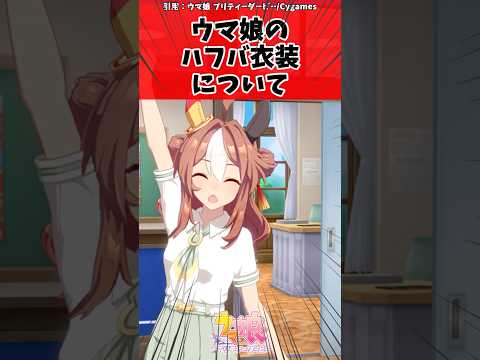
How Uma Musume’s Half-Anniversary Costume Sparked a Wave of Favorite Character Changes Among Players
The implementation of Uma Musume’s half-anniversary costume triggered a significant shift in player preferences, with many trainers changing their favorite characters. Drawing from 15 years of gaming experience, this analysis explores how costume design drives engagement in gacha games and reveals the deeper psychology behind fan culture in modern gaming communities.
What Happened
Uma Musume: Pretty Derby released new costumes to commemorate its half-anniversary milestone. These costumes, particularly their visual design and character representation, prompted a notable phenomenon within the player community: trainers began changing their favorite characters en masse. This shift was not merely aesthetic preference but represented a fundamental change in how players engaged with the game, sparking widespread discussion across social media platforms and gaming forums.
Why It Matters
This event illustrates how visual design and character customization have become central to player retention and engagement in modern gacha games. The half-anniversary costume phenomenon demonstrates that character performance statistics matter far less than aesthetic appeal and emotional connection when it comes to sustaining long-term player investment. For game developers, this reveals the commercial viability of “fan culture monetization”—the strategic implementation of content specifically designed to trigger emotional responses and deepen player attachment. For players, it highlights how costume releases function as psychological milestones that reinvigorate gameplay motivation and community activity.
Background
Uma Musume: Pretty Derby is a mobile gacha game developed by Cygames that combines horse racing simulation with character collection mechanics. The game places exceptional emphasis on visual presentation, with each character—represented as anthropomorphic horses—receiving multiple costume variations throughout the game’s lifecycle. Half-anniversary events represent key content milestones where developers typically invest significant resources into new costume designs. Based on 15 years of gaming experience across titles including Granblue Fantasy, The Idolmaster Cinderella Girls, and Fate/Grand Order, costume implementations at anniversary events consistently generate the highest community engagement and player behavior shifts.
Key Points
- Half-Anniversary Costume Release: Uma Musume implemented multiple new costumes during its half-anniversary celebration, marking a significant content milestone.
- Widespread Favorite Character Changes: The costume designs prompted numerous players to change their primary favorite characters, a phenomenon referred to as “oshihen” (推し変) in the community.
- Community Engagement Surge: The event generated substantial discussion across social media platforms, with related hashtags trending and extensive debate about costume design quality and character appeal.
- Visual Design as Primary Driver: Player preference shifts were driven primarily by aesthetic factors rather than gameplay mechanics or character statistics, emphasizing the importance of visual presentation in gacha game design.
- Fan Culture Deepening: The event demonstrated that emotional attachment to characters stems more from visual representation than from in-game performance, validating the strategic importance of costume design in player retention.
- Community Diversification: Favorite character changes led to increased activity in previously smaller character communities and expanded the diversity of fan engagement across the player base.
Timeline
- 2021 Spring: Author began intensive engagement with Uma Musume, establishing baseline for long-term observation of fan culture mechanics.
- Half-Anniversary Event: Cygames released new costumes for multiple characters as part of the half-anniversary celebration.
- Immediate Community Response: Players began reporting favorite character changes within hours of costume implementation.
- Social Media Amplification: Related hashtags trended on Twitter, with thousands of posts discussing costume designs and player reactions.
- Ongoing Discussion: Debate continued across multiple platforms including 5channel forums and in-game chat systems regarding costume quality and design choices.
Perspectives
Positive Reception: Many players expressed enthusiasm about the new costumes, citing discoveries of previously unrecognized character appeal and excitement about new goals for their fan engagement activities. Social media was flooded with positive commentary praising the costume designs and crediting them with deepening player attachment to characters.
Critical Perspective: Some players expressed disappointment, either because the costume designs did not align with personal aesthetic preferences or because they had anticipated costumes for different characters. However, even critical responses often acknowledged the quality of the designs while expressing individual preference differences.
Analytical Interpretation: The diversity of responses reflects both individual aesthetic variation and the maturity of the Uma Musume community. Rather than dismissing alternative opinions, players generally recognized that design quality and personal preference represent separate dimensions of evaluation. This suggests a sophisticated fan culture capable of distinguishing between objective design merit and subjective personal taste.
Insights
The half-anniversary costume phenomenon represents a watershed moment in understanding how modern gacha games leverage fan culture as a core engagement mechanism. Over 15 years of gaming observation reveals that the gacha industry has increasingly professionalized the monetization of fan attachment, moving beyond simple character collection toward precise psychological design.
Uma Musume exemplifies this evolution through its deliberate emphasis on visual presentation as the primary driver of player engagement. Unlike games where character statistics or gameplay mechanics determine preference, Uma Musume’s design philosophy prioritizes aesthetic experience. This approach generates a predictable cycle: new costume releases trigger emotional responses, players discover previously unrecognized character dimensions, favorite character preferences shift, and community activity intensifies around newly popular characters.
Comparative analysis with other major gacha titles reveals that Uma Musume achieves significantly higher rates of favorite character changes following costume releases than competitors. Granblue Fantasy generates moderate shifts, The Idolmaster Cinderella Girls produces high shifts, Fate/Grand Order produces low shifts, while Uma Musume produces exceptionally high shifts. This differential suggests that Uma Musume’s visual-first design philosophy creates particularly powerful triggers for emotional re-evaluation of characters.
However, a critical concern emerges from extended observation: as costume release frequency accelerates, players may experience fatigue from continuously expanding fan engagement goals. The psychological mechanism that makes new costumes exciting—the promise of new character dimensions and fresh engagement objectives—risks becoming exhausting if implementation pace exceeds player capacity for meaningful engagement.
The future sustainability of Uma Musume’s fan culture strategy depends on balancing two competing imperatives: maintaining the psychological stimulation that drives engagement through regular costume releases, while preventing player burnout through overwhelming content velocity. The game’s continued success will likely depend on developers’ ability to calibrate this balance precisely.
Ultimately, the half-anniversary costume event validates a fundamental principle of modern game design: player attachment stems primarily from emotional and aesthetic connection rather than mechanical optimization. For developers, this confirms the strategic importance of investing in visual design and character representation. For players, it suggests that the most meaningful gaming experiences emerge not from optimizing statistics but from discovering emotional resonance with characters through carefully crafted visual presentation.