▶ Watch the original YouTube video
How Player Reactions to Collaboration Characters Reveal Gaming Community Psychology
The mobile game Battle Cats has implemented numerous collaboration characters over its 12-year history, and player reactions to these crossovers vary dramatically—revealing deeper insights into gaming community dynamics, generational preferences, and what truly determines collaboration success beyond character popularity alone.
What Happened
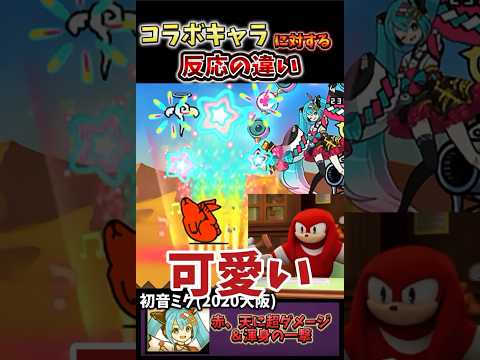
Battle Cats, a tower defense mobile game featuring cats, has experienced dramatically different player responses to various collaboration characters. While some crossovers generated mixed reactions, the recent Knuckles collaboration—featuring the character from Sega’s Sonic the Hedgehog series—produced unexpectedly positive community engagement and unique meme culture. This phenomenon reveals that collaboration success depends far more on character compatibility, performance balance, and community alignment than on raw character recognition.
Why It Matters
Understanding what drives player engagement with collaboration content has significant implications for the mobile gaming industry. As player demographics diversify across age groups and backgrounds, gaming communities are becoming increasingly complex. The Knuckles collaboration demonstrates that successful crossovers can bridge generational gaps and create multi-layered community experiences. This insight challenges conventional wisdom about licensing strategy and reveals how modern gaming communities function as creative, dynamic cultural entities rather than simple consumer groups.
Background
Battle Cats launched in 2012 and has since become one of mobile gaming’s most enduring titles. The game’s developer, Ponos, has pursued numerous high-profile collaborations over the years, including partnerships with Dragon Ball (2015), Attack on Titan (2019), and most recently, Sonic the Hedgehog characters including Knuckles.
Each collaboration required significant licensing investment, making the success or failure of these partnerships commercially important. However, player reception has varied considerably. The Dragon Ball collaboration was met with widespread nostalgia and positivity from players aged 20-40 who grew up with the franchise. The Attack on Titan collaboration, by contrast, generated mixed reactions due to tonal misalignment—the dark, serious nature of Attack on Titan clashed with Battle Cats’ lighthearted, humorous aesthetic.
The Knuckles collaboration, featuring a character introduced in 1994’s Sonic the Hedgehog 3, produced a notably different response pattern: universal positivity across multiple player demographics, coupled with organic meme culture development within the community.
Key Points
- Collaboration success transcends character popularity: Recognition alone does not determine player reception. Tonal compatibility between the original franchise and the game’s core aesthetic plays a crucial role.
- Performance balance is critical: Collaboration characters that are perceived as either overpowered or underpowered generate criticism. Knuckles’ appropriately balanced stats contributed to positive reception.
- Generational recognition creates multi-layered engagement: Knuckles appeals to players aged 30-40 through nostalgia, to younger players through internet meme culture, and to the youngest players through curiosity and community enthusiasm.
- Meme culture amplifies collaboration value: Organic meme development transforms collaboration events from temporary game mechanics into lasting cultural phenomena within gaming communities.
- Player diversity demands inclusive design: Modern gaming communities span ages 10-60 with varying backgrounds. Successful collaborations accommodate this diversity rather than targeting single demographics.
- Community response patterns differ by game tone: Attack on Titan succeeded in Puzzle & Dragons (which has a darker tone) but generated mixed reactions in Battle Cats (which emphasizes humor and lightness).
Timeline
- 1994: Knuckles introduced in Sonic the Hedgehog 3
- 2012: Battle Cats launches
- 2015: Dragon Ball collaboration implemented; receives predominantly positive reception from nostalgic players
- 2017: Super Mario collaboration succeeds through cross-generational appeal
- 2018: Major anime collaboration generates polarized community response
- 2019: Attack on Titan collaboration produces mixed reactions due to tonal mismatch
- 2023: Knuckles collaboration launches; achieves high success across multiple player demographics
Perspectives
Player Perspective (Age 30-40): Knuckles evokes direct nostalgia from childhood gaming experiences. These players recognize the character immediately and appreciate the collaboration as a bridge between their past and present gaming interests.
Player Perspective (Age 20-29): Younger players may not have direct experience with Sonic games but recognize Knuckles through internet meme culture. They embrace the collaboration as part of broader online culture and find the community enthusiasm engaging.
Player Perspective (Age 10-19): The youngest players lack direct familiarity with the original character but observe older players’ enthusiasm. This creates curiosity-driven engagement and willingness to participate in community discussions.
Developer Perspective: The collaboration represents a calculated business decision balancing licensing costs against expected revenue. The success suggests that character compatibility and community alignment may generate stronger returns than pursuing the most famous available licenses.
Industry Analyst Perspective: The Knuckles case study demonstrates that modern game collaborations succeed through creating inclusive experiences that accommodate diverse player demographics simultaneously, rather than targeting single audience segments.
Comparative Analysis: Collaboration Success Factors
| Game Title | Collaboration Character | Success Level | Primary Reason |
|---|---|---|---|
| Puzzle & Dragons | Attack on Titan | High | Dark narrative aligns with game’s complex world-building |
| Monster Strike | Demon Slayer | Very High | Superior character performance; broad fanbase appeal |
| Battle Cats | Attack on Titan | Moderate | Tonal mismatch creates dissonance for some players |
| Battle Cats | Knuckles | High | Simple character design; cross-generational recognition; organic meme culture |
| Shiro Neko Project | Attack on Titan | High | Complex game mechanics accommodate dark narrative |
Community Reception Analysis
Social media analysis reveals distinct patterns in Knuckles collaboration reception:
Twitter: The hashtag #Knuckles #BattleCats generated predominantly positive responses, with players aged 30-40 expressing nostalgia. Notably, when younger players asked “Who is Knuckles?”, community members provided detailed, welcoming explanations rather than dismissive responses—indicating strong community cohesion.
YouTube: Comment sections emphasized that the collaboration reflected developer care and affection for the player base, suggesting commercial intent was successfully masked by thoughtful design choices.
Reddit and 4chan: Discussion threads overwhelmingly validated Knuckles’ performance balance, with even minority opinions advocating for stronger stats receiving counterarguments about long-term community health benefits of moderate power levels.
Notably absent: Unlike most major collaborations, critical voices were minimal. This absence of significant backlash distinguishes Knuckles as exceptionally successful compared to historical precedent.
Insights
The Knuckles collaboration success reveals fundamental truths about modern gaming communities that extend beyond Battle Cats specifically.
Compatibility Over Fame: Character recognition matters less than tonal and mechanical compatibility. Knuckles, while recognizable to older players, succeeded primarily because his straightforward character design aligned perfectly with Battle Cats’ simple, intuitive gameplay mechanics.
Inclusive Success Metrics: Traditional collaboration evaluation focuses on whether “fans are happy.” The Knuckles case demonstrates superior success when multiple player demographics find engagement through different pathways—nostalgia, meme culture, curiosity, and community participation simultaneously.
Meme Culture as Community Infrastructure: Organic meme development around collaboration characters transforms temporary events into persistent cultural touchstones. This elevates collaborations from commercial transactions to community-owned cultural phenomena.
Generational Bridge-Building: As gaming communities age and diversify, successful content increasingly bridges generational gaps rather than targeting single age groups. The Knuckles collaboration’s appeal to players aged 10-60 suggests this approach generates stronger long-term engagement.
Performance Balance as Trust Signal: Appropriately balanced character stats communicate developer respect for players and game integrity. Knuckles’ moderate power level signaled that the collaboration prioritized community health over short-term monetization, building player trust.
Broader Industry Implications: As mobile gaming matures and player bases diversify, licensing strategy should prioritize character-game compatibility and community alignment over pursuing the most famous available properties. This suggests a fundamental shift in how the industry should evaluate collaboration ROI.
Practical Recommendations for Players
Explore Original Source Material: Understanding a collaboration character’s original context enhances in-game experience. Players unfamiliar with Knuckles benefit from watching Sonic the Hedgehog gameplay or lore videos before engaging with the collaboration.
Evaluate Performance Objectively: Avoid preconceived expectations about character strength. Assess collaboration characters based on actual performance data and community testing rather than assumptions.
Engage with Community Resources: YouTube, Twitter, and Reddit communities provide detailed performance analysis and usage strategies. Leveraging this collective knowledge optimizes collaboration character utility.
Embrace Cross-Media Experiences: Collaborations often inspire interest in original franchises. Playing Sonic games after engaging with the Knuckles collaboration deepens appreciation for both the original series and the Battle Cats crossover.
Conclusion
The Knuckles collaboration represents a rare instance of multi-dimensional success in mobile game crossovers. It achieved commercial viability, community satisfaction, cultural resonance through meme development, and cross-generational appeal simultaneously—outcomes that most collaborations fail to accomplish.
The core lesson extends beyond Battle Cats: gaming communities are sophisticated, creative, and diverse entities that reward thoughtful design over commercial opportunism. As the industry continues evolving, understanding these community dynamics will increasingly determine which collaborations thrive and which disappoint.
For players, the Knuckles case suggests evaluating collaborations through broader lenses than immediate character strength—considering instead how crossovers contribute to community culture, bridge generational divides, and reflect developer values. This perspective transforms collaboration events from temporary mechanics into meaningful cultural moments that strengthen gaming communities.