▶ Watch the original YouTube video
Why Toriko’s Gourmet Hunters Reject Bad Food: A Deep Analysis of Anime’s Most Passionate Taste Test
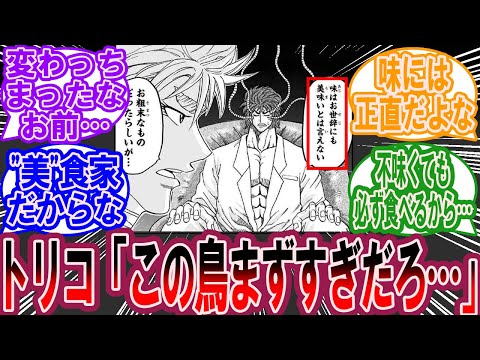
In the anime Toriko, a scene featuring gourmet hunters rejecting an unpalatable bird with the line “This tastes awful! I can’t eat this!” has become iconic for its extreme character reactions. This moment reveals how the series treats food not merely as sustenance, but as a fundamental expression of human values and life philosophy.
- What Happened
- Why It Matters
- Background
- Key Points
- Comparative Analysis: Toriko vs. Other Food-Themed Anime
- Animation and Direction Techniques
- Psychological Mechanisms Behind Viewer Engagement
- Audience Reception and Online Response
- The Absolute Standard of Taste
- Broader Implications for Anime and Media
- Recommended Viewing Approach
- Personal Reflection and Philosophical Questions
- Conclusion
What Happened
In a memorable scene from the Toriko anime, multiple gourmet hunter characters—including the protagonist Toriko, Komatsu, and Cocoa—react with intense disgust to a bird that fails to meet their culinary standards. The scene is characterized by dramatic facial expressions, exaggerated sound effects, and visual effects that emphasize the bird’s unpalatability. This moment serves as a comedic yet philosophically significant scene that encapsulates the series’ central theme: the absolute importance of taste and food quality in the lives of its characters.
Why It Matters
This scene exemplifies how Toriko differs fundamentally from other food-themed anime. While series like Food Wars focus on cooking competition and personal growth, Toriko treats food as an existential pursuit. The gourmet hunters’ passionate rejection of inferior food reflects a deeper philosophical stance: that taste is an absolute value standard by which life itself should be measured. This approach resonates with viewers because it elevates food from mere consumption to a profound expression of personal identity and integrity. The scene demonstrates how animation can convey character philosophy through exaggerated physical comedy, making abstract values tangible and emotionally compelling.
Background
Toriko began its anime adaptation in 2011, introducing audiences to a world where gourmet hunters pursue rare and exceptional ingredients across dangerous landscapes. The series draws inspiration from traditional Japanese culinary philosophy, particularly the concept of pursuing perfection in taste—a principle central to crafts like sushi-making and kaiseki cuisine. Unlike typical shonen anime where food appears as background elements, Toriko places food at the narrative center, making it the primary driver of character motivation and plot development. The gourmet hunters’ unwavering commitment to taste excellence reflects a cultural appreciation for the Japanese concept of “mottainai” (avoiding waste) combined with an uncompromising pursuit of quality.
Key Points
- The gourmet hunters’ reaction to bad food is not mere comedy but a reflection of their core philosophy: taste is an absolute value standard
- Each character’s reaction reveals their individual approach to food—Toriko seeks adventure through rare ingredients, while Komatsu emphasizes respect for food itself
- The scene employs specific animation techniques including extreme facial expressions, distinctive sound design, and color shifts to convey the intensity of the characters’ disgust
- Toriko distinguishes itself from other food-themed anime by treating food as a life pursuit rather than a means to competition or personal growth
- The scene generates viewer empathy through psychological mechanisms: personal experience projection, value confirmation, and vicarious catharsis
- Online reactions reveal that the scene influences viewers’ real-world attitudes toward food and consumption
Comparative Analysis: Toriko vs. Other Food-Themed Anime
| Series | Role of Food | Character Reactions | Central Theme |
|---|---|---|---|
| Toriko | Life itself | Absolute and intense | Adventure and life philosophy through food pursuit |
| Food Wars | Means of competition | Strategic and competitive | Growth and victory through cooking |
| Solitary Gourmet | Daily joy | Introspective and meditative | Self-discovery through food |
| One Piece (food scenes) | Expression of relationships | Intimate and emotional | Bonds between companions |
Animation and Direction Techniques
The production team employed several specific techniques to convey the intensity of the gourmet hunters’ reactions:
- Extreme facial expressions: Characters’ faces shift dramatically from anticipation to despair, emphasizing emotional stakes
- Sound design: Distinctive audio effects underscore the unpalatability of the food
- Background color shifts: Visual palette changes reflect character emotional states
- Multiple reaction shots: Showing several characters’ simultaneous responses emphasizes the universal nature of their judgment
These techniques, while employed in other anime such as JoJo’s Bizarre Adventure and Attack on Titan, are uniquely specialized in Toriko to emphasize food-related content, creating stronger viewer engagement.
Psychological Mechanisms Behind Viewer Engagement
The scene’s popularity among fans stems from several psychological factors. First, viewers project their own experiences onto the characters—everyone has encountered disappointing food, and the gourmet hunters’ exaggerated reactions express this universal frustration in amplified form. Second, the scene allows viewers to confirm their own food values by understanding and accepting the gourmet hunters’ standards. Third, viewers experience vicarious catharsis: in daily life, reacting intensely to food is socially unacceptable, but watching animated characters do so provides emotional release. These mechanisms are not unique to Toriko but are particularly effective here because they operate through the universally relatable element of food consumption.
Audience Reception and Online Response
Analysis of social media responses reveals predominantly positive reception. On Twitter, viewers frequently comment that the scene’s humor and execution inspire them to adopt a more serious attitude toward food. YouTube comments often express desires to become gourmet hunters themselves, indicating that the series influences viewers’ real-world perspectives. Some viewers humorously note that they would fail the gourmet hunters’ standards, demonstrating that audiences understand and engage with the series’ value system. A minority of critical responses argue that character reactions are exaggerated, reflecting differing viewer philosophies about food’s role in life. This diversity of interpretation suggests that the scene successfully communicates its core message while remaining open to multiple readings.
The Absolute Standard of Taste
Central to understanding this scene is recognizing that in Toriko’s world, taste functions as an absolute value standard in ways that differ from typical anime. While most series evaluate food through multiple criteria—nutritional value, appearance, cooking technique—Toriko ultimately reduces all judgment to a single metric: taste. This philosophical commitment connects to traditional Japanese culinary culture, where master craftspeople dedicate entire lifetimes to perfecting taste. The gourmet hunters embody this tradition, making their rejection of inferior food not a casual complaint but a profound statement: this ingredient is unworthy of a gourmet hunter’s life pursuit. The line “This tastes awful! I can’t eat this!” therefore carries philosophical weight—it represents a refusal to compromise on the standards that define the characters’ existence.
Broader Implications for Anime and Media
The evolution of food-themed anime over the past 15 years reveals a progression: early 2000s series focused on culinary knowledge and technique; mid-2010s works incorporated food into competition and survival narratives; recent series like Toriko connect food to personal philosophy and ethical values. Toriko occupies a unique position by treating taste as an existential absolute. This approach demonstrates how anime can use exaggerated character reactions to explore abstract philosophical concepts. The scene’s effectiveness lies in its ability to make viewers question their own relationship with food consumption—not through didactic messaging, but through entertaining, emotionally resonant storytelling. This technique has proven influential, with viewers reporting genuine changes in their real-world food attitudes after watching the series.
Recommended Viewing Approach
To fully appreciate this scene and the series, viewers should adopt the “gourmet hunter perspective.” This means approaching food as an experience rather than mere nutrition. Watching Toriko sequentially from episode one allows viewers to understand character philosophies and motivations, which deepens appreciation for later scenes. Paying close attention to food animation details—color, texture, light reflection—reveals why characters react so intensely. Comparing Toriko with Food Wars highlights the series’ unique approach to food as life philosophy rather than competition. Finally, applying gourmet hunter principles to real-world food choices can enhance both the viewing experience and daily life satisfaction.
Personal Reflection and Philosophical Questions
The scene raises important questions about food’s role in human life. While Toriko presents an uncompromising standard of taste, real-world food carries additional dimensions: cultural significance, creator intention, historical context, and emotional association. A more nuanced gourmet philosophy might ask not simply “Is this delicious?” but “What can this food teach me?” and “What story does it carry?” The gourmet hunters’ absolute rejection of inferior food, while entertaining, may overlook the value in understanding why food fails to meet standards and what that failure reveals. This tension between Toriko’s uncompromising aesthetic and a more inclusive culinary philosophy creates productive space for viewer reflection on their own values.
Conclusion
The scene of gourmet hunters rejecting bad food in Toriko succeeds as both comedy and philosophy. It entertains through exaggerated reactions while simultaneously exploring serious questions about value, standards, and life purpose. The scene’s enduring popularity demonstrates that audiences respond powerfully to media that elevates everyday experiences—in this case, eating—to philosophical significance. By treating taste as an absolute standard and food pursuit as a legitimate life goal, Toriko invites viewers to reconsider their own relationships with consumption and quality. Whether viewers ultimately adopt the gourmet hunters’ uncompromising standards or use the series as a starting point for their own food philosophy, the scene accomplishes its purpose: making viewers think more deeply about what they eat and why it matters.