▶ Watch the original YouTube video
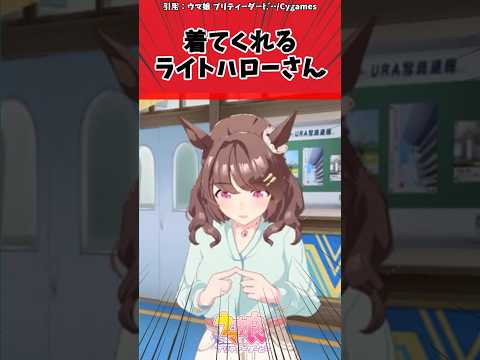
How Trainers React to Light Halo’s Outfit Changes: The Psychology Behind Uma Musume’s Costume System
Uma Musume Pretty Derby’s costume system has become far more than a cosmetic feature—it represents a sophisticated psychological mechanism that deepens player attachment to characters. Analysis of trainer reactions to Light Halo’s outfit selections reveals how game design leverages bidirectional character interaction to drive engagement and emotional investment.
- What Happened
- Why It Matters
- Background
- Key Points
- Comparative Analysis: Costume Systems Across Games
- Perspectives
- The Psychology of Light Halo’s Popularity in Costume Content
- Evolution of Fan Engagement: From Traditional Fandom to Interactive Relationships
- Community Reactions and Shared Experience
- Future Developments and Industry Implications
- Practical Recommendations for Players
- Insights
What Happened
Uma Musume Pretty Derby’s costume selection system has generated significant trainer engagement, particularly around character Light Halo. Unlike traditional costume systems in other games that merely change visual appearance, Uma Musume’s implementation features active character responses—dialogue, animations, and reactions that vary based on outfit selection. This bidirectional interaction creates a psychological experience where trainers perceive their costume choices as meaningful communication with the character, rather than simple cosmetic changes.
Why It Matters
The costume system exemplifies modern game design’s evolution toward deeper player-character relationships. Understanding how this system functions psychologically reveals broader trends in mobile gaming engagement strategies. For players, recognizing these mechanisms enables more conscious decision-making about spending. For the industry, Uma Musume demonstrates how character reactivity can significantly enhance retention and monetization without compromising player experience. The system’s success suggests that future games will increasingly prioritize interactive character systems over static cosmetic options.
Background
Uma Musume Pretty Derby, developed by Cygames, is a character-breeding simulation game featuring over 100 characters based on famous racehorses. The game’s costume system allows trainers to purchase and equip outfits for their characters. What distinguishes Uma Musume from competitors like Granblue Fantasy and Fate/Grand Order is the depth of character response to outfit changes. When a trainer selects a costume, the character acknowledges the choice through unique dialogue and animations tailored to that specific outfit’s theme.
Light Halo, a character defined by elegance and refinement, has become particularly notable in community discussions about costume selection. Her character design creates substantial variation in personality and demeanor depending on outfit choice—from formal wear to casual clothing—making her an ideal subject for analyzing how costume systems influence trainer psychology.
Key Points
- Bidirectional Interaction Model: Unlike competitor games, Uma Musume’s costume system creates the perception that characters actively respond to trainer choices, establishing a two-way relationship rather than one-directional customization.
- Psychological Reward Layers: Costume selection triggers multiple simultaneous psychological responses: aesthetic satisfaction, ownership fulfillment, character affection expression, and community status confirmation.
- Character-Specific Design: Light Halo’s baseline personality traits—elegance and sophistication—create substantial room for variation through costume selection, making her responses more dramatic and emotionally impactful than characters with narrower personality ranges.
- Engagement Cycle: The system creates a five-stage psychological cycle: costume purchase decision, outfit application, character response confirmation, emotional satisfaction, and social media sharing impulse.
- Comparative Advantage: Analysis of similar systems in Idolmaster Cinderella Girls, Fate/Grand Order, and Granblue Fantasy shows Uma Musume prioritizes character reactivity more thoroughly than predecessors, resulting in higher emotional engagement.
- Monetization Integration: Regular costume releases create recurring psychological motivation for continued spending, as trainers desire to experience each new outfit’s unique character reactions.
Comparative Analysis: Costume Systems Across Games
| Game Title | Costume System Features | Character Response | Player Psychological Impact |
|---|---|---|---|
| Idolmaster Cinderella Girls | Visual appearance changes only | Limited (specific dialogue only) | Moderate |
| Fate/Grand Order | Outfit changes via craft essences | Minimal (visual focus) | Low to Moderate |
| Granblue Fantasy | Skin system for appearance modification | Limited responses | Moderate |
| Uma Musume Pretty Derby | Costume selection with active character response | Comprehensive (dialogue, animations, contextual reactions) | High |
Perspectives
Player Engagement Perspective: From the trainer’s viewpoint, costume selection represents an evolution of fan engagement beyond traditional merchandise collection. The ability to see a beloved character respond positively to outfit choices creates a sense of reciprocal relationship that deepens emotional investment. Community discussions reveal that trainers frequently share outfit selection moments on social media, indicating that the experience holds value beyond individual gameplay.
Game Design Perspective: Uma Musume’s costume system implements psychological principles of reciprocal interaction—humans form stronger emotional bonds with entities that respond to their actions than with passive objects. By programming character reactions that acknowledge trainer choices, the system creates the illusion of genuine relationship, which research in psychology demonstrates increases player retention and spending.
Economic Perspective: The costume system functions as a sophisticated monetization mechanism. By releasing new costumes regularly and ensuring each triggers unique character responses, Cygames creates recurring motivation for spending. The psychological satisfaction of witnessing a character’s positive reaction to a new outfit often overrides economic rationality, leading to impulse purchases.
Critical Perspective: While the costume system enhances engagement, it raises concerns about manipulative design practices. The system’s psychological sophistication may encourage excessive spending by leveraging emotional attachment to characters. Players should recognize that the character’s apparent gratitude for outfit purchases is programmed response, not genuine preference.
The Psychology of Light Halo’s Popularity in Costume Content
Light Halo’s prominence in costume selection discussions stems from her character design’s compatibility with outfit variation. Her baseline personality—elegant, refined, and sophisticated—provides substantial room for dramatic personality shifts when wearing different costume themes. A casual outfit creates stark contrast with her usual demeanor, while formal wear reinforces her baseline characteristics. This range of expression makes her costume selections particularly engaging for trainers seeking visible character transformation.
In comparison, characters with narrower personality ranges show less dramatic changes across different outfits, resulting in fewer compelling content opportunities. Light Halo’s design essentially maximizes the costume system’s psychological impact by ensuring that outfit selection produces noticeable character evolution.
Evolution of Fan Engagement: From Traditional Fandom to Interactive Relationships
Uma Musume’s costume system represents a fundamental shift in how players engage with beloved characters. Traditional fan activities—merchandise collection, event attendance, fan art creation—remain one-directional expressions of affection. The costume system introduces bidirectional interaction: trainers invest in characters through purchases, and characters respond with acknowledgment and apparent gratitude.
This evolution follows a five-stage psychological cycle: economic decision (costume purchase), action execution (outfit application), response confirmation (character reaction observation), emotional reward (satisfaction from perceived reciprocation), and social validation (community sharing). Each stage reinforces the previous one, creating a self-sustaining engagement loop.
The system’s effectiveness lies in its ability to satisfy multiple psychological needs simultaneously. Trainers experience aesthetic pleasure from costume design, ownership satisfaction from limited-edition acquisition, affection expression through character investment, and social status confirmation through community recognition of their dedication.
Community Reactions and Shared Experience
Social media analysis reveals diverse trainer responses to costume selection mechanics. Twitter discussions frequently feature impulsive spending confessions—trainers admitting they immediately purchased costumes upon seeing character reactions. This indicates that psychological motivation from character response can override planned spending decisions.
Simultaneously, trainers express decision paralysis when faced with extensive costume options, suggesting the system has matured to the point where abundance creates new challenges. Specific costume-character combinations generate passionate community discussion, with trainers debating which outfit best suits each character’s personality.
YouTube comments consistently request more costume selection content, indicating that trainers value observing character reactions as entertainment content separate from gameplay. This suggests the costume system has transcended its original function as a customization tool to become a form of media consumption.
Future Developments and Industry Implications
Based on Cygames’ historical design patterns, two developments appear likely: first, costume diversity will increase with more nuanced outfit options that express character individuality; second, costume selection may eventually influence gameplay mechanics—selected outfits potentially affecting character statistics or available skills, transforming costumes from purely cosmetic to strategically meaningful.
Industry-wide, the success of Uma Musume’s costume system suggests that future games will increasingly prioritize character reactivity over static customization. The trend toward interactive character systems reflects broader player preference for meaningful engagement over superficial cosmetics.
Practical Recommendations for Players
For new players, costume selection should be understood as character relationship-building rather than mere appearance modification. Taking time to observe character reactions and dialogue after costume application significantly enhances psychological satisfaction and game enjoyment.
For dedicated fans, strategic costume selection based on character concept alignment yields greater long-term satisfaction than impulse purchases. Choosing outfits that authentically express character personality creates deeper engagement than pursuing every limited-edition release.
Sharing costume selection experiences on social media amplifies community connection and provides meaningful interaction with other trainers. This social dimension transforms individual gameplay into collective experience.
Comparing Uma Musume’s costume system with alternatives in Idolmaster Cinderella Girls and Granblue Fantasy provides perspective on how different design approaches affect player psychology. This comparative understanding enables more informed appreciation of Uma Musume’s specific design choices.
Insights
Uma Musume Pretty Derby’s costume system represents a watershed moment in game design philosophy. By implementing character reactivity as a core system rather than peripheral feature, Cygames demonstrated that perceived reciprocal relationships drive deeper engagement than cosmetic customization alone. The system’s psychological sophistication—leveraging aesthetic satisfaction, ownership fulfillment, affection expression, and social validation simultaneously—creates engagement that transcends traditional game mechanics.
Light Halo’s prominence in community discussions illustrates how character design compatibility with system mechanics amplifies psychological impact. Characters whose personality ranges accommodate dramatic variation through costume selection generate more compelling engagement than those with narrow personality profiles.
The five-stage engagement cycle—decision, execution, confirmation, satisfaction, sharing—creates self-reinforcing motivation for continued spending. Players experience psychological rewards that justify economic investment, while the regular release of new costumes maintains perpetual motivation for engagement.
However, this sophistication raises important considerations about player autonomy and spending awareness. The system’s psychological effectiveness means trainers should consciously recognize how character reactivity influences purchasing decisions. Understanding the mechanism enables more intentional engagement rather than impulse-driven spending.
Ultimately, Uma Musume’s costume system exemplifies how modern game design can create meaningful player-character relationships through interactive systems. The success of this approach suggests that future games will increasingly prioritize bidirectional interaction over passive customization, fundamentally reshaping how players engage with beloved characters.