▶ Watch the original YouTube video
Why We Can’t Stop Collecting Character Merchandise: The Psychology Behind Fandom Culture
A viral video about collecting Maise character figures and merchandise has sparked renewed interest in understanding why fans become compulsive collectors. Drawing on 15 years of personal fandom experience and market analysis, this article explores the psychological mechanisms, industry evolution, and social dynamics that drive modern fan culture and merchandise collecting behavior.
What Happened
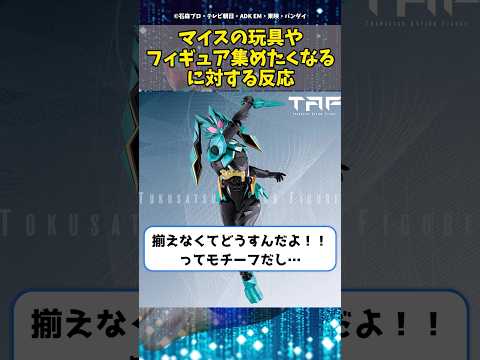
A YouTube Shorts video featuring Maise character figures and merchandise has generated significant viewer engagement, with audiences expressing strong urges to collect related items. The video has become emblematic of a broader cultural shift in how fans express their passion for characters through physical goods, sparking discussions about the nature of modern fandom and consumer behavior.
Why It Matters
Character merchandise collecting has evolved from a niche hobby into mainstream culture over the past five years. What was once viewed as obscure “otaku” behavior is now recognized as a legitimate form of self-expression and community participation. Understanding the psychological and economic drivers behind this trend reveals important insights about consumer motivation, emotional fulfillment, and the role of social media in shaping modern leisure activities. The phenomenon also raises important questions about sustainable consumption and mental health in the digital age.
Background
The character merchandise market has experienced explosive growth since 2013. The anime goods market alone expanded from approximately 50 billion yen in 2013 to over 100 billion yen by 2023. This growth has been driven by three major factors: advances in manufacturing technology that reduced production costs, more flexible licensing arrangements that allowed manufacturers to create diverse product lines, and the rise of social media culture that transformed merchandise collecting into a shareable, community-based activity.
The term “oshi-katsudou” (fan support activity) has become mainstream only in the last five years, replacing older stigmatized terminology. This linguistic shift reflects broader social acceptance of fandom as a legitimate lifestyle choice rather than a fringe hobby.
Key Points
- Dopamine-Driven Collecting: The urge to collect character merchandise is rooted in the brain’s reward system. Initial contact with a character triggers emotional attachment, and subsequent exposure to related merchandise automatically activates purchasing desires through dopamine reinforcement.
- The “First Item” Effect: The first merchandise purchase is critical. It signals to the brain that the character is a priority, establishing a psychological framework that drives subsequent purchases of related items.
- Completion Psychology: Once collectors acquire one item, they experience an innate desire to complete the series. This psychological phenomenon, known as the “need for closure,” compels fans to acquire all available variants and related products.
- Price Democratization: Modern merchandise ranges from 100 yen to 5,000 yen, compared to 5,000-10,000 yen in the 2010s. Lower entry barriers have dramatically expanded the collector base and normalized merchandise spending.
- Social Media Integration: Sharing merchandise on social platforms has become central to modern fandom. Collecting is no longer purely personal consumption—it’s a form of community participation and identity expression.
- Evolution of Motivation: Fan motivation has shifted from pure ownership desires (2011-2015) to emotional expression (2015-2020) to community belonging (2020-present). Merchandise collecting now serves as a primary mechanism for social connection among fans.
Timeline
- 2011: Author’s initial character merchandise collecting begins with a Homura figure from “Puella Magi Madoka Magica.” Fandom culture remains stigmatized; merchandise collecting is viewed as obscure otaku behavior.
- 2013: Anime merchandise market valued at approximately 50 billion yen. Manufacturing costs remain high; quality figures typically cost 5,000-10,000 yen.
- 2015-2020: Gradual shift in social perception. “Oshi-katsudou” (fan support activity) begins gaining mainstream recognition. Merchandise collecting transitions from ownership-focused to emotion-focused motivation.
- 2019: “Demon Slayer” anime release demonstrates the power of character merchandise appeal. Author’s personal spending on related merchandise exceeds 20,000 yen monthly.
- 2020-Present: “Oshi-katsudou” becomes mainstream culture. Merchandise collecting is now widely accepted as legitimate self-expression. Price democratization accelerates; quality figures available at 2,000-3,000 yen. Social media integration becomes central to fandom identity.
- 2023: Anime merchandise market exceeds 100 billion yen. Digital merchandise and metaverse-based collecting begin emerging as new frontiers.
Perspectives
The Psychological Perspective: From a neuroscience standpoint, character merchandise collecting activates the brain’s reward pathways through a four-stage process: initial contact, emotional bonding, merchandise-triggered reward reinforcement, and completion-driven acquisition. This mechanism is identical to established dopamine reward systems and explains why collecting behavior often feels automatic and difficult to control.
The Market Perspective: The merchandise industry has deliberately engineered collecting behavior through product diversification, price point variation, and limited-edition scarcity tactics. Manufacturers now offer hundreds of product variants—from figures and acrylic stands to cosmetics and apparel—creating multiple entry points and continuous purchasing opportunities.
The Social Perspective: Modern fandom has transformed from isolated individual consumption into community-based identity expression. Social media platforms have made merchandise collecting visible, shareable, and socially rewarding. Collecting is now a primary mechanism for demonstrating group membership and receiving social validation from fellow fans.
The Critical Perspective: Online discussions reveal growing concerns about excessive consumption, financial strain, and psychological dependency. Some users report anxiety about missing limited-edition releases and difficulty managing spending within healthy budgets. Mental health professionals have begun noting cases where merchandise collecting contributes to financial hardship or emotional distress.
Insights
Character merchandise collecting represents far more than simple consumer behavior—it is a sophisticated form of emotional expression and identity construction. The compulsion to collect Maise figures and similar merchandise stems from fundamental human psychological needs: the desire to express love through tangible objects, the need to belong to communities of shared interest, and the satisfaction of completing collections.
The evolution from stigmatized “otaku hobby” to mainstream “fan support activity” reflects broader cultural shifts in how society values emotional expression and community participation. What was once hidden is now celebrated, enabling millions of people to openly express their passions and connect with others who share their interests.
However, this normalization also brings challenges. The psychological mechanisms driving collecting behavior—dopamine rewards, completion urges, social validation—can lead to unsustainable consumption patterns. The democratization of merchandise pricing, while expanding accessibility, has simultaneously reduced psychological barriers to excessive spending.
The future of fandom culture will likely involve further diversification into digital merchandise, NFTs, and metaverse-based collecting, alongside continued expansion of physical product lines. The key to sustainable fandom participation lies in conscious awareness of personal spending patterns, clear budget boundaries, and recognition that merchandise collecting, while psychologically rewarding, should enhance rather than dominate one’s life.
Ultimately, the appeal of collecting Maise merchandise reflects a universal human desire: to transform abstract emotions into concrete, displayable objects that communicate our values and identities to ourselves and our communities. Understanding this psychology helps fans engage with their hobbies more intentionally and sustainably.