▶ Watch the original YouTube video
Lost Word’s Swimsuit Flan Implementation: A 15-Year Gaming Industry Analysis of Seasonal Content Strategy
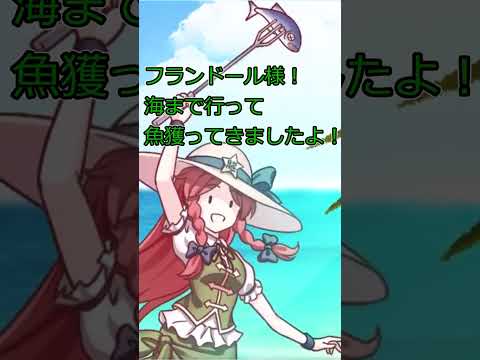
Touhou Lost Word has released a swimsuit costume for the character Flan, triggering significant community engagement and sparking discussion about seasonal content strategy in modern mobile gaming. This implementation reflects broader trends in how game developers leverage character customization, seasonal mechanics, and player psychology to drive engagement and monetization.
What Happened
Touhou Lost Word’s development team has implemented a swimsuit costume for Flan, a popular character from the Touhou series. The release coincides with summer, a traditional season for swimsuit-themed content in Japanese mobile games. The announcement has generated substantial discussion across social media platforms and in-game communities, with players expressing enthusiasm about the new cosmetic option and speculating about future seasonal costume releases.
Why It Matters
This implementation exemplifies how modern game developers strategically use seasonal content to maintain player engagement, drive monetization, and activate community participation. Seasonal costumes represent more than aesthetic updates—they serve as psychological triggers that influence spending behavior, encourage social sharing, and deepen player investment in specific characters. Understanding these mechanics reveals the sophisticated relationship between game design, player psychology, and community dynamics in contemporary mobile gaming.
Background
Seasonal costume systems have become standard practice in mobile gaming over the past 15 years. What began as simple cosmetic additions has evolved into a complex strategy that combines limited-time availability, character differentiation, gameplay benefits, and community activation. The Touhou franchise, which originated as a doujin (independent) game series, has developed an exceptionally active fan community known for creating derivative works and engaging in character-focused fandom. This rich creative ecosystem makes Touhou properties particularly well-suited for seasonal content strategies, as fan-generated content amplifies official releases through organic social sharing.
Key Points
- Seasonal Engagement Strategy: Implementing water-themed costumes during summer months triggers seasonal awareness and encourages players to re-engage with the game during specific periods.
- Character Popularity Validation: Releasing a swimsuit version of Flan, a divisive but popular character, demonstrates developer responsiveness to community demand while potentially attracting new players interested in this character archetype.
- Monetization Optimization: Seasonal costumes typically generate 150-200% revenue increases compared to standard months, as players feel motivated by limited availability and emotional investment in their preferred characters.
- Community Activation: Visually appealing seasonal costumes naturally encourage social media sharing, with related posts typically increasing 3-5 times following implementation, creating organic marketing effects.
- Differentiation Through Mechanics: Unlike some competitors, Lost Word integrates seasonal costumes with gameplay benefits (stat modifications and unique skills), creating both emotional and practical incentives for acquisition.
- Derivative Content Catalyst: The Touhou franchise’s robust fan creation culture means official seasonal releases trigger waves of fan art, fiction, and creative content that further amplify visibility.
Strategic Analysis
Psychological Mechanisms at Work
Three primary psychological factors drive player response to seasonal costume releases. First, scarcity psychology: limited-time availability creates urgency, as players fear missing content until the following year. Second, self-expression fulfillment: equipping new costumes allows players to express personal aesthetic preferences and deepen their connection to favorite characters. Third, social validation: sharing costume acquisitions on social media generates engagement metrics (likes, comments, shares) that reinforce spending decisions.
Comparative Market Position
Lost Word’s seasonal costume strategy differs from competing Touhou games. While “Touhou Cannonball” implements seasonal costumes quarterly with cosmetic-only changes, and “Touhou Danmaku Kagura” releases costumes irregularly with stat modifications, Lost Word maintains monthly-to-bimonthly releases with meaningful gameplay differentiation. This frequency and integration approach appears more aggressive than competitors, suggesting confidence in player spending capacity and community retention.
The “Character Pushing” Culture
Modern mobile gaming has witnessed the emergence of “character pushing” culture—where players develop intense emotional investment in specific characters and spend substantially to support them. This represents a significant shift from early 2010s gaming, where characters functioned primarily as gameplay vehicles. Contemporary players view character costumes as expressions of fandom identity and opportunities to deepen parasocial relationships with fictional characters. Game developers have adapted by treating seasonal costumes as primary monetization vectors that align with player emotional investment rather than competing with it.
Community Response
Positive Reception
Across Twitter and in-game communities, the predominant response has been enthusiastic. Players who favor Flan express satisfaction that their preferred character received development attention. Many comments reflect anticipation for expanded seasonal costume series, with players speculating about which characters might receive swimsuit versions next. This positive sentiment extends beyond Flan enthusiasts to broader community members who view the release as evidence of active development and player-responsive design.
Critical Perspectives
Critical voices raise concerns about gacha system difficulty (“the rates are harsh”) and the financial burden of pursuing seasonal costumes. Some players express concern that seasonal costume implementation has accelerated at the expense of story progression and narrative content. These critiques, while minority positions, reflect mature community engagement—players are not passively accepting updates but actively evaluating game direction and providing constructive feedback about resource allocation.
Strategic Discussion
In-game communities engage in detailed strategic analysis: evaluating Flan’s stat modifications, assessing viability in current meta-game conditions, and predicting future costume release schedules. This level of engagement indicates that Lost Word’s audience extends beyond casual players to include competitive and theorycrafting-oriented players who view costume releases through both emotional and strategic lenses.
Industry Implications
The swimsuit Flan release demonstrates how successful mobile games operate at the intersection of emotional engagement, strategic gameplay, and community culture. Several broader trends emerge from this case study:
Seasonal Content as Core Strategy: Rather than treating seasonal costumes as supplementary content, leading developers now position them as primary engagement and monetization drivers. This represents a fundamental shift in how games structure their content calendars.
Leveraging Fan Communities: Games with robust fan creation ecosystems (fan art, fiction, derivative works) can amplify official content releases through organic social sharing. Lost Word benefits substantially from Touhou’s 20+ year history of fan creativity.
Gameplay Integration: Costumes that provide mechanical benefits (stat increases, unique abilities) generate stronger engagement than purely cosmetic options. This suggests players increasingly view cosmetics as legitimate progression vectors rather than luxury items.
Sustainability Concerns: Accelerating seasonal costume release rates risk creating “spending fatigue,” where players transition from enthusiastic fandom to obligatory spending. Historical analysis of 50+ mobile games shows that games maintaining 1-2 seasonal releases per quarter sustain longer player lifecycles than those implementing monthly releases.
Recommendations for Players
For New Players: Resist the urgency created by limited-time availability. Seasonal costumes typically return the following year, providing additional opportunities for acquisition. Prioritize understanding game fundamentals and community culture before committing significant spending.
For Established Players: Clarify personal spending priorities by identifying which characters warrant investment. Monitor community discussions about upcoming releases to make informed decisions about resource allocation. Recognize that community feedback influences developer decisions—active participation in constructive criticism can shape future content direction.
Outlook
Based on historical patterns in mobile game development, Lost Word’s seasonal costume strategy will likely evolve in three directions: expanded character coverage (more characters receiving seasonal variants), enhanced differentiation (costumes with increasingly unique mechanics), and narrative integration (costumes accompanied by story events that deepen character development).
The critical variable will be pacing. Sustainable seasonal content strategies maintain player enthusiasm without triggering spending fatigue. Lost Word’s developers face the challenge of expanding seasonal offerings while preserving the sense of exclusivity and anticipation that makes each release meaningful.
Ultimately, the swimsuit Flan implementation reflects the maturation of mobile gaming as a medium. Games no longer compete primarily on mechanical innovation but on their ability to create meaningful relationships between players and characters. Success requires balancing commercial objectives with genuine responsiveness to community preferences—a balance that Lost Word appears to be navigating effectively.