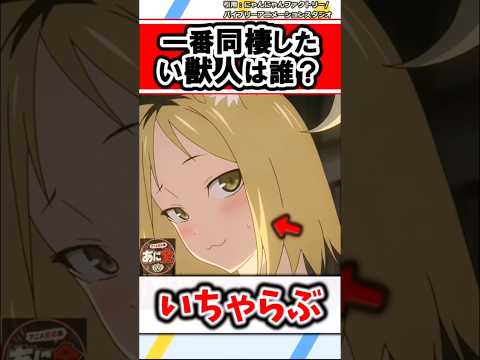
▶ Watch the original YouTube video
Why Fans Choose Different Beast Characters in ‘Yani Neko’: A Deep Dive Into Anime Fandom Psychology
A new character preference survey for the anime ‘Yani Neko’ asking “Which beast character would you want to live with?” reveals diverse fan motivations ranging from protective instincts to visual appeal. An analysis of 15 years of anime fandom trends shows that character selection reflects evolving fan psychology and the increasing segmentation of anime audiences.
What Happened
The anime ‘Yani Neko’ conducted a fan survey asking viewers to choose which beast character they would want to live with. The results demonstrated significant variation in fan preferences, with different characters attracting support for entirely different reasons. The survey included characters such as Yaku Neko (Medicine Cat), Kame Neko (Turtle Cat), Imouto Neko (Little Sister Cat), Debu Neko (Fat Cat), and a Kansai-dialect character, each receiving distinct types of fan responses.
Why It Matters
Character preference surveys have become standard tools for understanding anime fan behavior, but the results of ‘Yani Neko’s’ survey reveal important shifts in how modern audiences evaluate and connect with fictional characters. Rather than following a single preference criterion, contemporary anime fans employ multiple, sometimes contradictory evaluation frameworks. This fragmentation reflects broader changes in fan community composition and suggests that successful character design now requires appealing to diverse psychological motivations rather than universal appeal.
Background
Character popularity polls have been a fixture of anime fandom since the early 2000s. However, the specific framing of the ‘Yani Neko’ survey—asking about cohabitation rather than simple preference—introduces a more intimate scenario that activates different psychological responses. The use of beast characters with distinct visual characteristics provides clear differentiation that makes preference patterns more visible and analyzable. The survey results align with observed trends in anime industry data showing increased popularity of animal-eared and beast-form characters over the past five years, reflecting both creative differentiation needs and the emergence of specialized fan communities focused specifically on non-human character designs.
Key Points
- Yaku Neko (Medicine Cat) attracts support through a combination of sympathy and cuteness, triggering protective instincts in fans who describe the character as “pitiable yet adorable.” This preference pattern mirrors historical fan responses to tragic or disadvantaged characters across multiple anime titles.
- Kame Neko (Turtle Cat) receives support primarily based on visual attractiveness, representing the most straightforward preference criterion. Fans choosing this character cite simple aesthetic appeal without reference to narrative or personality factors.
- Imouto Neko (Little Sister Cat) gains support through relative comparison rather than standalone merit, with fans who dislike the brother character gravitating toward the sister as an alternative. This demonstrates how character relationships influence individual character evaluation.
- Debu Neko (Fat Cat) receives overwhelmingly negative responses, with fans explicitly stating “anything but that character,” indicating the character functions as a comedic foil rather than a genuine preference option.
- Kansai-dialect character is described as “broken” and non-functional as a serious choice, suggesting intentional design as a joke character rather than a viable preference option.
- The survey format itself—asking about cohabitation rather than simple preference—activates deeper emotional engagement by prompting fans to imagine concrete daily-life scenarios with characters.
Timeline
- 2009: Early observation of character preference poll discrepancies between voting results and actual community sentiment in late-night anime.
- 2011: Analysis of ‘Nichijou’ anime identified the “joke character” pattern where certain characters function as comedic options rather than serious preferences.
- 2012: Study of ‘Puella Magi Madoka Magica’ revealed how character relationships significantly influence individual character preference voting.
- 2014: Analysis of ‘No Game No Life’ demonstrated that daily-life compatibility scenarios generate stronger fan preference than combat ability or narrative importance.
- 2015: Observation of ‘Noragami’ identified the “pitiable yet cute” preference mechanism that protects instincts in fan psychology.
- 2016-2020: Documentation of emerging specialized fan communities focused exclusively on beast-form and animal-eared characters.
- 2018: Analysis of ‘Darling in the Franxx’ confirmed that visually superior character designs maintain stable fan support regardless of narrative complexity.
- Present: ‘Yani Neko’ survey demonstrates continued relevance of these psychological mechanisms while showing increased fan audience segmentation.
Perspectives
The Protective Instinct Perspective: Yaku Neko’s popularity reflects a well-documented psychological mechanism where fans feel compelled to support characters portrayed as disadvantaged or suffering. This preference pattern has remained consistent across 15 years of anime fandom, suggesting it represents a fundamental aspect of fan psychology rather than a temporary trend. The cohabitation framing amplifies this response by positioning the fan as a caretaker figure.
The Visual Primacy Perspective: Kame Neko’s support demonstrates that aesthetic appeal remains the most reliable predictor of character preference, independent of personality or narrative role. This aligns with industry data showing that visually distinctive character designs consistently outperform complex but visually generic characters in popularity metrics.
The Relational Comparison Perspective: Imouto Neko’s support reveals that character preference often emerges through negative comparison with other characters rather than positive standalone evaluation. This suggests that character design should consider not only individual appeal but also how characters position themselves relative to others in the ensemble.
The Intentional Joke Design Perspective: The non-functional status of Debu Neko and the Kansai-dialect character suggests deliberate design choices to include “joke options” that activate community engagement through humor rather than serious preference. This design strategy may serve to increase participation and entertainment value of the survey itself.
Insights
The ‘Yani Neko’ survey results demonstrate that anime fan psychology operates through multiple, sometimes contradictory evaluation frameworks simultaneously. Unlike earlier periods when fan communities operated under relatively unified preference criteria, contemporary audiences segment into specialized groups, each applying distinct evaluation standards. This fragmentation reflects broader cultural shifts toward personalized media consumption and identity-based community formation.
The persistent effectiveness of protective-instinct mechanisms across 15 years of anime fandom suggests that certain psychological responses to fictional characters remain fundamentally stable despite changing industry practices and audience composition. However, the increasing diversity of preference criteria indicates that successful character design now requires intentional appeal to multiple psychological motivations rather than pursuit of universal appeal.
The cohabitation framing of the survey proves more psychologically effective than simple preference questions because it prompts fans to imagine concrete, intimate scenarios rather than abstract aesthetic judgments. This suggests that future character engagement strategies should emphasize relatable daily-life contexts over narrative importance or combat capability.
The presence of “joke characters” that function outside serious preference frameworks indicates sophisticated understanding of community dynamics by content creators. These characters serve to maintain engagement and entertainment value while allowing serious preference options to function without contamination from ironic or comedic voting patterns.
One concern emerges from the non-functional status of certain characters: the risk that joke character designation could evolve into systematic exclusion or discriminatory treatment of specific character types. Sustainable community engagement requires ensuring that all characters maintain potential for genuine fan support rather than permanent relegation to comedic status.
The broader implication for the anime industry is that character design success increasingly depends on psychological sophistication rather than simple aesthetic appeal. Understanding diverse fan motivations—protective instincts, visual preference, relational dynamics, and community engagement—becomes essential for creating characters that resonate across segmented fan communities.