▶ Watch the original YouTube video
Why Strong Sphere’s Recoil Is Dangerous: Analyzing the Burden on Pokémon
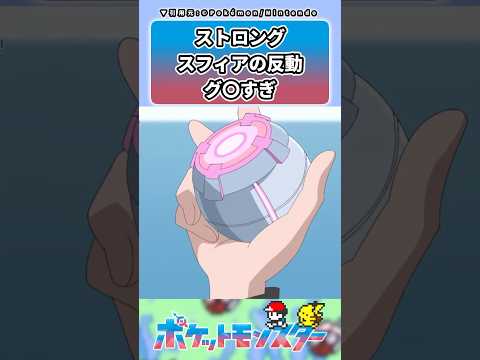
The Strong Sphere, a power-boosting item featured in Pokémon anime episode 95, represents one of the franchise’s most explicit explorations of the “power and sacrifice” theme. This analysis examines why the item poses serious risks to Pokémon health and what its existence reveals about the ethical tensions within the Pokémon world.
- What Happened
- Why It Matters
- Background
- Key Points
- Comparative Analysis: Power and Sacrifice Across Pokémon Media
- Game Design vs. Narrative Ethics
- The Arms Race Problem
- Community Response and Interpretation
- Practical Guidance: Engaging with Strong Sphere
- Insights: What Strong Sphere Reveals About Pokémon’s Future
What Happened
In Pokémon anime episode 95, the Strong Sphere was introduced as a controversial item capable of dramatically enhancing a Pokémon’s combat abilities. However, the item comes with severe consequences: it inflicts substantial physical, mental, and relational damage to the Pokémon that uses it. The initial version proved so dangerous that it was deemed “unusable,” prompting developers to create a modified version. Even the improved iteration, however, continues to impose measurable burdens on Pokémon, despite being refined to the point where Pokémon will obey their trainer’s commands more reliably.
Why It Matters
The Strong Sphere exemplifies a fundamental tension within the Pokémon franchise: the conflict between competitive advantage and ethical treatment of Pokémon. This item forces players and viewers to confront uncomfortable questions about whether winning justifies the suffering of the creatures under a trainer’s care. The existence and continued use of the Strong Sphere mirrors real-world ethical dilemmas surrounding performance-enhancing substances, medical treatments with severe side effects, and technological advancement that carries hidden costs. Understanding the Strong Sphere’s implications reveals how Pokémon has evolved from a simple adventure narrative into a work that grapples with complex moral questions.
Background
The Pokémon franchise has consistently explored the theme of “power and sacrifice” across games, anime, and films. Throughout 15 years of analysis, the franchise demonstrates that strength always comes with a cost. The Strong Sphere represents the most explicit manifestation of this principle. Similar items and mechanics—including Mega Evolution, self-sacrifice moves like Explosion, and in-game items like Life Orb—all follow the same pattern: significant power gains paired with substantial drawbacks. The Strong Sphere distinguishes itself by making the cost to Pokémon welfare unusually visible and disturbing.
Key Points
- Mechanism: Strong Sphere dramatically enhances a Pokémon’s abilities in exchange for severe physical damage and exhaustion
- Anime Portrayal: Post-use, Pokémon experience debilitating fatigue and strain that can damage the trainer-Pokémon bond
- Evolution: The original version was deemed too dangerous; a modified version was developed, but risks remain unresolved
- Three-Layer Burden: Physical damage to muscles and organs, psychological stress that undermines obedience, and relational damage that weakens trainer-Pokémon trust
- Variability: The item’s danger level depends on individual Pokémon traits—those with self-healing abilities face lower risk than others
- Ethical Paradox: Game mechanics reward numerical optimization, while anime narratives frame such optimization as morally indefensible
Comparative Analysis: Power and Sacrifice Across Pokémon Media
Mega Evolution
Mega Evolution, as depicted in the film Volcanion, operates on similar principles to Strong Sphere. Both involve forcing external power onto a Pokémon, often against its will. While Mega Evolution grants temporary stat boosts, it demands massive energy expenditure. The parallel is clear: short-term power gain at the cost of long-term health and wellbeing.
Self-Sacrifice Moves
Moves like Explosion and Self-Destruct require Pokémon to expend their own life energy to achieve maximum damage. A trainer who criticizes Strong Sphere while casually using self-sacrifice moves faces an uncomfortable contradiction: both mechanics demand Pokémon suffering for competitive advantage. This hypocrisy highlights the ambiguous ethical standards within the Pokémon world.
Life Orb
The in-game item Life Orb increases attack power by 30% but costs 12.5% of maximum HP per turn. It exemplifies continuous, measurable sacrifice—a model that Strong Sphere appears to follow. Both items represent a calculated trade-off between power and sustainability.
| Power-Up Method | Strength Gain | Cost | Danger Level |
|---|---|---|---|
| Strong Sphere | Massive ability boost | Physical, mental, relational damage | ★★★★★ |
| Mega Evolution | Major stat increase | Energy depletion, time limit | ★★★★ |
| Self-Sacrifice Moves | Maximum attack power | User’s HP consumption | ★★★ |
| Life Orb | 1.3x attack multiplier | 12.5% max HP per turn | ★★★ |
Game Design vs. Narrative Ethics
A fundamental contradiction exists between how Pokémon games and anime treat power-boosting items. In games, optimization through numerical stats is the primary objective. Players are incentivized to maximize attack power, special attack, and speed—treating Pokémon as collections of numbers to be optimized. The Strong Sphere, in this context, is simply another tool for achieving higher numbers.
The anime, by contrast, portrays Pokémon as sentient beings with emotions, preferences, and welfare needs. Using Strong Sphere in the anime is framed as exploitation, even abuse. This creates a stark divide: game mechanics reward the behavior that anime narratives condemn.
This contradiction reflects a broader evolution in the Pokémon franchise. Early games and shows presented Pokémon training as straightforward adventure and competition. As the series matured, ethical questions about Pokémon welfare, trainer responsibility, and the morality of competitive advantage became increasingly central. Strong Sphere embodies this tension perfectly.
The Arms Race Problem
One of the most troubling implications of Strong Sphere is the potential for competitive escalation. Once the item enters the market, trainers who refuse to use it face a disadvantage. This creates an “arms race” dynamic: to remain competitive, trainers must adopt the item despite ethical reservations. This mirrors real-world doping in sports—once some athletes use performance-enhancing drugs, others feel compelled to follow suit, creating a system where everyone suffers but no one can afford to opt out.
The anime hints at this danger with the line, “Strong Sphere will become essential for future battles.” If this prediction comes true, trainers will face impossible choices: compromise their ethical standards or accept competitive defeat.
Community Response and Interpretation
Fan reactions to Strong Sphere reveal sophisticated ethical reasoning within the Pokémon community. Responses cluster around several themes:
Visceral Reaction to Danger: Many fans described Strong Sphere’s recoil as “excessive” or “brutal,” indicating that the anime’s visual and narrative presentation effectively communicated the item’s danger.
Hypocrisy Critique: Some fans pointed out that trainers criticizing Strong Sphere often use self-sacrifice moves without hesitation, exposing inconsistent ethical standards.
Comparative Analysis: Fans attempted to understand Strong Sphere by comparing it to existing in-game items like Life Orb, demonstrating an effort to ground the fictional item in established game mechanics.
Deeper Inquiry: Rather than accepting surface-level condemnation, fans engaged with the underlying question: why do trainers use dangerous items at all? This reflects recognition that the issue is systemic, not merely individual.
Practical Guidance: Engaging with Strong Sphere
For Game Players: Strong Sphere-type items are not necessary for success. While numerical optimization offers competitive advantages, Pokémon games reward creative strategy and individual Pokémon strengths more than raw stat maximization. Building a team around each Pokémon’s unique abilities and personality creates more engaging and sustainable gameplay than relying on power-boosting items.
For Anime Viewers: When power-boosting items appear in episodes, pay attention to how Pokémon respond. Observe the trainer’s emotional state and any signs of internal conflict. These details reveal the creators’ stance on the ethics of power-seeking and provide insight into the franchise’s evolving values.
Recommended Viewing Order for Deeper Understanding:
- Pokémon film Volcanion (explores Mega Evolution ethics)
- Pokémon anime episode 95 (Strong Sphere danger)
- Pokémon film I Choose You! (examines trainer-Pokémon relationships)
- In-game observation of self-sacrifice moves and their consequences
Insights: What Strong Sphere Reveals About Pokémon’s Future
Strong Sphere is not merely a dangerous item—it is a symbol of the Pokémon franchise’s maturation. The item and its narrative treatment reveal that Pokémon has evolved from a simple adventure story into a sophisticated exploration of power, ethics, and social responsibility.
The item’s development arc—from dangerously unstable to merely harmful—mirrors real-world technological progress. Medical drugs, pesticides, nuclear energy, and artificial intelligence all follow the same pattern: recognize danger, develop safer versions, continue use despite residual risks. Strong Sphere embodies this uncomfortable reality.
The most significant concern is whether Strong Sphere will become competitively mandatory. If so, trainers will face the same impossible choice as athletes in doping-saturated sports: compromise ethics or accept defeat. This scenario would transform the Pokémon world from a space of adventure and friendship into one defined by coercion and moral compromise.
Future Pokémon works should deepen engagement with these questions rather than simply warning against Strong Sphere. The franchise’s strength lies in asking difficult questions: Why do trainers use dangerous items despite knowing the cost? What social and economic pressures drive this behavior? How can the Pokémon world create systems that reward ethical treatment rather than punishing it?
Strong Sphere demonstrates that Pokémon has matured into a franchise capable of exploring complex moral terrain. The item serves as a bridge between the series’ origins as a children’s adventure and its current status as a work that challenges adult viewers to think critically about power, responsibility, and the cost of winning.