▶ Watch the original YouTube video
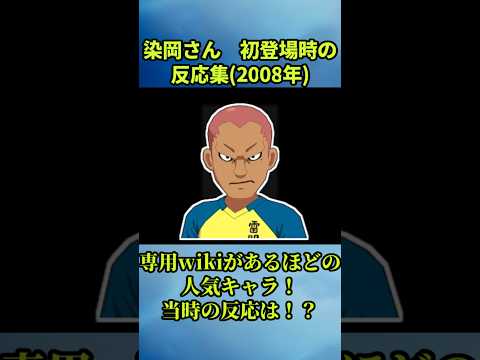
When Inazuma Eleven launched in 2008, the character Someoka Ryugo sparked heated debate among players and fans. Analysis of contemporary online forums reveals that his unconventional design—combining a delinquent appearance with emotional depth—represented a deliberate narrative strategy that challenged player expectations and ultimately redefined character development in sports games.
What Happened
Upon Inazuma Eleven’s release in 2008, Someoka Ryugo immediately became a polarizing character within the gaming community. Early player reactions on 2channel (2ch), Japan’s largest online forum, were sharply divided. Some players dismissed his intimidating appearance and deep voice as unsuitable for a middle school character, while others recognized his design as intentionally subversive. As players progressed through the game’s narrative, initial skepticism transformed into appreciation, with many citing Someoka’s story arc as emotionally resonant and unexpectedly moving.
Why It Matters
Someoka’s reception illustrates a sophisticated character design philosophy that would later become standard in anime and gaming. The deliberate use of initial player discomfort—through unconventional appearance, voice acting choices, and gameplay mechanics—created a foundation for narrative subversion. This approach proved remarkably effective at generating emotional investment and challenging audience preconceptions. Understanding this strategy provides insight into how modern entertainment media constructs character arcs and manages audience expectations, a technique now employed in major franchises including Attack on Titan and Demon Slayer.
Background
Inazuma Eleven launched as a Nintendo DS soccer game in 2008, combining sports gameplay with character-driven storytelling. The game featured a diverse cast of middle school soccer players, each with unique abilities and personal narratives. Someoka Ryugo was positioned as a goalkeeper with distinctive visual characteristics: a rough, delinquent-like appearance that contrasted sharply with typical protagonist archetypes. His voice actor delivered deliberately mature, emotionally expressive performances that emphasized dramatic moments—a technique fans termed “泣き袋” (crying bag), referring to the actor’s distinctive emotional delivery. The game’s narrative structure emphasized character development through both gameplay progression and story sequences, allowing players to witness character growth across multiple dimensions.
Key Points
- Visual Dissonance: Someoka’s intimidating appearance—frequently described as “scary” or “old man-like” by players—created immediate cognitive dissonance with his role as a middle school character, generating initial resistance and skepticism.
- Voice Acting as Character Definition: The voice actor’s distinctive emotional delivery became inseparable from the character’s identity, with players recognizing the mature vocal performance as intentional characterization rather than miscasting.
- Gameplay Mechanics Debate: Players engaged in detailed analysis of Someoka’s special move acquisition speed, Dragon Crush technique effectiveness, and limited goalkeeper techniques, debating whether these mechanics represented balance or design intent.
- Narrative Arc Appreciation: As players progressed, many experienced a dramatic shift in perception, with Someoka’s story becoming a highlight of their gaming experience despite—or because of—initial reservations.
- Comparative Character Analysis: Players drew parallels to established character archetypes, particularly Piccolo from Dragon Ball Z, recognizing a pattern of initial antagonism or alienation followed by character rehabilitation and popularity.
- Late-Game Diminishment Criticism: Some players noted that Someoka’s prominence decreased in later story sequences, with his combination techniques becoming less effective and his role diminishing relative to other characters.
Timeline
- 2008 (Game Release): Inazuma Eleven launches on Nintendo DS; players encounter Someoka for the first time and express mixed reactions regarding his appearance and voice.
- Weeks 1-2 Post-Launch: Initial negative reactions dominate online forums, with players questioning character design choices and gameplay balance.
- Weeks 3-4 Post-Launch: As players progress through the narrative, sentiment begins shifting; story-focused players report emotional investment in Someoka’s character arc.
- Pre-Anime Launch Period: Discourse evolves to include comparative analysis with other character archetypes and detailed gameplay mechanics discussion.
- 2008-2009 (Anime Adaptation): The anime series provides alternative narrative perspective, emphasizing psychological development over gameplay mechanics.
Perspectives
The Skeptical Player Perspective: Initial critics focused on design inconsistency, questioning why a middle school character possessed such a mature, intimidating appearance. These players viewed the voice acting as excessive and the gameplay mechanics as unbalanced, with Someoka acquiring special moves too quickly compared to other characters. Their concerns centered on aesthetic coherence and fair game design.
The Design-Appreciative Perspective: More experienced players recognized Someoka’s unconventional design as intentional subversion. They drew parallels to established character archetypes—particularly Piccolo’s transformation from antagonist to beloved character—and understood the design strategy as creating narrative impact through expectation violation. These players viewed the mature voice acting as sophisticated characterization rather than miscasting.
The Narrative-Focused Perspective: Players who prioritized story over mechanics reported profound emotional responses to Someoka’s character arc. Many described initial skepticism transforming into deep appreciation, with some characterizing the experience as unexpectedly moving. This group viewed the initial design dissonance as enhancing rather than detracting from the narrative impact.
The Gameplay Analysis Perspective: Competitive and mechanically-focused players engaged in detailed analysis of Someoka’s effectiveness within specific tactical contexts. Rather than dismissing him as simply “strong” or “weak,” they recognized his Dragon Crush technique’s particular utility—specifically its effectiveness against most goalkeeper techniques—as representing specialized rather than generalized power.
Insights
Someoka Ryugo’s controversial reception in 2008 reveals a deliberate narrative design strategy that has since become industry standard. The character’s initial dissonance—created through visual design, voice performance, and gameplay mechanics—functioned not as a failure but as a strategic foundation for subsequent character development. This approach demonstrates sophisticated understanding of audience psychology: by establishing low initial expectations, the creators enabled dramatic perception shifts through narrative progression.
The transformation of player sentiment from skepticism to appreciation illustrates what might be termed “expectation-violation narrative design.” Rather than presenting characters who immediately conform to audience expectations, this strategy introduces characters who challenge preconceptions, creating cognitive dissonance that narrative progression resolves. This technique proves remarkably effective at generating emotional investment because it requires active reinterpretation rather than passive consumption.
The diversity of player responses—ranging from continued skepticism to profound emotional engagement—indicates that the strategy succeeded not through universal appeal but through creating space for multiple interpretive frameworks. Players could maintain critical perspectives on design choices while simultaneously appreciating narrative execution. This multiplicity of valid interpretations enhanced rather than diminished the character’s cultural impact.
Someoka’s legacy extends beyond Inazuma Eleven. The character design philosophy he represents—using initial alienation as narrative foundation—became increasingly prevalent in subsequent major franchises. Attack on Titan’s unconventional protagonist design, Demon Slayer’s subversion of typical hero archetypes, and numerous other successful series employ similar strategies. Someoka thus represents not merely a divisive character but a historical inflection point in entertainment media design philosophy.
The 2008 fan reactions also reveal the analytical sophistication of gaming communities. Rather than engaging in purely emotional evaluation, players conducted detailed mechanical analysis, comparative literary study, and narrative structure critique. This intellectual engagement transformed what might have been simple character preference into substantive design discourse, demonstrating that fan communities function as genuine critical communities capable of sophisticated media analysis.