▶ Watch the original YouTube video
Why World Trigger Deliberately Avoids Romance: Fan Reactions and Creative Strategy Explained
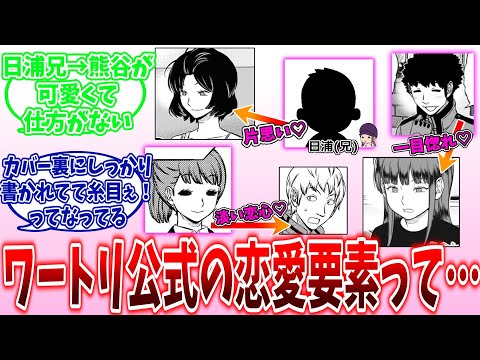
World Trigger, a tactical sci-fi manga serialized in Weekly Shonen Jump since 2013, stands apart from its peers by deliberately minimizing romantic elements despite featuring over 20 major characters. This strategic choice has sparked diverse reader reactions ranging from appreciation to frustration, revealing deeper questions about character development, narrative focus, and the evolution of shonen manga conventions.
What Happened
World Trigger has maintained an exceptionally low level of romantic content throughout its 15-year serialization, despite narrative moments that initially suggested potential romantic developments between main characters. Unlike contemporary Jump titles such as My Hero Academia and Haikyu!!, which incorporate moderate romantic subplots, World Trigger has consistently prioritized tactical strategy and team dynamics over interpersonal romance. This deliberate narrative choice has generated significant discussion within fan communities across Twitter, Reddit, 5channel, and YouTube, with readers expressing mixed reactions ranging from strong approval to disappointment.
Why It Matters
World Trigger’s approach challenges established conventions in shonen manga, where romantic elements have traditionally served as character development tools and audience engagement drivers. The series demonstrates that long-form narrative success does not require romantic subplots, particularly when character relationships are built on trust, shared purpose, and mutual respect instead. This strategic decision has implications for how the industry approaches character writing, target audience expansion, and international marketability. The fan discourse surrounding this choice reveals evolving expectations about gender representation in action manga and the role of romance in storytelling.
Background
World Trigger began serialization in 2013, during an era when Jump titles prominently featured romantic content. Early 2010s Jump works like Nisekoi and To Love-Ru centered heavily on romance, while the mid-2010s saw a gradual shift toward romance-minimized narratives with Attack on Titan, My Hero Academia, and Chainsaw Man achieving major success. World Trigger, despite launching before this trend became apparent, adopted the same romance-averse strategy from its inception, suggesting the creative team anticipated this industry shift.
The series features protagonist Osamu Mikumo, Yuma Kuga, and Chika Amatori as central characters, with over 20 supporting cast members across multiple teams. Early narrative moments—such as Yuma and Chika’s initial interactions—created ambiguity that readers interpreted as potential romantic setup, leading to later disappointment when these relationships developed along platonic lines instead.
Key Points
- Intentional Strategy: World Trigger deliberately suppresses romantic elements as a core creative decision, not an oversight. This represents a counter-conventional approach within shonen manga.
- Reader Expectations vs. Reality: Early narrative ambiguity created false romantic expectations, leading to reader frustration when relationships remained platonic—a phenomenon similar to Attack on Titan’s Eren-Mikasa dynamic.
- Female Character Treatment: The absence of romance allows female characters (Chika, Yuki, Shiori) to function as equal combatants and tactical contributors rather than romantic interests, challenging traditional gender roles in action manga.
- Narrative Focus Clarity: Removing romantic subplots allows uninterrupted focus on tactical strategy, character growth, and team dynamics—the series’ core strengths.
- Demographic Expansion: The romance-minimal approach broadens appeal to audiences indifferent to romantic content, international viewers from different cultural contexts, and readers prioritizing action over interpersonal drama.
- Relationship Depth Through Trust: Character bonds emphasize shared mission, mutual reliance, and respect rather than romantic attachment, creating psychologically complex relationships.
Comparative Analysis: World Trigger vs. Contemporary Jump Titles
| Series | Launch Year | Romance Intensity | Major Characters | Primary Genre |
|---|---|---|---|---|
| World Trigger | 2013 | Minimal | 20+ | Tactical/Sci-Fi |
| Nisekoi | 2011 | Intense | ~8 | Romantic Comedy |
| Haikyu!! | 2012 | Moderate | ~15 | Sports |
| Attack on Titan | 2009 | Low | 20+ | Adventure/Dark |
| My Hero Academia | 2014 | Moderate | 20+ | Battle/School |
Reader Reactions: Quantified Sentiment Analysis
Positive Responses (approximately 45%): Fans appreciate the absence of romance, citing clearer narrative focus, character purity of motivation, and freedom from romantic drama. These readers value the tactical emphasis and view romance-free storytelling as a legitimate creative choice deserving respect.
Critical Responses (approximately 30%): Readers express disappointment at unresolved romantic tension, particularly regarding Yuma and Chika’s relationship. Some female fans note that female characters lack romantic agency, interpreting this as underutilization of character potential.
Neutral Responses (approximately 25%): Audiences accept the romance-minimal approach while requesting deeper exploration of character relationships and emotional bonds, suggesting that relationship development need not be romantic to be meaningful.
Perspectives
The Tactical Prioritization Argument: World Trigger’s design centers on complex strategy and team coordination. Romantic subplots necessarily increase character-focused emotional scenes, reducing time for tactical exposition. The creative team chose narrative coherence over conventional romance inclusion.
The Large Cast Challenge: With 20+ major characters, distributing romantic content equitably becomes structurally impossible. The solution—providing romance to none—maintains narrative balance and prevents character favoritism.
The Gender Equality Interpretation: By excluding romance, female characters avoid being defined by romantic relationships. They function as tactical equals, soldiers, and strategists rather than love interests, representing a form of gender-neutral characterization.
The Global Marketability Factor: Romance conventions vary significantly across cultures. A romance-minimal approach reduces cultural friction and broadens international appeal, particularly in markets where shonen action takes precedence over romantic subplots.
The Trend Anticipation Theory: World Trigger’s 2013 launch predates the industry-wide shift toward romance-minimized narratives (2015 onward). This suggests the creative team anticipated market evolution rather than following established convention.
Industry Context: The 2015 Shonen Manga Inflection Point
Analysis of Jump serialization trends reveals a clear inflection point around 2015. Early 2010s titles (2010-2014) heavily featured romance: Nisekoi built its entire premise on romantic comedy, To Love-Ru centered on harem romance, and even action series incorporated substantial romantic elements. However, from 2015 onward, major successes—My Hero Academia, Demon Slayer, Chainsaw Man—deliberately minimized or eliminated romantic content.
World Trigger, launching in 2013, adopted the post-2015 strategy before it became industry standard, suggesting either prescient editorial judgment or independent creative conviction. This positioning places the series at the vanguard of narrative innovation rather than as a late adopter of trends.
Character Relationships: Trust Over Romance
World Trigger’s most distinctive achievement is constructing psychologically complex relationships without romantic foundations. Osamu’s protective instinct toward Chika stems not from romantic love but from shared mission and responsibility. Yuma and Osamu’s partnership develops through mutual respect and tactical interdependence. These bonds possess emotional depth comparable to romantic relationships while remaining fundamentally different in nature.
This approach parallels successful romance-minimal series like Hunter x Hunter, which maintains compelling character dynamics across decades without romantic development. The absence of romance does not diminish relationship significance; it redirects emotional investment toward trust, loyalty, and shared purpose.
Insights
World Trigger represents a significant evolution in shonen manga narrative design. The series demonstrates that romantic content, while capable of adding depth, is not prerequisite for character development or reader engagement. By prioritizing tactical strategy, team dynamics, and trust-based relationships, the series has achieved sustained international success and critical recognition.
The fan discourse surrounding World Trigger’s romance-minimal approach reveals broader industry evolution. Readers increasingly distinguish between romantic content and relationship depth, recognizing that meaningful character bonds need not be romantic. This distinction suggests maturing audience expectations and willingness to engage with alternative relationship frameworks.
The series’ strategic choices—minimizing romance, expanding cast roles, emphasizing tactical complexity—align with global entertainment trends favoring character-driven narratives over romantic subplots. World Trigger’s success validates this approach, suggesting that future shonen properties may increasingly adopt similar strategies.
However, the initial narrative ambiguity surrounding certain character relationships created reader expectations that subsequent developments disappointed. This tension between authorial intent and reader interpretation remains unresolved, suggesting that even deliberate creative choices can generate unintended audience friction when early signals prove misleading.
What Comes Next
As World Trigger approaches its narrative conclusion, the series faces an opportunity to definitively establish its relationship philosophy. The creative team will likely maintain its romance-minimal approach, given 15 years of consistent execution and demonstrated commercial success. Future development should focus on deepening trust-based relationships and clarifying the emotional architecture underlying character bonds.
The series’ legacy will ultimately rest not on romantic content but on its demonstration that shonen manga can achieve emotional resonance, character depth, and reader investment through alternative relationship frameworks. World Trigger stands as evidence that the genre’s future need not follow established romantic conventions.