▶ Watch the original YouTube video
How Fujoshi and Fujidanshi Express Fandom Differently: A Deep Dive Into Fan Culture Psychology
A viral video comparing how female and male anime fans react to the same content has sparked widespread discussion about the fundamental differences in how fan communities engage with their favorite characters. Drawing on 15 years of otaku culture observation, this analysis reveals that these differences reflect deeper psychological motivations rooted in creativity versus direct consumption.
What Happened
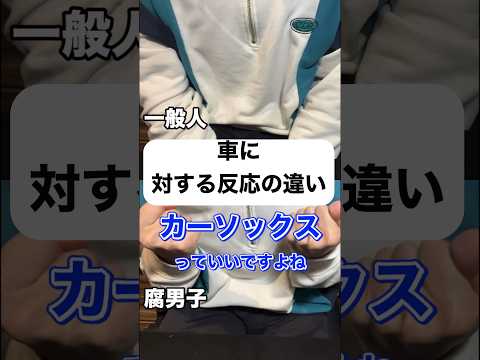
A video has gained attention for illustrating the contrasting approaches that fujoshi (female BL fans) and fujidanshi (male fans) take when engaging with fan culture. Using a car as a visual metaphor, the video demonstrates how the same object triggers entirely different psychological responses and fan behaviors between these two groups. The video has prompted extensive online discussion about the nature of fan engagement and what drives different types of fandom participation.
Why It Matters
Understanding these differences in fan engagement provides insight into how online communities form, how creative expression manifests in digital spaces, and how different personality types derive satisfaction from fandom. This distinction is particularly relevant as fan culture continues to grow and evolve across platforms like YouTube, Twitter, and streaming services. The analysis helps fans better understand their own motivations and engagement patterns, while also providing a framework for understanding the diversity within fan communities.
Background
Fujoshi culture emerged in the 1970s when female fans of manga series like “Saint Seiya” and “Captain Tsubasa” began creating fan fiction exploring character relationships not explicitly shown in official works. This creative practice evolved into a distinct subculture centered on imaginative storytelling and second-hand creation. Fujidanshi culture, by contrast, became prominent more recently with the expansion of the VTuber industry, where male fans focused on directly consuming and appreciating individual streamer personalities. The distinction between these two approaches reflects fundamentally different ways of deriving satisfaction from fan engagement.
Key Points
- Fujoshi Focus: Emphasize character relationships and dynamics, using creative imagination to generate original narratives and fan fiction based on gaps in official content
- Fujidanshi Focus: Prioritize individual character personality and appeal, seeking direct engagement with and consumption of their favorite character’s traits and choices
- Creative vs. Consumptive: Fujoshi engagement is fundamentally creative and generative, while fujidanshi engagement is primarily consumptive and observational
- The Car Metaphor: When viewing a character with a car, fujoshi imagine narratives and conversations within that space, while fujidanshi analyze what the car choice reveals about the character’s personality and taste
- Relationship vs. Individuality: Fujoshi prioritize “who the character interacts with,” while fujidanshi prioritize “what makes the character unique”
- Equal Depth: Despite different approaches, both groups achieve similarly profound levels of fan engagement and satisfaction
Timeline
- 1970s: Fujoshi culture emerges with fan fiction based on popular manga series
- 2009: Observer begins formal study of fujoshi culture and fan engagement patterns
- 2013–2019: Analysis of fan communities around major anime series including “Attack on Titan” and “Demon Slayer”
- 2016: “Yuri!!! on Ice” becomes notable example of anime designed with narrative ambiguity that encourages creative fan interpretation
- 2018 onwards: VTuber industry expansion creates prominent fujidanshi culture centered on individual streamer personalities
- Present: Hybrid fan engagement models emerge combining both creative and consumptive approaches
Perspectives
The video’s framework presents a clear binary distinction between fujoshi and fujidanshi approaches, which resonates with many fans seeking to understand their own engagement patterns. Online reactions show that many fans found this categorization helpful for self-understanding, with comments like “I finally understand what type of fan I am.” However, critics argue that the distinction oversimplifies the reality of modern fandom. Many fans report engaging in both approaches simultaneously—consuming individual character appeal while also imagining character relationships. This suggests that contemporary fan culture is more fluid and hybrid than a strict binary allows. The VTuber community particularly demonstrates this blending, where fans simultaneously appreciate individual streamer personalities while creating imaginative narratives around streamer interactions and relationships.
Insights
The distinction between fujoshi and fujidanshi represents more than a simple gender-based preference difference. It reflects two fundamentally different psychological approaches to fan engagement: one rooted in creative generation and one rooted in direct appreciation. Fujoshi culture, with its emphasis on narrative creation and relationship exploration, represents a form of participatory storytelling that extends and complements official works. Fujidanshi culture, with its focus on individual personality and direct consumption, represents a form of appreciation closer to traditional celebrity fandom.
Importantly, both approaches have equal cultural and psychological value. The creative output of fujoshi communities—including fan fiction, fan art, and collaborative narratives—often achieves artistic depth comparable to or exceeding original works. Meanwhile, the observational intensity of fujidanshi engagement drives community discussion and sustained interest in individual creators.
As fan culture continues to evolve, particularly with the rise of interactive platforms and direct creator-fan engagement, these two approaches are increasingly merging. Modern fans often employ both strategies, consuming individual creator content while simultaneously imagining and discussing character relationships and dynamics. This hybrid approach suggests that fan culture is becoming more sophisticated and multifaceted, combining the creative generativity of traditional fujoshi culture with the direct engagement of fujidanshi culture. Understanding both approaches is essential for comprehending contemporary online communities and how digital culture creates meaning and connection.