▶ Watch the original YouTube video
How Gentildonna’s Fairy-Like Charm Captivates Uma Musume Trainers: A Deep Analysis of Fan Psychology
A viral video compilation showcasing trainer reactions to Gentildonna, a character in Uma Musume Pretty Derby, reveals deeper psychological mechanisms behind modern fan culture. Drawing from 15 years of anime and gaming fandom experience, this analysis explores why this particular character’s ethereal design and voice acting create such intense emotional responses in the gaming community.
What Happened
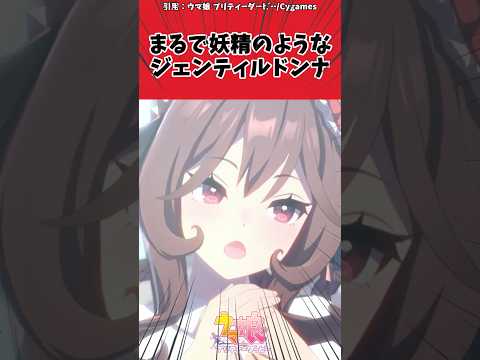
A YouTube video compilation featuring trainer reactions to Gentildonna, a character from Uma Musume Pretty Derby, has garnered significant attention within the gaming community. The video showcases multiple players expressing emotional responses to the character’s appearance, animations, and voice acting. Rather than typical character appreciation content, these reactions reveal a phenomenon where Gentildonna’s design and characterization trigger what fans describe as a “fairy-like” quality that distinguishes her from other characters in the game.
Why It Matters
This phenomenon reflects broader trends in modern fan culture and game design psychology. Understanding why certain characters resonate so deeply with audiences provides insight into how developers strategically craft character designs to create emotional connections. The Gentildonna case study demonstrates how visual design, voice acting, narrative restraint, and game mechanics combine to create what fans perceive as a transcendent character experience. This has implications for how the gaming industry approaches character development and community engagement.
Background
Uma Musume Pretty Derby is a mobile game that anthropomorphizes famous racehorses as characters. Gentildonna, based on the real racehorse of the same name known for her elegance and grace, was implemented into the game with a distinctive design philosophy. Her character design employs soft color palettes—whites, pale purples, and light pinks—combined with refined animations that emphasize graceful movements. The character’s voice acting employs vocal restraint, with fewer lines than typical characters, creating an impression of emotional depth through silence and subtle expression. This combination creates what players describe as a “fairy-like” or ethereal quality that sets her apart within the game’s roster.
Key Points
- Visual Design Strategy: Gentildonna’s soft color palette and refined animations create a visual impression of elegance and ethereal beauty, deliberately contrasting with other character archetypes in the game
- Voice Acting Restraint: The character’s voice actress employs vocal minimalism, allowing silence and subtle emotional expression to convey depth rather than relying on extensive dialogue
- Psychological Appeal: The character embodies qualities of mystery, emotional distance, and perceived perfection that trigger a human desire to understand and protect, rather than simply admire
- Community Resonance: Multiple trainers’ reactions converge on similar emotional responses, creating a collective cultural phenomenon rather than isolated fan appreciation
- Interactive Gameplay Element: Unlike passive character appreciation in anime, Uma Musume’s breeding and racing mechanics create a relationship dynamic where players actively nurture the character’s growth
- Character Authenticity: The design reflects research into the real racehorse’s actual characteristics, creating a sense of authentic representation that deepens emotional investment
Timeline
- 2013: Kancolle’s initial popularity establishes modern fan culture patterns of emotional investment in game characters
- 2015: Charlotte anime airs, featuring similar ethereal character design that influences subsequent character archetypes
- 2016: Re:Zero introduces Emilia, establishing the “distant perfection” character archetype in mainstream gaming
- 2018: Uma Musume Pretty Derby launches, introducing a new paradigm combining character appreciation with active gameplay mechanics
- 2019: Fate Grand Order demonstrates successful voice acting as character psychology expression
- 2021 onwards: Uma Musume implements deliberate character archetype diversification, establishing Gentildonna as the “fairy-type” category
Perspectives
Fan Community Perspective: Trainers express that Gentildonna represents an ideal combination of visual beauty, emotional depth, and mysterious personality. The character’s restraint and distance create a desire to understand her more deeply, transforming passive appreciation into active engagement. Many describe the experience as spiritually meaningful, with specific animations or voice lines becoming focal points for emotional expression.
Game Design Perspective: Developers deliberately created Gentildonna as a distinct character archetype to serve niche fan preferences within the broader player base. The strategic voice casting, animation direction, and narrative restraint represent intentional design choices aimed at creating emotional resonance. This approach acknowledges that modern fan culture has diversified beyond traditional character archetypes, requiring developers to offer varied emotional experiences.
Critical Perspective: Some community members express concern that excessive “sanctification” of particular characters may create unhealthy fan dynamics, including dismissal of criticism and potential hostility toward other characters. This perspective emphasizes the importance of maintaining healthy boundaries between appreciation and obsession.
Comparative Analysis
Gentildonna shares ethereal qualities with characters from other media but maintains distinct characteristics. Angel Beats’ Angel character embodies mystery and transcendence but functions as an antagonist rather than an ally. Charlotte’s Yuki Tomoe conveys fragility and requires protection, whereas Gentildonna maintains agency and independence. Re:Zero’s Emilia represents distant perfection as a romantic interest, while Gentildonna functions as a character the player actively develops. The critical distinction is that Gentildonna combines ethereal qualities with interactive gameplay mechanics, creating a relationship dynamic rather than passive admiration.
Industry Trends
The gaming industry has increasingly recognized fan culture diversification over the past five years. Rather than pursuing a single “ultimate character,” modern players cultivate multiple character preferences, each serving different emotional needs. Gentildonna represents the industry’s response to demand for “fairy-type” characters—ethereal, mysterious, and emotionally distant figures that trigger protective and understanding impulses. This trend reflects broader shifts in how games approach character design as a psychological tool rather than simple aesthetic choice.
Practical Guidance for New Players
Story Revisiting: Players seeking to understand Gentildonna’s appeal should rewatch her main story, paying particular attention to dialogue restraint and the emotions conveyed through silence. Each viewing reveals new layers of meaning in seemingly simple exchanges.
Active Cultivation: Breeding and racing Gentildonna in-game creates relationship dynamics impossible in passive media consumption. Observing her response patterns during training reveals psychological depth that enriches appreciation.
Related Media: Watching Charlotte, Angel Beats, and Clannad provides cultural context for understanding the “fairy character” archetype and its evolution across different media formats.
Community Response
Social media platforms show predominantly positive reactions to Gentildonna. Twitter posts frequently express emotional responses to specific animations or voice lines, with many describing the character as spiritually meaningful. Discussion forums present more critical perspectives, noting that Gentildonna’s popularity may overshadow other characters. YouTube comments emphasize emotional impact, with viewers describing tears and profound appreciation for the character’s design. This spectrum of responses demonstrates that while Gentildonna resonates deeply with many players, the character also generates discussion about healthy fan engagement boundaries.
Insights
The Gentildonna phenomenon reveals that modern fan engagement transcends simple character appreciation. Instead, it represents a sophisticated psychological response to carefully crafted design elements working in concert. The character’s success demonstrates that restraint—in color palette, dialogue, and emotional expression—can create deeper emotional resonance than abundance. This challenges conventional wisdom that more content and interaction necessarily create stronger fan connections.
The interactive nature of Uma Musume’s gameplay transforms fan relationships from passive admiration to active partnership. Players don’t simply appreciate Gentildonna; they nurture her growth, creating genuine relationship dynamics that deepen emotional investment. This represents an evolution in how games can leverage character design psychology.
The collective nature of the Gentildonna response—where multiple players converge on similar emotional interpretations—suggests that certain design choices tap into universal human psychology. The desire to understand mysterious, distant, and seemingly perfect beings appears to be a fundamental human impulse that transcends individual preference.
However, this intensity also carries risks. As fan communities grow around particular characters, there exists potential for “sanctification” that discourages critical engagement or creates hostility toward alternative perspectives. The Gentildonna community’s current health suggests that thoughtful fan engagement remains possible, but ongoing awareness of these dynamics remains important.
Ultimately, Gentildonna demonstrates that character design represents a sophisticated art form where visual aesthetics, audio design, narrative choices, and interactive mechanics combine to create emotional experiences that rival traditional storytelling. The character’s success suggests that future game development will increasingly recognize character psychology as a core design discipline rather than secondary consideration.