▶ Watch the original YouTube video
Gundam Wing and JR Collaboration: Why Fans Say It’s ‘Too Niche’ — Analysis and Community Reactions
A collaboration between the classic anime series Mobile Suit Gundam Wing and Japan Railways (JR) has sparked divided reactions among fans, with many questioning whether a dark, war-focused narrative can authentically merge with the everyday practicality of public transportation. The partnership highlights a broader strategic challenge facing the Gundam franchise: balancing nostalgia for aging fan bases with the need to attract new audiences.
What Happened
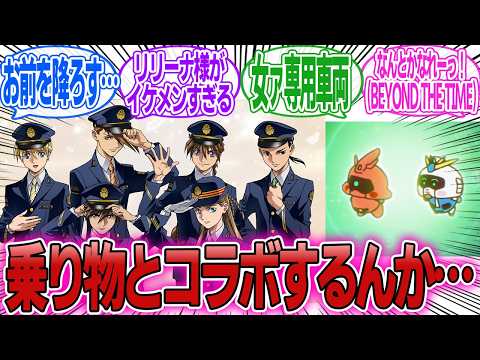
The Gundam franchise announced a collaboration between Mobile Suit Gundam Wing—a 1995-1996 anime series—and Japan Railways (JR), Japan’s leading public transportation company. The partnership represents an unusual crossover between a dark, psychologically complex war narrative and the everyday utility of commuter rail services. The announcement has generated significant discussion across social media platforms, fan forums, and video sharing sites, with reactions ranging from nostalgic enthusiasm to critical skepticism about the thematic fit.
Why It Matters
This collaboration exemplifies a fundamental tension within the modern anime and entertainment industry: how legacy franchises maintain relevance with aging fan bases while simultaneously attracting new audiences. The Gundam Wing partnership is particularly significant because it reveals the challenges of adapting a deliberately dark, psychologically introspective work—one that deliberately eschews everyday life—into mainstream consumer experiences. The fan response indicates a broader conversation about artistic integrity versus commercial expansion, and whether beloved works should be integrated into daily life or preserved as distinct narrative experiences.
Background
Mobile Suit Gundam Wing aired from 1995 to 1996 and stands apart within the Gundam franchise for its distinctive tone. Unlike earlier Gundam series such as Mobile Suit Gundam (0079) or Zeta Gundam, Gundam Wing emphasizes psychological complexity and internal conflict over straightforward military narrative. The series follows five Gundam pilots—Heero Yuy, Duo Maxwell, Trowa Barton, Quatre Raberba Winner, and Chang Wufei—who operate as isolated weapons rather than traditional soldiers. The show’s thematic core centers on existential isolation, the loss of humanity through militarization, and the struggle to maintain individuality within systems designed to eliminate it.
The franchise’s collaboration strategy has evolved significantly over the past 15 years. Early 2010s collaborations targeted existing fans through model kits and games. Post-2015, particularly following the Gundam SEED Remaster and Gundam SEED Freedom film releases, the franchise shifted toward acquiring new audiences through everyday consumer touchpoints—cafes, retail partnerships, and public spaces. The JR collaboration represents an extension of this strategy, attempting to position Gundam content within the daily commute experience.
Key Points
- Thematic Disconnect: Gundam Wing’s core narrative emphasizes war, isolation, and psychological trauma—concepts fundamentally at odds with JR’s brand identity of safety, reliability, and everyday normalcy.
- Divided Fan Response: Reactions split between nostalgic appreciation from older fans (now in their 40s-50s) and critical skepticism from those who prioritize narrative integrity.
- Character Absence from Daily Life: Unlike other Gundam series, Gundam Wing protagonists lack conventional daily routines; their entire existence centers on combat and military operations, making integration into public transportation conceptually jarring.
- Franchise Strategy Shift: The collaboration reflects the Gundam franchise’s attempt to balance aging fan retention with new audience acquisition through mainstream consumer experiences.
- Comparative Success: Similar collaborations with Gundam SEED Freedom generated less fan backlash, suggesting that series with stronger romantic and everyday-life elements integrate more naturally into commercial partnerships.
- Industry Trend: The partnership exemplifies broader anime industry challenges: legacy properties must remain commercially viable while preserving the artistic qualities that originally defined them.
Timeline
- 1995-1996: Mobile Suit Gundam Wing airs, establishing its distinctive psychological and dark narrative approach.
- 2010s Early: Gundam collaborations primarily target existing fans through specialized products and media.
- 2015 Onward: Franchise shifts strategy toward mainstream consumer partnerships and new audience acquisition.
- 2018: Gundam Cafe collaboration generates mixed fan reactions regarding integration of narrative content into daily spaces.
- Recent: Gundam Wing and JR collaboration announced, prompting widespread fan discussion about thematic compatibility.
Perspectives
Nostalgic Fan Perspective: Older fans (40s-50s) express appreciation for the collaboration as evidence that Gundam Wing remains culturally relevant. For this audience, the partnership represents a bridge between cherished memories and contemporary life, validating their long-term investment in the series.
Critical Fan Perspective: Fans prioritizing narrative integrity argue that Gundam Wing’s essence—its deliberate rejection of normalcy and daily life—is fundamentally incompatible with public transportation branding. This group contends that the collaboration dilutes the series’ artistic value by forcing its dark psychological themes into mundane consumer contexts.
New Audience Perspective: Emerging fans discovering Gundam Wing through the collaboration view it as an accessible entry point. YouTube and social media comments indicate that some younger viewers are motivated to explore the original series based on the partnership announcement.
Industry Analysis Perspective: From a commercial standpoint, the collaboration addresses the Gundam franchise’s demographic challenge: original fans are aging (60s-70s for the 1979 series, 40s-50s for Gundam Wing), necessitating new audience acquisition while maintaining existing fan engagement. The JR partnership represents a calculated risk to achieve both objectives simultaneously.
Comparative Analysis: Why Gundam SEED Freedom Succeeds Where Gundam Wing Struggles
The franchise’s other recent collaborations provide instructive contrast. Gundam SEED Freedom, despite depicting warfare, incorporates substantial romantic, emotional, and everyday-life elements. The relationship between protagonist Kira Yamato and Lacus Clyne, along with character Athrun Zala’s internal conflicts, resonate with viewers’ daily emotional experiences. These human elements create natural bridges to consumer partnerships.
Gundam Wing deliberately excludes such elements. Protagonist Heero Yuy’s declaration “I am Gundam” represents not heroic commitment but existential self-erasure. All five pilots lack conventional daily routines; their entire existence is militarized. This fundamental design choice—the intentional absence of everyday life—creates the “too niche” perception when paired with JR’s everyday-utility branding.
| Element | Gundam Wing | Gundam SEED Freedom | Mobile Suit Gundam (0079) |
|---|---|---|---|
| War Depiction | Extremely dark | Heavy but hopeful | Gritty |
| Daily Life Scenes | Minimal | Frequent | Sparse |
| Romantic Elements | Restrained | Central | Minimal |
| Collaboration Compatibility | Low | High | Moderate |
Community Reactions Across Platforms
Twitter: Positive sentiment emphasizes nostalgia and appreciation for the series’ continued relevance. Hashtags celebrating the collaboration appear frequently, particularly from fans in their 40s-50s expressing emotional connection to the announcement.
YouTube Comments: Discussions reveal dual motivations. Existing fans express enthusiasm, while new viewers indicate the collaboration prompted them to research and consider watching the original series—suggesting the partnership functions as an effective gateway for new audiences.
4chan and Reddit: More critical analysis emerges on these platforms. Users question whether the collaboration demonstrates franchise leadership’s understanding of Gundam Wing’s narrative essence. Critiques focus on the fundamental incompatibility between a series about psychological trauma and militarization versus a public transportation company’s brand values.
Anime Fan Forums: Detailed discussions analyze whether the collaboration represents artistic compromise or legitimate expansion of the franchise’s cultural footprint. Some participants argue the partnership allows Gundam Wing to reach audiences who might never encounter the original series; others contend it represents commercial exploitation of nostalgia.
Insights
The Gundam Wing and JR collaboration illuminates a critical challenge facing legacy entertainment properties: the tension between artistic preservation and commercial viability. The franchise’s leadership has identified a genuine market opportunity—leveraging nostalgia among aging fan bases while acquiring new audiences through mainstream consumer experiences. However, the execution reveals a potential misalignment between strategic objectives and creative authenticity.
Gundam Wing’s distinctive value within the franchise derives precisely from its deliberate rejection of normalcy. The series’ psychological depth, its exploration of isolation and dehumanization, and its refusal to provide comfortable resolutions distinguish it from other Gundam iterations. Integrating this narrative into everyday public transportation contexts risks reducing the series to aesthetic nostalgia divorced from its thematic substance.
The divided fan response suggests that the franchise serves multiple constituencies with incompatible expectations. Casual audiences seek accessible entry points and pleasant associations; dedicated fans prioritize narrative integrity and artistic coherence. Successful collaborations for legacy properties may require acknowledging these distinct audiences rather than attempting unified strategies that satisfy neither group completely.
Looking forward, the Gundam franchise faces a strategic choice: pursue collaborations that preserve each series’ thematic essence (exhibitions exploring Gundam Wing’s psychological complexity, concert reinterpretations of the series’ distinctive musical score, academic analyses of its narrative structure), or continue mainstream consumer partnerships that prioritize accessibility over artistic alignment. The current collaboration suggests the franchise is prioritizing the latter approach, accepting the “too niche” criticism as a necessary cost of demographic expansion.
Ultimately, the partnership’s success will depend on whether it functions as a gateway that drives new audiences toward the original series’ full narrative experience, or whether it remains a superficial consumer touchpoint that exploits nostalgia without deepening engagement with Gundam Wing’s distinctive artistic contributions to anime.