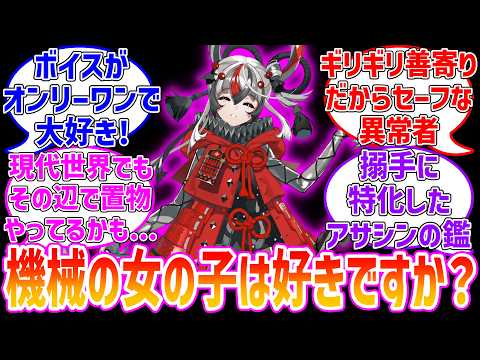
▶ Watch the original YouTube video
How Fate/Grand Order’s Halloween Event Sparked a Character Reevaluation: The Rise of Kōshin Kyōji
Fate/Grand Order’s latest Halloween event has triggered a dramatic shift in how the gaming community perceives the character Kōshin Kyōji. What was once considered a minor servant has become the subject of widespread fan appreciation, driven by thoughtful character development and strategic storytelling that reveals unexpected depths to her personality.
What Happened
During Fate/Grand Order’s Halloween event, the character Kōshin Kyōji received significant narrative focus and character development that resonated strongly with the player community. The event showcased new facets of her personality and internal struggles, leading to a surge in fan appreciation across social media platforms. The phrase “Kōshin Kyōji is cute, right?” became a trending topic on Twitter, with fans sharing artwork and expressing newfound admiration for the character.
The event’s success manifested in multiple online communities. Twitter saw rapid dissemination of fan art and positive commentary, YouTube comments highlighted specific scenes and voice acting performances, and discussion forums noted the increase in players adopting Kōshin Kyōji as their favorite character. This phenomenon represents what gaming analysts call a “character reevaluation”—a dramatic shift in how a previously overlooked character is perceived by the community.
Why It Matters
This event illustrates broader trends in how modern game developers engage with their player base and manage character portfolios. By strategically highlighting a minor character through thoughtful narrative development, Fate/Grand Order’s development team demonstrated how event-based storytelling can expand a game’s appeal and deepen player investment in the overall cast.
The success of this approach has implications for the gaming industry at large. It shows that character popularity is not fixed, and that careful narrative design can shift community perception. For players, it validates the experience of discovering unexpected depth in characters they may have previously overlooked. For developers, it provides a template for maximizing the value of their character assets through strategic event planning.
Background
Kōshin Kyōji had previously been considered a minor servant in Fate/Grand Order, receiving limited narrative attention in the main story. The character’s initial portrayal did not generate significant fan engagement compared to more prominent servants in the game’s extensive roster. However, the Halloween event provided an opportunity for the development team to explore her character more deeply, revealing psychological complexity and personal growth that had not been previously emphasized.
This type of character reevaluation is not unprecedented in the Fate series. Similar phenomena have occurred with other characters, such as Saber in Fate/stay night, whose perception shifted following theatrical film releases that presented new dimensions of her personality. Jeanne d’Arc from Fate/Apocrypha experienced a comparable reevaluation when adapted into anime form, gaining recognition for qualities that were less prominent in the original game.
Key Points
- Kōshin Kyōji became the focus of widespread fan appreciation following the Halloween event, with community sentiment shifting from indifference to enthusiasm
- The event’s success stemmed from careful character psychology and narrative structure rather than superficial appeal alone
- Fan communities across Twitter, YouTube, and forums demonstrated measurable engagement through fan art, commentary, and character adoption
- The development team employed strategic storytelling to reveal unexpected facets of the character’s personality and internal conflicts
- This event exemplifies a broader industry trend of using limited-time events to expand character depth and player investment
- The phenomenon reflects evolving fan culture, where character appreciation extends beyond surface-level attraction to include narrative complexity and emotional resonance
Timeline
- 2017 onward: Fate/Grand Order establishes Kōshin Kyōji as a minor servant with limited narrative presence
- Halloween Event Period: Development team provides significant narrative focus and character development for Kōshin Kyōji
- Event Conclusion: Community response demonstrates dramatic shift in character perception, with widespread fan engagement across social platforms
- Post-Event: Continued discussion in gaming communities regarding implications for future character development and event planning
Perspectives
The community response to this event reveals multiple layers of interpretation. From a development perspective, the Halloween event represents a calculated strategy to expand the game’s character ecosystem and maintain player engagement by offering fresh perspectives on existing characters. This approach maximizes the value of previously underutilized character assets.
From a player perspective, the event provided an experience of discovery—encountering unexpected depth in a character they had not previously considered significant. This “reevaluation moment” creates emotional investment and strengthens the player’s connection to the broader game world.
From a community perspective, the event catalyzed collective engagement. Fans shared interpretations, created artwork, and discussed the character’s development, creating a shared cultural moment within the Fate/Grand Order player base. However, some players from other servant fan communities noted that increased focus on Kōshin Kyōji meant reduced narrative attention for their preferred characters, illustrating the inherent competitive dynamics in multi-character games.
Insights
The Kōshin Kyōji Halloween event demonstrates that character popularity in modern games is not static. Through thoughtful narrative design and strategic event planning, developers can fundamentally reshape how players perceive and engage with their character roster. The success of this approach suggests that future game development will increasingly focus on character depth and psychological complexity as primary drivers of player engagement.
The event also reflects evolving fan culture. Modern fan engagement extends beyond simple preference to include detailed analysis of character psychology, narrative structure, and thematic development. Players seek opportunities to discover unexpected facets of characters and appreciate the craftsmanship behind character design.
For Fate/Grand Order specifically, this event raises expectations for future narrative treatment of minor characters. The development team has established a precedent that suggests other underutilized servants may receive similar narrative rehabilitation, potentially expanding the game’s appeal to a broader audience.
The broader implication for the gaming industry is that character assets should be viewed as dynamic rather than fixed. A character’s popularity and relevance can be substantially enhanced through strategic narrative investment, offering developers a powerful tool for maintaining long-term player engagement and maximizing the value of their creative output.