▶ Watch the original YouTube video
Detective Conan Fans Divided Over Amuro’s Confession and Azusa’s Ambiguous Response
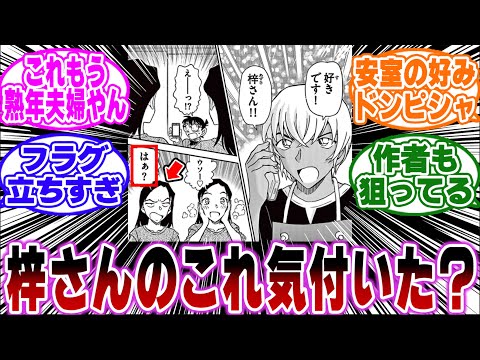
A pivotal romantic scene in Detective Conan featuring Toru Amuro’s confession to Azusa Enomoto and her deliberately ambiguous response has sparked intense debate among fans. The scene’s deliberate lack of resolution has divided the fanbase into competing interpretations, raising questions about the show’s long-term narrative strategy and character development.
What Happened
In a recent episode of Detective Conan, the character Toru Amuro directly confesses his feelings to Azusa Enomoto. Rather than accepting or rejecting his confession outright, Azusa responds with an ambiguous answer that leaves the relationship status unresolved. This moment has become the subject of widespread online discussion, with fans interpreting the scene in fundamentally different ways.
Why It Matters
Detective Conan is a long-running series spanning over 25 years, where romantic developments carry significant weight for the fanbase. The deliberate ambiguity in this scene reflects broader trends in modern anime production, where creators intentionally avoid definitive romantic conclusions to maintain narrative flexibility and accommodate diverse fan preferences. This approach has become increasingly common in ongoing series, but it also generates frustration among viewers seeking clear character development and relationship progression.
Background
Toru Amuro is one of Detective Conan’s most complex characters, operating simultaneously in three distinct roles: a former police academy classmate, a public security officer infiltrating a criminal organization, and a member of that organization under the codename “Bourbon.” Azusa Enomoto is the daughter of Yumi Miyamoto and has connections to the FBI, adding layers of political and organizational complexity to any potential relationship between them. The confession scene occurs against this backdrop of competing loyalties and hidden identities.
Key Points
- Amuro’s Direct Confession: Amuro explicitly communicates his feelings to Azusa, creating a pivotal moment that demands a response
- Azusa’s Non-Committal Answer: Rather than accepting or rejecting the confession, Azusa responds with a deliberately vague “hold” or “pending” response
- Fanbase Fragmentation: The ambiguous response has split the fanbase into supporters and detractors, each interpreting the scene through different lenses
- Character Complexity: Azusa’s FBI connections and complex background inform her inability or unwillingness to provide a clear answer
- Narrative Strategy Uncertainty: Viewers remain unclear whether this scene represents a stepping stone for future development or a definitive separation
- Industry Trend: The scene reflects a growing pattern in anime production of deliberately maintaining romantic ambiguity in long-running series
Perspectives
Supporters of the Scene: Fans who appreciate the ambiguity argue that Azusa’s “hold” response is realistic and character-appropriate. They view her hesitation as reflecting genuine emotional complexity rather than poor writing. These viewers see the scene as enriching the narrative by introducing uncertainty and maintaining multiple possible story directions. They also praise the voice acting and direction of the confession sequence itself.
Critics of the Scene: Detractors contend that the ambiguous response represents lazy storytelling and a deliberate avoidance of meaningful character development. They argue that in practical terms, a “hold” response functions as a rejection and that the scene fails to provide satisfying narrative closure. Some view the ambiguity as disrespectful to long-time fans who have invested years in following these characters’ relationships.
Narrative Analysis Perspective: A third group interprets the scene as intentional foreshadowing for future plot developments. They suggest that Azusa’s inability to commit may indicate she suspects Amuro’s true nature or that external circumstances (such as organizational conflicts) will soon force a reckoning between the characters. This interpretation treats the ambiguity as a narrative tool rather than a flaw.
Fan Typology and Response Patterns
The divided response reflects three distinct types of anime viewers: story-focused fans who prioritize mystery and plot progression over romance; character-focused fans who seek to understand individual emotional arcs; and shipping-focused fans who follow specific romantic relationships. Azusa’s ambiguous response simultaneously functions as plot complexity for the first group, character authenticity for the second, and romantic obstruction for the third. This explains why the same scene generates both praise and criticism.
Online reactions across Twitter, Reddit, and YouTube comments reveal consistent patterns. Supporters emphasize the realism of Azusa’s hesitation and the quality of the scene’s execution. Critics focus on the lack of narrative resolution and question whether the scene serves any purpose beyond delaying inevitable plot developments. Some commenters speculate that Azusa may have detected Amuro’s true intentions or organizational affiliations, suggesting her response reflects strategic caution rather than romantic uncertainty.
Industry Context
The scene reflects a broader shift in anime production over the past five years toward maintaining romantic ambiguity in long-running series. This strategy addresses three industry pressures: the need to preserve narrative flexibility in works with indefinite conclusions, the reality of increasingly diverse fanbase preferences that make any definitive romantic choice controversial, and changing audience expectations that favor complex, unresolved relationships over clear romantic resolution.
Comparable series demonstrate varying approaches to this challenge. My Hero Academia maintains ambiguous romantic relationships throughout its run. Attack on Titan concludes with a one-sided confession that remains unresolved. Detective Conan’s approach appears positioned between these extremes, suggesting future development rather than permanent ambiguity.
Insights
The controversy surrounding Azusa’s response reveals fundamental tensions in modern serialized storytelling. Detective Conan operates as a mystery-focused narrative where romantic development serves supporting rather than central functions. This structural reality means that romantic ambiguity generates simultaneous satisfaction and frustration: it preserves narrative flexibility while denying viewers the emotional closure they seek.
Azusa’s “hold” response functions as a mirror reflecting what fans bring to the scene rather than a definitive authorial statement. Story-focused viewers see narrative complexity; character-focused viewers see emotional authenticity; shipping-focused viewers see romantic obstruction. The scene’s power derives from this interpretive multiplicity.
The most significant implication concerns Amuro’s true motivations. His confession may represent genuine romantic feeling, strategic positioning given Azusa’s FBI connections, or some combination of both. Azusa’s hesitation may indicate romantic uncertainty, awareness of his dual nature, or recognition that external circumstances prevent commitment. The scene deliberately preserves these ambiguities, suggesting that future episodes will clarify what remains currently opaque.
For long-term Detective Conan viewers, this scene represents a characteristic moment in the series’ evolution: the introduction of emotional complexity that enriches character relationships while resisting narrative closure. Whether this approach ultimately satisfies or frustrates the fanbase will depend on how subsequent episodes develop these threads and what revelations emerge about Amuro’s true intentions and Azusa’s understanding of his nature.