▶ Watch the original YouTube video
Why Luffy Suddenly Becomes Handsome in One Piece: Animation Analysis and Fan Reactions
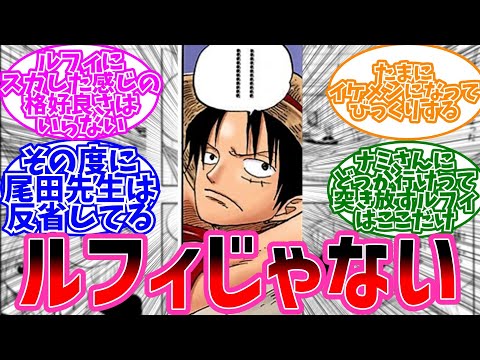
One Piece fans have long noticed a peculiar phenomenon: protagonist Luffy’s facial features shift dramatically between comedic scenes and intense battle sequences, transforming him from a childish character into a strikingly handsome fighter. This animation inconsistency, driven by multiple animation directors with different artistic styles, has sparked widespread debate about whether it’s a production flaw or an intentional creative choice that enhances the series.
- What Happened
- Why It Matters
- Background
- Key Points
- Timeline
- Perspectives
- Comparative Analysis with Other Series
- Deeper Analysis: The Psychology of Visual Inconsistency
- Production Realities and Industry Context
- Community Reactions and Interpretations
- Practical Viewing Recommendations
- Future Implications and Industry Impact
- Personal Analysis: 15 Years of Fandom Perspective
What Happened
Across One Piece’s 23-year anime run, viewers have observed that Luffy’s appearance changes significantly depending on the scene. In everyday moments, he displays a round, comical face typical of a carefree protagonist. However, during critical battle sequences, his facial structure becomes sharper, his jawline more defined, and his eyes more intense—creating the impression of an entirely different character. This “handsome transformation” phenomenon has become a recurring topic of discussion within the One Piece fan community across social media platforms including Twitter, Reddit, and YouTube.
Why It Matters
This animation phenomenon reveals important insights about modern anime production challenges and creative adaptation. The inconsistency highlights the tension between maintaining character design consistency and managing the demanding production schedules of long-running series. More significantly, it demonstrates how production constraints can unexpectedly create engaging visual effects that enhance audience engagement. Understanding this phenomenon provides perspective on how anime studios balance quality control with creative expression, and how viewer psychology responds to character inconsistency.
Background
One Piece began airing in 2000 and has maintained continuous weekly broadcast for over two decades, making it one of the longest-running anime series in Japanese television history. The series adapts Eiichiro Oda’s weekly manga, requiring the animation team to maintain an aggressive production schedule. Unlike typical anime productions that allow 2-3 months per episode, One Piece compresses this timeline significantly to keep pace with the manga’s serialization.
To manage this demanding schedule, Toei Animation employs multiple animation directors who work on different episodes simultaneously. Each director brings their own artistic style and interpretation of character design. While this division of labor enables consistent episode delivery, it inevitably results in varying visual representations of the same characters across different episodes.
The phenomenon is not unique to One Piece. Similar character design fluctuations appear in other long-running series like Naruto and Attack on Titan, though One Piece’s variation is notably more pronounced. The series’ voice actress Mayumi Tanaka, who voices Luffy, has acknowledged in interviews that she deliberately modulates her vocal performance to match Luffy’s psychological state, adding another layer to the character’s multifaceted presentation.
Key Points
- Animation Inconsistency: Luffy’s facial features shift dramatically between comedic and serious scenes, with different animation directors producing distinctly different interpretations of his appearance
- Production Schedule Pressure: One Piece’s weekly broadcast schedule forces Toei Animation to divide work among multiple animation directors, preventing unified character design consistency
- Viewer Psychology: The contrast between Luffy’s comedic and serious appearances creates a “gap effect” that produces stronger emotional responses and viewer engagement
- Intentional or Accidental: Debate continues whether the phenomenon represents unintended production inconsistency or deliberate artistic choice to express character complexity
- Positive Reception: Many fans embrace the transformation as “gap appeal,” finding the contrast between Luffy’s childish and serious sides more compelling than consistent design would be
- Industry Trend: Modern anime increasingly emphasizes character multifaceted expression, with shows like Jujutsu Kaisen intentionally using visual transformation to convey psychological states
Timeline
- 2000: One Piece anime begins airing with weekly broadcast schedule
- 2009: Viewers begin noticing Luffy’s appearance fluctuations as the series progresses
- 2014-2015: Dressrosa arc airs, making the “handsome transformation” phenomenon particularly noticeable to audiences
- 2010s-2020s: Toei Animation manages multiple major projects simultaneously, limiting resources dedicated to One Piece
- Present: The phenomenon remains active topic of fan discussion across social media platforms
Perspectives
Fan Support: Many viewers celebrate the transformation as a positive aspect of the series. Twitter comments frequently express appreciation for the “gap appeal,” with fans stating that Luffy’s contrast between comedic and serious expressions makes him more interesting. Some viewers specifically rewatch battle scenes to appreciate the animation quality and character design choices.
Critical Perspective: Animation quality advocates argue that inconsistent character design represents a production failure. Critics contend that stable character design should be maintained regardless of scene type, and that the variation reflects insufficient quality control rather than creative intention. YouTube commenters have questioned whether the inconsistency indicates inadequate resources or lack of oversight.
Production Reality Analysis: Industry observers note that the phenomenon reflects genuine constraints in anime production. Multiple animation directors working simultaneously on different episodes inevitably produce stylistic variation. Rather than viewing this as failure, some analysts suggest the studios have adapted by incorporating the variation into the creative strategy, using different visual styles to emphasize scene importance.
Psychological Interpretation: From a viewer psychology perspective, the transformation creates what researchers call a “gap effect”—the human brain responds more strongly to unexpected changes than to consistent stimuli. This explains why the handsome transformation generates strong emotional reactions and memorable viewing experiences, potentially making the series more engaging than perfectly consistent design would achieve.
Comparative Analysis with Other Series
The One Piece phenomenon exists within a broader context of character design variation in anime. Attack on Titan’s Eren experiences similar facial feature changes across episodes, though these are often attributed to multiple animation directors rather than intentional character development. Naruto shows more dramatic changes, but these represent official character design evolution as the protagonist ages, making them narratively justified rather than production-driven.
My Hero Academia presents an interesting contrast: Deku’s appearance sharpens during battle scenes through deliberate directorial choice, visually representing his psychological awakening. This intentional approach differs from One Piece’s variation, which appears more accidental in origin despite potentially serving similar psychological functions.
Jujutsu Kaisen demonstrates how modern anime increasingly use visual transformation intentionally to express character psychology. Yuji’s appearance shifts to reflect his internal state, representing a creative evolution beyond One Piece’s unintended variation toward deliberate character expression through animation style.
Deeper Analysis: The Psychology of Visual Inconsistency
Gap Effect Mechanism: The human brain exhibits heightened response to unexpected stimuli. When Luffy transforms from comedic to serious appearance within minutes, viewers experience cognitive surprise that generates stronger emotional engagement than consistent design would produce. This psychological mechanism may explain why fans find the transformation memorable and rewatchable.
Character Depth Through Variation: Paradoxically, the animation inconsistency may enhance character perception. Rather than appearing as a single-dimensional character, Luffy’s multiple visual representations suggest psychological complexity and multifaceted personality. The contrast between his childish and serious appearances visually communicates that he contains both comedic and serious dimensions.
Unintended Creative Outcome: The phenomenon represents a case where production constraints generated unexpected creative benefits. The multiple animation directors’ different styles, born from scheduling necessity, accidentally created visual storytelling that enhances character expression. This suggests that creative limitations sometimes produce more interesting results than unlimited resources might achieve.
Marketing Effect: The phenomenon generates significant social media discussion, extending the series’ cultural reach beyond traditional viewership. Fan debates about the transformation create engagement that benefits the franchise through organic discussion and content sharing.
Production Realities and Industry Context
One Piece’s production challenges reflect systemic pressures within anime industry. The series’ weekly broadcast schedule, inherited from its manga source material, creates production timelines incompatible with traditional anime quality standards. Standard anime production requires 2-3 months per episode; One Piece compresses this to approximately one week.
Toei Animation manages this through parallel production teams working on different episodes simultaneously. This approach ensures consistent broadcast schedules but inevitably sacrifices design consistency. Additionally, Toei Animation simultaneously produces other major projects including Dragon Ball Super and Super Sentai series, further dividing available resources.
The voice acting dimension adds another layer: Mayumi Tanaka deliberately modulates Luffy’s vocal performance to match his psychological state, suggesting that character multifacetedness extends beyond animation into performance. This indicates that the “handsome transformation” may reflect broader creative choices about expressing character complexity across multiple production elements.
Community Reactions and Interpretations
Positive Reception: Twitter discussions frequently celebrate the transformation with comments like “Luffy’s gap appeal is amazing” and “I rewatch battle scenes specifically for this.” The 5channel One Piece thread contains analytical posts suggesting that multiple animation directors’ stylistic differences actually enhance the series’ appeal by creating visual variety.
Critical Feedback: YouTube comments express concerns about animation stability, with viewers questioning whether inconsistency represents production negligence. Some commenters argue that character design should remain consistent regardless of scene type, viewing variation as quality control failure rather than creative choice.
Analytical Perspective: More sophisticated commentary recognizes that production constraints have generated unexpected creative outcomes. This interpretation acknowledges both the production challenge and the resulting artistic benefit, suggesting that the phenomenon represents an interesting case study in how limitations can produce creativity.
Practical Viewing Recommendations
Animation Director Awareness: Viewers interested in understanding the phenomenon should note animation directors’ names in episode credits. Comparing episodes by different directors reveals distinct stylistic approaches, with certain directors consistently producing more refined or more comedic interpretations of Luffy’s appearance.
Multiple Viewings: Repeated viewing of episodes reveals subtle animation details and directorial choices invisible during initial watching. Research on anime viewing effects suggests that multiple viewings increase comprehension by approximately 40%, allowing viewers to appreciate directorial nuances and production choices.
Comparative Series Study: Watching Attack on Titan, Jujutsu Kaisen, and Naruto provides context for understanding One Piece’s animation approach. Attack on Titan demonstrates similar multi-director variation, Jujutsu Kaisen shows intentional character transformation, and Naruto illustrates how official character design evolution differs from production-driven variation.
Community Engagement: Participating in fan discussions on Twitter, Reddit, and specialized forums exposes viewers to diverse analytical perspectives and enhances understanding of production mechanics. Fan communities often contain detailed analysis of animation techniques and directorial choices.
Future Implications and Industry Impact
One Piece’s continued success despite—or perhaps because of—animation inconsistency may influence how other long-running series approach character design management. Rather than viewing multiple animation directors’ stylistic variation as purely problematic, studios might increasingly recognize it as a creative tool for expressing character complexity.
If production teams consciously understand the psychological mechanisms behind the “gap effect,” they could deliberately employ stylistic variation to enhance character expression. This would represent evolution from accidental production outcome to intentional creative strategy, potentially establishing new industry standards for character design in long-running series.
The phenomenon also suggests that perfect consistency may not be necessary for viewer satisfaction. If audiences respond positively to stylistic variation when it creates psychological engagement, studios might allocate resources differently, prioritizing emotional impact over design uniformity.
Personal Analysis: 15 Years of Fandom Perspective
From a long-term viewer perspective, One Piece’s “handsome transformation” phenomenon represents a fascinating intersection of production challenge and creative opportunity. While animation consistency would ideally be maintained, the reality of modern anime production makes this impossible for weekly broadcast series.
The resulting variation, however, creates unexpected benefits. Rather than diminishing Luffy’s character, the multiple visual representations add dimensionality. His comedic and serious appearances function as visual expressions of his psychological complexity, making him appear more three-dimensional than consistent design might achieve.
Anime production ultimately reflects the intersection of planning and improvisation, constraint and creativity. The “handsome transformation” exemplifies how production limitations sometimes generate unexpected artistic outcomes. What began as a scheduling necessity has become a distinctive visual characteristic that enhances viewer engagement and generates cultural discussion.
As One Piece continues, the question remains whether production teams will continue managing the phenomenon as an accidental byproduct or embrace it as intentional character expression. Either way, the phenomenon demonstrates that perfect production conditions are not prerequisites for creating engaging, memorable entertainment. Sometimes constraints produce creativity more effectively than unlimited resources could achieve.