▶ Watch the original YouTube video
Why Gundam Mass-Production Mobile Suits Always Fail: A 15-Year Fan Analysis
After 15 years of studying the Mobile Suit Gundam franchise, a dedicated fan reveals that the recurring pattern of mass-produced mobile suits failing in combat is not a narrative oversight—but a carefully calculated production strategy designed to maximize viewer engagement and emphasize protagonist superiority.
What Happened
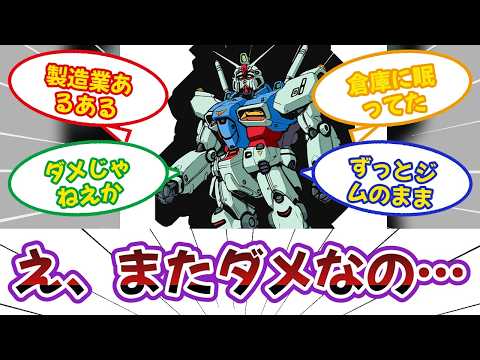
Across the Mobile Suit Gundam franchise spanning multiple series and decades, a consistent pattern emerges: mass-produced mobile suits—despite being described as capable machines in official specifications—consistently perform far below expectations in actual combat. Zeon’s Zaku units, the ZAFT’s Ginn, and the Earth Federation’s Jegan all suffer from the same fate: overwhelming defeat at the hands of protagonist-piloted units.
This phenomenon has sparked ongoing debate within the Gundam fan community. Viewers notice contradictions between how these machines are described in-universe and how they perform on screen. A mobile suit introduced as “sufficiently capable” suddenly becomes ineffectual when facing the protagonist’s machine, raising questions about whether this represents poor writing or intentional design.
Why It Matters
Understanding this pattern reveals fundamental truths about how modern anime production balances narrative drama with internal consistency. The Gundam franchise’s approach to this problem—prioritizing emotional impact over logical coherence—has become an industry standard that influences how audiences perceive storytelling in mecha anime.
For longtime fans and newcomers alike, recognizing this pattern transforms the viewing experience. Rather than perceiving contradictions as flaws, understanding them as deliberate production choices allows for deeper appreciation of the creative intent behind these series. Additionally, this analysis demonstrates how production teams manipulate viewer psychology to strengthen emotional investment in protagonist units and characters.
Background
The pattern began with the original 1979 Mobile Suit Gundam series, where mass-produced Zaku units genuinely posed significant threats to protagonist Amuro Ray. However, as the franchise evolved through the 1980s, 1990s, 2000s, and 2010s, a clear trend emerged: the performance gap between protagonist and mass-produced units widened dramatically.
By the time of Mobile Suit Gundam SEED (2002), the disparity became pronounced. The protagonist’s Strike Gundam consistently overwhelmed multiple Ginn units in single combat, despite the Ginn being described as ZAFT’s primary mobile suit. This contradiction intensified in later works like Mobile Suit Gundam UC (2010), where the Jegan—theoretically a high-performance mass-production unit—became essentially a minor enemy type.
The shift reflects broader changes in anime production philosophy. From the 1979-1990 period, when narrative consistency held greater weight, the industry gradually shifted toward prioritizing emotional resonance and viewer investment in protagonist units. This transition accelerated in the 2000s-2010s era, coinciding with increased merchandising emphasis on protagonist mobile suits.
Key Points
- Performance Degradation: Mass-produced units described as capable in specifications consistently underperform in actual combat sequences.
- Setting Contradictions: Mobile suits introduced as effective machines suddenly become ineffectual when facing protagonist units, creating logical inconsistencies.
- Pilot Attribution: Production teams often attribute unit failures to pilot skill deficiencies rather than machine limitations, obscuring the true source of performance gaps.
- Narrative Priority: Story momentum and dramatic impact take precedence over maintaining consistent mechanical specifications.
- Viewer Awareness: Fan communities consistently identify and discuss these contradictions, yet continue engaging with the franchise despite recognizing the pattern.
- Industry-Wide Pattern: Similar mass-production failure patterns appear in other mecha franchises including Code Geass and Macross, suggesting this represents broader industry practice rather than franchise-specific oversight.
Timeline
- 1979: Original Mobile Suit Gundam introduces Zaku units as genuine threats to protagonist Amuro Ray.
- 1980s-1990s: Gundam sequels maintain relatively consistent mass-unit threat levels, though protagonist units show clear advantages.
- 2002: Mobile Suit Gundam SEED marks significant shift toward protagonist dominance, with Strike Gundam overwhelming multiple Ginn units.
- 2010: Mobile Suit Gundam UC features Jegan units reduced to minor enemy classification despite high-performance specifications.
- 2020s: Mobile Suit Gundam: The Witch from Mercury continues the pattern while introducing more detailed in-universe explanations for performance gaps.
Perspectives
The Production Standpoint: From a creative perspective, this pattern serves deliberate psychological purposes. Directors and writers intentionally emphasize protagonist unit superiority to strengthen viewer emotional investment. The pattern generates multiple benefits: protagonist machines become more memorable, protagonist pilots appear more exceptional, narrative drama intensifies, and merchandise sales for protagonist units increase. This represents not a failure of production but a calculated success strategy.
The Fan Perspective: Online communities display mixed reactions. Some fans embrace the pattern as entertaining “Gundam trope” worthy of humorous acknowledgment. Others criticize it as lazy writing that prioritizes spectacle over logical consistency. Many fans occupy middle ground, simultaneously enjoying the dramatic impact while recognizing the underlying contradictions.
The Comparative Analysis: Other mecha franchises handle similar situations differently. The Macross series maintains that mass-produced Valkyries remain genuinely capable machines, emphasizing protagonist pilot skill rather than machine superiority. Neon Genesis Evangelion attributes mass-production unit failures to pilot compatibility issues rather than mechanical deficiency. These alternative approaches suggest the Gundam franchise’s choice to emphasize machine superiority represents a specific creative decision rather than inevitable necessity.
Insights
The Gundam franchise’s mass-production failure pattern reveals fundamental truths about modern entertainment production. Rather than representing narrative failure, the pattern demonstrates sophisticated understanding of viewer psychology. Production teams recognize that audiences develop stronger emotional attachments to units that appear uniquely powerful, and they structure narratives accordingly.
The pattern’s persistence across 40+ years and multiple series indicates its effectiveness. Despite fan awareness of the contradiction, the franchise continues employing this strategy because it achieves its intended purpose: maximizing emotional investment in protagonist units and characters.
Notably, recent Gundam productions show evolution in execution. Newer series provide more detailed in-universe explanations for performance gaps—emphasizing design philosophy differences and operational doctrine rather than relying solely on vague “pilot skill” attribution. This suggests production teams recognize viewer sophistication has increased, requiring more sophisticated justifications for the same underlying pattern.
The broader implication extends beyond Gundam. This pattern represents how modern entertainment balances narrative drama against internal consistency, often prioritizing emotional resonance over logical coherence. Understanding this dynamic transforms how viewers interpret apparent contradictions—recognizing them as deliberate creative choices rather than oversights.
For viewers seeking to maximize enjoyment of Gundam series, separating “official specifications” from “narrative portrayal” proves essential. Accepting that mass-produced units function differently in story context than in technical specifications allows appreciation of the dramatic intent without demanding logical consistency. This dual-perspective approach—understanding both the technical specifications and their narrative subversion—represents the most sophisticated engagement with the franchise.