▶ Watch the original YouTube video
The Grotesque ‘Head Shaker’ Technique in Toriko: A Deep Analysis of Gourmet Reactions and Anime Philosophy
The “Head Shaker” is one of anime’s most visually shocking eating techniques, featured in the gourmet adventure series Toriko. This grotesque method of consuming food has sparked complex viewer reactions that blend disgust with intellectual fascination, revealing deeper themes about human obsession and the philosophy of eating itself.
- What Happened
- Why It Matters
- Background
- Key Points
- Comparative Analysis: Grotesque Expression Across Anime
- Gourmet Character Reactions: A Window Into Viewer Psychology
- The Philosophy Behind the Grotesque: Obsession as Transformation
- Production Intent: Why Amplify the Grotesque?
- Online Reception: Complexity in the Comments
- Narrative Implications: What Comes Next
- Viewing Recommendations: How to Maximize Toriko’s Impact
- Insights: The Fusion of Spectacle and Philosophy
What Happened
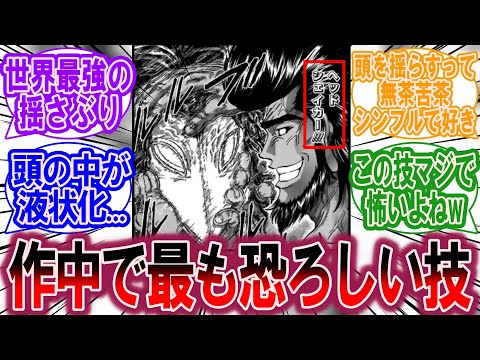
In the anime series Toriko, a character demonstrates an extreme eating technique called the “Head Shaker”—a grotesquely exaggerated method of consuming food that prioritizes efficiency and intensity over conventional dining. The scene features multiple gourmet characters reacting with shock, confusion, and conflicted interest as they witness this unconventional approach to eating. The anime adaptation emphasizes the visual impact of this technique, amplifying its grotesque qualities beyond the original manga depiction.
Why It Matters
The “Head Shaker” scene exemplifies how Toriko uses extreme visual expression to explore philosophical questions about human nature and obsession. Rather than serving as mere shock value, the technique represents a critical turning point in the narrative where the series examines how far human dedication to food—and by extension, any pursuit—can transform a person. This scene has resonated with viewers precisely because it forces them to confront the boundary between grotesque spectacle and meaningful artistic expression, making it a valuable case study in how anime communicates complex themes through visual language.
Background
Toriko is a long-running manga and anime series centered on gourmet adventure and the pursuit of the ultimate meal. Unlike conventional food-focused anime such as Food Wars!, which emphasizes culinary beauty and sensory pleasure, Toriko explores the darker, more obsessive aspects of human desire. The series draws philosophical inspiration from Hunter x Hunter’s concept of training and self-improvement, but channels it through the lens of food acquisition and consumption. The “Head Shaker” technique emerges within this context as a natural—if extreme—expression of the series’ core thematic concerns: how far will humans go in pursuit of their desires, and what does that transformation reveal about human nature?
Key Points
- The “Head Shaker” is an extreme eating technique depicted with intentional visual grotesqueness to emphasize its abnormality
- Multiple gourmet characters display varied reactions ranging from shock to intellectual curiosity, reflecting the complexity of the scene’s impact
- The anime adaptation deliberately amplifies the grotesque visual elements beyond the original manga, suggesting intentional creative emphasis by the production team
- Viewer reactions online demonstrate a dual emotional response: simultaneous disgust and fascination with the technique’s efficiency
- The technique functions as a narrative turning point, signaling that the story is entering a new phase of intensity and philosophical exploration
- The scene represents the series’ broader theme of examining human obsession and its transformative effects on individuals
Comparative Analysis: Grotesque Expression Across Anime
Toriko vs. Food Wars!: While Food Wars! uses detailed culinary imagery to celebrate the sensory pleasure and beauty of cooking, Toriko employs grotesque imagery to explore the danger and obsessive nature of food pursuit. Food Wars! stimulates appetite; Toriko provokes philosophical reflection.
Toriko vs. JoJo’s Bizarre Adventure: Both series use grotesque visual expression as a vehicle for exploring human nature and transformation. JoJo’s grotesqueness reveals character essence through extreme situations; Toriko’s grotesqueness reveals how obsession reshapes human capability and identity.
Toriko vs. Hunter x Hunter: As fellow Weekly Shonen Jump series, both explore the concept of training and self-improvement. Hunter x Hunter depicts the suffering of training through combat and hardship; Toriko depicts it through the extreme physicality of food consumption. Both use grotesque or intense imagery to communicate the cost of pursuing excellence.
Toriko vs. Attack on Titan: Both series initially present grotesque imagery that appears purely shocking but later reveals deeper narrative significance. Attack on Titan’s grotesque titan depictions eventually connect to complex themes of identity and freedom; Toriko’s grotesque eating techniques connect to themes of human desire and transformation.
Gourmet Character Reactions: A Window Into Viewer Psychology
The brilliance of the “Head Shaker” scene lies in its presentation of multiple character perspectives. Experienced gourmet Toriko, novice Komatsu, and other team members each respond differently to the technique. This narrative choice serves a psychological function: it validates the viewer’s own conflicted emotions by showing that even within the story’s universe, this technique inspires simultaneous awe and unease.
Characters express both “this is grotesque” and “this is fascinating” simultaneously—a dual emotional state that mirrors viewer experience. This technique of presenting multiple character reactions to guide viewer interpretation appears successfully in Attack on Titan (varied responses to the Colossal Titan), Demon Slayer (varied responses to Upper-Rank demons), and other acclaimed series. When characters model complex emotional responses, viewers develop the cognitive habit of viewing situations from multiple perspectives rather than reacting with a single emotion.
The Philosophy Behind the Grotesque: Obsession as Transformation
The “Head Shaker” is not merely a fighting technique—it is a survival technique. This distinction is philosophically crucial. The technique represents the question: “How far will obsession with food transform a human being?” Rather than depicting combat prowess, it depicts the physical and psychological transformation that results from extreme dedication to a pursuit.
This connects to a broader pattern in acclaimed anime: when characters become obsessed with something—whether it is becoming a demon slayer, hunting, or pursuing culinary perfection—their very humanity transforms. The grotesque visual representation serves as the external manifestation of internal transformation. The “Head Shaker” makes visible what would otherwise remain abstract: the cost of obsession.
Production Intent: Why Amplify the Grotesque?
The anime adaptation deliberately intensifies the grotesque elements beyond the original manga. This creative choice indicates intentional messaging from the production team. When anime studios amplify grotesque content, they typically aim to achieve one of two goals: (1) create a strong emotional response that anchors the scene in viewer memory, or (2) communicate that this moment represents a significant narrative threshold.
In Toriko’s case, both appear true. The amplified grotesqueness ensures viewers will remember this scene vividly, while also signaling that the narrative is entering a new phase where normal rules no longer apply. The production team is essentially telling viewers: “Pay attention—something fundamental is changing.”
Online Reception: Complexity in the Comments
Analysis of viewer responses across social media reveals a consistent pattern: simultaneous disgust and intellectual curiosity. Twitter comments show roughly equal numbers of “This is too gross” reactions alongside “I wonder if this technique is actually effective” technical inquiries. YouTube comments frequently ask “What episode is this?” indicating strong viewer interest in exploring the scene’s narrative context. Deeper forum discussions on platforms like 5channel analyze the “Head Shaker” as a technical expression of food obsession rather than mere shock value.
This response pattern indicates that Toriko successfully delivers both entertainment spectacle and intellectual substance. Viewers are not simply reacting with disgust; they are thinking analytically about what the grotesque imagery represents.
Narrative Implications: What Comes Next
Based on narrative structure patterns in acclaimed anime, the appearance of extreme grotesque imagery typically signals a turning point. When Attack on Titan introduced grotesque titan depictions, it preceded major revelations about titan nature. When Demon Slayer depicted grotesque demon transformations, it preceded deeper exploration of demon philosophy. Following this pattern, the “Head Shaker” likely precedes significant narrative developments that will explain the technique’s origins and meaning.
Characters who master such extreme techniques typically occupy positions outside the normal world order, suggesting that whoever uses the “Head Shaker” will play an important role in future plot developments. The grotesque technique serves as a visual marker: this character operates by different rules.
Viewing Recommendations: How to Maximize Toriko’s Impact
For new viewers, sequential viewing from episode one is essential. The “Head Shaker” scene’s significance depends entirely on understanding Toriko’s character development and his relationship with food. Partial viewing or scene-skipping undermines the philosophical impact. The grotesque imagery only becomes meaningful when viewers understand the character’s journey toward such extreme methods.
After watching Toriko, viewers benefit from comparative viewing of Food Wars! and Hunter x Hunter to understand how different series approach similar themes of pursuit and transformation. This comparative analysis clarifies Toriko’s unique philosophical stance.
Most importantly, viewers should reflect on the series’ central question: “What does obsession with any pursuit reveal about human nature?” The grotesque imagery serves this philosophical inquiry rather than existing for its own sake.
Insights: The Fusion of Spectacle and Philosophy
Toriko represents a distinctive approach to anime storytelling: the fusion of grotesque visual spectacle with genuine philosophical inquiry. The “Head Shaker” scene exemplifies this approach perfectly. It functions simultaneously as shocking entertainment and as visual metaphor for human transformation through obsession.
The scene’s success lies in refusing to choose between these functions. It does not apologize for its grotesqueness, nor does it pretend the grotesqueness is merely decorative. Instead, it insists that the grotesque imagery IS the philosophical statement. The technique’s visual horror communicates what dialogue could not: that pursuing food to this extreme degree fundamentally changes what it means to be human.
For viewers willing to engage with this complexity, Toriko offers rewards beyond typical anime entertainment. It prompts genuine reflection on desire, dedication, and the price of transformation. The “Head Shaker” scene, in all its grotesque intensity, serves as the series’ most direct statement of these themes—a moment where spectacle and substance become inseparable.