▶ Watch the original YouTube video
What Gundam Fans Really Want: A 15-Year Analysis of Series Expectations and Frustrations
A comprehensive analysis of fan feedback reveals that Gundam series enthusiasts seek greater narrative cohesion, deeper character development, and clearer story conclusions. After 15 years of following the franchise, one longtime viewer examines the persistent gap between fan expectations and what the creators deliver.
What Happened
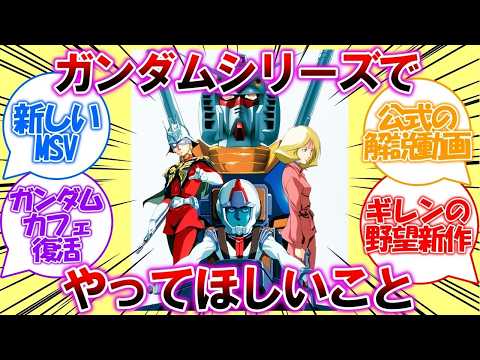
A recent YouTube video compiled fan feedback about what viewers want to see across the entire Gundam franchise. The compilation prompted extensive discussion about the series’ direction, with fans expressing both praise and criticism about how the franchise has evolved since its 1979 debut. The video catalyzed broader conversations about the franchise’s structural challenges and creative direction.
Why It Matters
The Gundam franchise represents one of anime’s most influential and longest-running properties, spanning over 40 years and multiple parallel timelines. Understanding fan expectations is crucial for the franchise’s future direction, as the gap between what audiences want and what creators deliver directly impacts viewership, engagement, and the franchise’s cultural relevance. The feedback reveals systemic issues that extend beyond Gundam to the broader anime industry.
Background
The Gundam franchise began with the original Mobile Suit Gundam in 1979 and has since expanded into numerous series, films, and spin-offs. The franchise operates across multiple timelines and universes—most notably the “Universal Century” timeline and several alternate universes like those in Gundam Wing, Gundam SEED, and the recent Gundam: The Witch from Mercury. This structural complexity, while creatively liberating, has created confusion among both newcomers and longtime fans regarding continuity, character arcs, and mechanical specifications.
Key Points
- Narrative Cohesion: Fans desire unified worldbuilding across the franchise, with clearer explanations of how multiple timelines coexist rather than contradictory settings that confuse viewers.
- Character Development: Audiences want deeper psychological exploration of supporting characters and antagonists, not just protagonists. The franchise has historically excelled with main characters but neglected secondary figures.
- Story Completion: Viewers seek self-contained narratives that conclude definitively within their intended format, rather than requiring additional films or series to feel complete.
- Mechanical Consistency: The franchise’s repeated redefinition of what constitutes a “Gundam” and its capabilities has created confusion. Fans want clearer, more consistent mechanical specifications across series.
- Balance Between Legacy and Innovation: The franchise struggles to honor nostalgic character returns while maintaining narrative independence for new stories and protagonists.
- Accessibility for New Viewers: The franchise’s complexity creates barriers for newcomers, with unclear entry points and prerequisite knowledge requirements.
Timeline
- 1979: Mobile Suit Gundam establishes the franchise with complex character work, particularly antagonist Char Aznable.
- 1988: Char’s Counterattack successfully balances legacy characters with new narrative directions.
- 1995: Gundam Wing introduces an entirely separate timeline, establishing the franchise’s multi-universe approach.
- 2002-2003: Gundam SEED redefines mechanical specifications and introduces new narrative frameworks.
- 2010: Mobile Suit Gundam UC begins as a contained OVA series but receives expanded television and film adaptations.
- 2015-2017: Iron-Blooded Orphans demonstrates strong character work but uneven supporting character development.
- 2022-2023: Gundam: The Witch from Mercury attempts to resolve narrative completion within a two-season television format.
Perspectives
Fan Perspective: Long-time viewers express frustration with the franchise’s structural inconsistencies. Some fans appreciate the creative freedom that multiple timelines provide, while others find the fragmentation alienating. Newcomers report difficulty determining where to begin and how different series relate to one another. Social media discussions reveal a fundamental divide: some fans value the franchise’s experimental approach, while others crave unified continuity.
Creator Perspective (Inferred): The franchise’s multi-timeline structure appears intentional, allowing creators freedom to explore different narrative possibilities without being constrained by 40+ years of established canon. This approach enables fresh worldbuilding and character concepts while maintaining the “Gundam” brand identity. However, creators may underestimate the confusion this generates among audiences seeking narrative coherence.
Industry Context: Recent anime trends favor completed narratives over open-ended series requiring future installments. The success of Attack on Titan‘s conclusion and the ongoing popularity of Jujutsu Kaisen suggest audiences increasingly prefer definitive endings. Gundam: The Witch from Mercury‘s decision to conclude within two seasons reflects this industry shift.
Comparative Analysis
When examined against other mecha anime franchises, Gundam’s strengths and weaknesses become apparent. The Macross series maintains stronger mechanical consistency while sacrificing character depth. Raideen achieves better narrative independence across installments but lacks Gundam’s character complexity. Gundam excels in protagonist and major character development but struggles with worldbuilding coherence and supporting character depth—areas where competitors perform more consistently.
Fan Psychology
Fans seek narrative unity for three primary reasons. First, unified worldbuilding enhances immersion by eliminating questions about which timeline represents “true” history. Second, comprehensive understanding of the entire franchise appeals to dedicated viewers who want complete knowledge. Third, clearer creative intent from producers would reduce speculation and frustration about why settings and specifications change between series.
The franchise’s complexity also creates barriers to entry. New viewers struggle to determine optimal starting points and feel overwhelmed by prerequisite knowledge. This accessibility issue directly impacts the franchise’s ability to cultivate new audiences.
Insights
The Gundam franchise faces a fundamental creative tension: the freedom to innovate through multiple timelines versus the audience desire for narrative coherence. Gundam: The Witch from Mercury‘s approach—establishing a new universe while maintaining franchise identity—represents one viable solution, though it doesn’t address the broader continuity confusion.
The franchise’s core challenge isn’t the existence of multiple timelines but rather the lack of transparent communication about them. Fans express less frustration with contradictions themselves and more with the absence of clear explanations for why contradictions exist. Explicit acknowledgment that different timelines represent intentional creative choices rather than continuity errors would significantly reduce audience confusion.
The franchise would benefit from three strategic adjustments: first, clearer delineation and explanation of timeline relationships; second, consistent deep character work across protagonists, antagonists, and supporting cast; third, commitment to narrative completion within intended formats rather than relying on supplementary films or series to resolve plot threads.
Gundam’s 40+ year history demonstrates both the franchise’s creative resilience and the challenges of maintaining long-term audience engagement. The franchise’s future depends on balancing innovation with clarity—introducing new concepts while transparently explaining how they relate to existing continuity. The franchise’s strength lies not in forced unity but in honest communication about its deliberately fragmented structure.