▶ Watch the original YouTube video
Chiikawa’s Usagi Character Redesign Sparks Fandom Divide: Long Hair vs. New Short-Haired Look
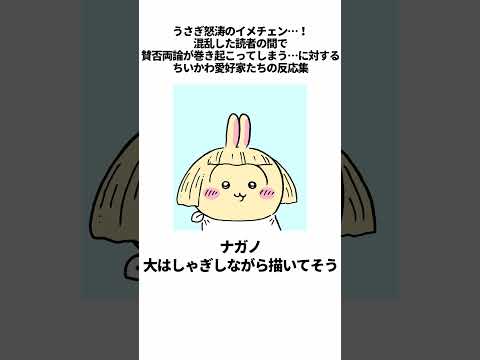
The beloved character Kyaru from the manga series Chiikawa underwent a dramatic visual redesign in mid-November 2024, trading her signature long hair for a short cut. The change has ignited intense debate across fan communities, with supporters and critics clashing over whether the redesign represents character evolution or unnecessary departure from the character’s established identity.
What Happened
In the latest episode of Chiikawa around November 15, 2024, the character Kyaru, a long-haired rabbit, underwent a dramatic visual transformation by cutting her hair short. This sudden redesign has triggered widespread discussion across Twitter, forums, and fan communities, with the fanbase splitting into opposing camps: those who support the new look and those who view it as a betrayal of the character’s core identity.
Why It Matters
Character redesigns in long-running series are rarely neutral events. They raise fundamental questions about what defines a character—is it their visual appearance, their personality, or both? The Kyaru redesign has become a case study in how creators and fans negotiate creative direction, and how visual identity shapes fan attachment. The controversy also reflects broader tensions in fan culture between respecting creator autonomy and advocating for character consistency.
Background
Chiikawa is a daily-updated four-panel manga that has been running for over three years. Kyaru has been a core character since the series’ inception, defined by her elegant long hair and energetic, upbeat personality. The character’s visual design—particularly her long hair—became iconic among fans, serving as a key part of her recognizable silhouette. As the series has progressed, questions about character evolution and narrative direction have become increasingly relevant, especially given the work’s deceptively complex world-building beneath its seemingly simple daily-life format.
Key Points
- Dramatic visual change: Kyaru transitioned from long hair to short hair in a single episode, marking a significant departure from her established appearance.
- Fandom split: The fanbase divided into supporters and critics, with passionate arguments on both sides across social media platforms.
- Creator intent unclear: References to an “H-line” direction in the narrative suggest the creator has a specific vision, but the reasoning behind the redesign was not clearly communicated to readers.
- Character personality unchanged: Despite the visual overhaul, Kyaru’s energetic, upbeat temperament remains consistent, suggesting the redesign targets visual expression rather than core personality.
- Identity crisis among fans: Many long-time supporters view the long hair as integral to Kyaru’s identity, treating its removal as a loss rather than an evolution.
- Communication gap: The lack of narrative explanation or creator commentary has amplified confusion and speculation about the redesign’s purpose.
Timeline
- Series launch: Chiikawa begins serialization with Kyaru established as a long-haired character with an energetic personality.
- Three-year run: The series builds a dedicated fanbase, with Kyaru’s visual design becoming iconic.
- November 15, 2024: Kyaru appears with short hair in the latest episode, shocking readers and triggering immediate online discussion.
- Post-redesign: Fan reactions escalate across Twitter and forums, with the community polarizing into distinct camps.
Perspectives
Visual Identity Advocates (Opposition): This group of fans was primarily attracted to Kyaru’s elegant long-haired appearance. For them, the redesign represents the loss of a beloved visual identity. Comments like “the removal of long hair is unforgivable” and “I loved long-haired Kyaru” dominate this perspective. These fans view visual design as integral to character identity.
Character-Driven Supporters (Approval): This group values Kyaru’s energetic, upbeat personality over her appearance. They view the short hair as a more authentic visual expression of her high-energy nature and see the redesign as character clarification rather than character destruction. Comments like “I prefer this energetic rabbit” reflect this perspective. Notably, supporters tend to provide more logical explanations for their position.
Communication Critics (Neutral): A third group focuses less on the redesign itself and more on the creator’s failure to explain the decision. Comments such as “the creator needs to address the readers” highlight a perceived breakdown in communication between creator and audience. This perspective suggests the controversy stems not from the change itself but from its unexplained nature.
Insights
The Kyaru redesign controversy reveals several important truths about contemporary fan culture and creative practice. First, it demonstrates that what fans believe they love about a character often differs from what creators intend to express. The redesign likely reflects creator Naganomayako’s desire to emphasize Kyaru’s energetic nature—short hair visually communicates activity, youth, and dynamism more effectively than long hair, which traditionally conveys elegance and restraint. This mismatch between creator intent and fan perception is the true source of conflict.
Second, the controversy illustrates a broader industry trend: long-running series increasingly attempt to refresh characters to combat narrative fatigue and maintain reader engagement. After three years of daily updates, even a four-panel format risks becoming repetitive. Character evolution becomes a tool for narrative renewal. Whether this strategy succeeds depends heavily on how well creators communicate the reasoning behind such changes.
Third, the fandom split reveals two distinct fan archetypes: visual fans who attach to appearance, and character fans who attach to personality. Both are valid forms of engagement, but they create inevitable tension when creators prioritize one over the other.
Finally, the redesign demonstrates that fan culture has matured to the point where audiences engage critically with creator decisions rather than accepting them uncritically. This is healthy for creative discourse, but it also places pressure on creators to justify their choices—a responsibility that extends beyond artistic freedom into community management.
The long-term success of this redesign will depend on whether future episodes justify the change through narrative development and whether creator Naganomayako addresses the community’s concerns. For now, the Kyaru redesign stands as a case study in how visual identity, character essence, and creator intent intersect in contemporary serialized storytelling.