▶ Watch the original YouTube video
Why Kamen Rider Fans Love When Ultimate Forms Use Mid-Tier Weapons: A 15-Year Analysis
A viral video examining fan reactions to a specific Kamen Rider trope—where characters in their strongest forms deliberately use weapons from earlier transformation stages—has sparked widespread debate about storytelling, production constraints, and character psychology. After 15 years of dedicated fandom and analyzing over 500 anime series, one longtime fan explores why this seemingly contradictory choice resonates so deeply with audiences.
What Happened
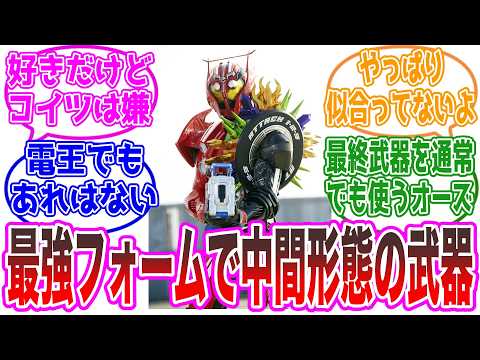
A video compilation showcasing viewer reactions to a recurring visual motif in the Kamen Rider franchise has generated significant online discussion. The motif in question: characters appearing in their ultimate transformation forms while deliberately choosing to use weapons or techniques from their basic or intermediate forms. This creative choice appears frequently across multiple Kamen Rider series, from Kamen Rider Ryuki to Kamen Rider Wizard and beyond, sparking debate about whether this represents intentional storytelling or production necessity.
Why It Matters
This discussion reveals how production constraints, character psychology, and visual storytelling intersect in long-running television series. The phenomenon demonstrates that limitations in budget and resources can paradoxically lead to more emotionally resonant storytelling. For fans and industry observers, understanding this trope illuminates how creative teams transform practical challenges into narrative strengths—a principle applicable across anime, live-action tokusatsu (special effects) television, and broader entertainment media.
Background
The Kamen Rider franchise, spanning multiple decades and series, has consistently faced production constraints typical of weekly television programming. New weapon designs and props require significant investment in materials, manufacturing, and on-set logistics. Rather than introducing entirely new weapons for each transformation stage, production teams began strategically reusing existing props while varying their application and context. What began as a practical solution evolved into a sophisticated storytelling device that audiences now recognize and appreciate for its narrative implications.
The author’s journey began 15 years ago while watching Kamen Rider 555 (Faiz) as a fifth-grade student. The pivotal moment came while viewing Kamen Rider Ryuki, specifically a scene where Knight’s ultimate form, Abyss, deliberately wielded the standard-form sword. This contradiction—ultimate power paired with basic equipment—sparked a fascination that would shape the author’s approach to analyzing the franchise for the next decade and a half.
Key Points
- Viewer Reception is Mixed: While many fans celebrate this trope as a mark of excellent storytelling, others view it skeptically as a byproduct of budget limitations rather than intentional creative choice.
- Psychological Resonance: The juxtaposition of ultimate power with constrained tools creates an emotional paradox that signals character determination and sacrifice to viewers without explicit dialogue.
- Production Reality: Industry interviews reveal this technique emerged from genuine resource constraints, yet the constraint itself became a catalyst for deeper character development and narrative complexity.
- Character Expression Through Limitation: When a character in ultimate form chooses or is forced to use basic-stage weapons, it communicates their desperation, resolve, or philosophical return to fundamentals—layers of meaning impossible to convey through dialogue alone.
- Cross-Series Pattern: The trope appears consistently across Kamen Rider Ryuki, Kamen Rider Kiva, Kamen Rider Wizard, and Kamen Rider Zi-O, suggesting deliberate evolution rather than coincidence.
- Universal Narrative Principle: Similar patterns appear in other major anime and manga franchises, including Attack on Titan and Demon Slayer, indicating this represents a fundamental storytelling mechanism rather than a Kamen Rider-specific phenomenon.
Detailed Analysis: Why This Trope Works
The Psychology of Expectation Reversal
Viewers approach ultimate transformation scenes with ingrained expectations: maximum power should correlate with maximum weaponry. When this expectation inverts—when the strongest form employs the weakest tools—cognitive dissonance creates emotional impact. The viewer’s brain registers the contradiction and demands explanation. That search for meaning transforms a simple visual choice into a narrative moment laden with psychological weight.
Case Study: Kamen Rider Wizard
The author’s most vivid example comes from Kamen Rider Wizard‘s Flame Style sequences. In climactic battles, Wizard—in his ultimate Flame Style form—deliberately combines magic from his basic Land Style form. This choice communicates multiple layers simultaneously: the character is severely constrained, yet refuses to abandon fundamental principles; he has been pushed to desperation, yet maintains connection to his origins; he is fighting with everything available, not just raw power.
Critically, this scene never explicitly states these themes. The weapon choice alone conveys them. This represents sophisticated visual storytelling that respects viewer intelligence.
Production Constraints as Creative Catalyst
Industry interviews and production documentation reveal an uncomfortable truth: this trope often originated from budget limitations. New weapon designs, manufacturing, and prop logistics consume significant resources in weekly television production. Reusing existing weapons while varying their narrative context solved a practical problem. However, the constraint itself generated unexpected creative benefits. Limitations forced writers to justify weapon choices narratively, which deepened character development and plot complexity.
This represents a broader principle: constraints often drive innovation. When creators cannot simply escalate visual spectacle, they must escalate emotional and narrative sophistication instead.
Comparative Analysis Across Series
| Series | Ultimate Form | Weapon Used | Narrative Function |
|---|---|---|---|
| Kamen Rider Ryuki | Abyss | Standard-form sword | Desperation amid hopelessness |
| Kamen Rider Kiva | King Form | Basic-form weapons | Return to fundamentals and resolve |
| Kamen Rider Wizard | Flame Style | Land Style magic | Resourcefulness under extreme pressure |
| Kamen Rider Zi-O | Oma Zi-O | Past Rider weapons | Temporal inheritance and connection |
Each series employs the trope differently. Ryuki uses it to symbolize despair; Wizard uses it to demonstrate ingenuity. The identical technique carries entirely different meanings depending on narrative context. This flexibility suggests the trope’s power lies not in the visual choice itself, but in how creators frame and contextualize it.
Fan Community Perspectives
Positive Reception: Twitter users frequently celebrate these moments as peak storytelling, with comments emphasizing character determination and production sophistication. High-engagement posts typically frame the trope as evidence of a creator’s understanding of visual narrative.
Critical Perspective: Some viewers dismiss the trope as a convenient excuse for budget constraints, arguing that production limitations should not be mistaken for artistic intention. However, even critical commenters acknowledge the resulting scenes often achieve strong emotional impact regardless of origin.
YouTube Analysis: Comment sections feature detailed scene-specific discussions, indicating viewers engage with the trope through logical analysis rather than pure emotional reaction. Fans cite specific moments and explain their interpretations, suggesting the phenomenon invites intellectual engagement.
Forum Discussion: Online communities sometimes position appreciation for this trope as a marker of sophisticated fandom—understanding production realities and narrative subtlety. This gatekeeping tendency, while exclusionary, underscores how the trope functions as a literacy test for media analysis.
Industry Trends and Future Evolution
Recent Kamen Rider series including Saber and Revice demonstrate increasingly conscious deployment of this technique. Rather than treating it as a constraint-driven accident, modern production teams appear to strategically plan these moments for maximum narrative impact. This represents evolution from reactive problem-solving to proactive storytelling strategy.
The author predicts further complexity ahead: future series may feature ultimate forms combining weapons from multiple intermediate stages simultaneously, creating multidimensional character expression impossible with single-weapon choices. This would represent the trope’s natural evolution as production teams gain confidence in its narrative potential.
Broader Narrative Principle
This phenomenon extends far beyond Kamen Rider. Attack on Titan features moments where characters with maximum power rely on fundamental tactics. Demon Slayer shows swordsmen returning to basic techniques under extreme duress. My Hero Academia depicts heroes using foundational abilities when pushed to their limits. These recurring patterns across major franchises suggest a universal principle: constraint and limitation paradoxically amplify emotional resonance and character authenticity.
The principle operates on psychological grounds: audiences instinctively understand that true desperation, determination, and authenticity reveal themselves through limitation, not abundance. A character wielding unlimited power remains somewhat abstract; a character fighting effectively despite constraints becomes viscerally human.
How to Maximize Appreciation
For viewers seeking deeper engagement with this trope, several approaches enhance understanding:
Contextual Analysis: Rather than viewing the moment in isolation, examine the scenes immediately preceding the weapon choice. Narrative turning points, character decisions, or plot developments typically precede these moments, providing essential context for interpreting the weapon selection.
Chronological Series Viewing: Watching Ryuki, Kiva, and Wizard in sequence reveals how the trope evolved across series, demonstrating increasing sophistication in its deployment.
Community Engagement: Discussing interpretations with other fans reveals the diversity of valid readings. The same scene generates multiple legitimate interpretations, each enriching understanding of the trope’s complexity.
Production Research: Reading interviews with writers, directors, and designers provides insight into whether specific instances originated from constraint or intention—knowledge that contextualizes the final product without diminishing its impact.
Insights and Implications
The widespread appreciation for this trope reveals fundamental truths about storytelling and audience psychology. First, constraints drive innovation: the most emotionally resonant moments often emerge from practical limitations rather than unlimited resources. Second, visual storytelling can communicate psychological complexity more effectively than dialogue: a weapon choice conveys character state, narrative position, and thematic meaning simultaneously. Third, audiences possess sophisticated media literacy: fans recognize and appreciate the layers of meaning embedded in production choices, whether intentional or emergent.
The trope also demonstrates how production realities and artistic vision need not conflict. A practical solution to budget constraints evolved into a narrative device so effective that modern creators deliberately employ it. This represents the best possible outcome: necessity breeding innovation that transcends its origins.
For the author, 15 years of engagement with this phenomenon reveals something personal: the moments when characters fight effectively despite constraints resonate because they mirror human experience. Real life rarely provides unlimited resources or ideal circumstances. Characters who demonstrate determination and ingenuity within limitation inspire recognition and empathy. The ultimate form wielding the basic weapon becomes a metaphor for human resilience—maximum potential expressed through constrained means.
The trope’s enduring appeal suggests audiences crave authenticity over spectacle. A character in ultimate form using basic weapons communicates: “I am truly desperate, truly determined, truly committed.” No amount of flashy new equipment conveys that message as effectively as the choice to fight with what remains.
Looking forward, as production teams increasingly recognize this trope’s power, expect more deliberate and sophisticated deployment. The evolution from accidental byproduct to intentional narrative strategy will likely continue, potentially creating even more complex and emotionally resonant moments. The constraint that birthed this technique—limited resources in weekly television production—may eventually disappear as streaming and production models evolve. Yet the narrative principle it revealed will likely persist, because it taps into something fundamental about how audiences process meaning and emotion.