▶ Watch the original YouTube video
JoJo’s Bizarre Adventure Part 7 Anime: Streaming Platform Debate Reveals Shifting Fan Expectations
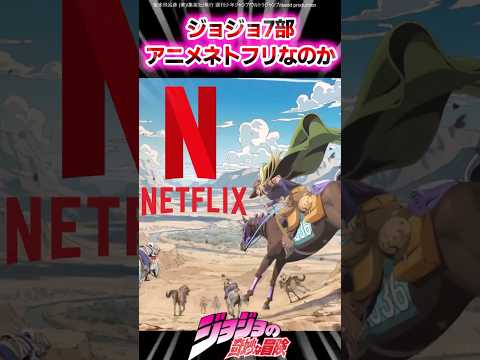
The announcement of JoJo’s Bizarre Adventure Part 7: Steel Ball Run’s anime adaptation has ignited a heated debate within the fan community over its distribution platform. The unresolved question of whether the series will air on traditional broadcast television or premiere exclusively on Netflix reflects deeper tensions between generational fan expectations, industry economics, and the evolving nature of anime viewership in the streaming era.
What Happened
The anime adaptation of JoJo’s Part 7: Steel Ball Run was officially announced, but the streaming platform remained undecided at the time of announcement. This ambiguity has sparked significant discussion among fans, with some advocating for traditional broadcast television and others expecting Netflix distribution based on Part 6’s precedent. The unresolved platform question has become a focal point for broader conversations about how anime is distributed and consumed in 2024.
Why It Matters
The distribution platform for a major anime series is no longer a mere technical detail—it fundamentally shapes how audiences experience the work. Platform choice determines viewership accessibility, real-time community engagement, production budget allocation, and global reach. For a franchise as significant as JoJo’s, the platform decision influences which generation of fans gains entry to the series and how fan communities form and interact. This decision also reflects the broader shift in anime industry economics, where streaming services now compete directly with traditional broadcasters for production rights and creative control.
Background
JoJo’s Bizarre Adventure has been serialized since 1987, spanning 37 years and multiple generations of fans. The anime adaptation began in 2012 with Part 1 on traditional broadcast television, followed by Parts 2 through 5 on TV Tokyo. Part 6: Stone Ocean marked a significant shift when Netflix secured exclusive distribution rights in 2021, a decision that generated mixed reactions from the established fanbase. This precedent has shaped expectations and anxieties surrounding Part 7’s platform announcement.
The streaming landscape has transformed dramatically over the past five years. Industry analysis shows that by 2023, over 50% of new anime productions received support from streaming services, compared to approximately 30% in 2020. This reflects a fundamental shift in anime financing, where streaming platforms increasingly control production budgets and creative decisions rather than traditional television sponsors.
Key Points
- Part 6’s Netflix exclusivity created a precedent that divided fan expectations, with some anticipating Netflix distribution and others demanding traditional broadcast television
- Broadcast television enables synchronized weekly viewing experiences that foster real-time community discussion on social media, while Netflix’s simultaneous global release fragments viewership timing
- Netflix distribution significantly expanded JoJo’s international fanbase, particularly in Western markets, demonstrating the platform’s global reach advantages
- Production quality and budget allocation differ substantially between broadcast and streaming platforms, with Netflix typically providing larger budgets for premium animation
- Fan demographics reveal generational divides: older fans prioritize broadcast television’s communal viewing experience, while younger and international audiences embrace streaming platforms
- The production committee faces competing interests from TV Tokyo (broadcast preference), Netflix (exclusive distribution), and other streaming services seeking acquisition rights
Timeline
- 2009: JoJo anime fandom begins with OVA versions of Parts 1-3
- 2012: Part 1 television anime premieres on TV Tokyo, establishing broadcast as the standard distribution method
- 2012-2019: Parts 2-5 continue broadcast television distribution on TV Tokyo
- 2021: Part 6: Stone Ocean announced as Netflix exclusive, marking industry shift toward streaming platforms
- 2024: Part 7: Steel Ball Run anime announced with platform undecided, sparking community debate
Perspectives
Traditional Broadcast Advocates: Fans supporting TV broadcast distribution emphasize three primary concerns. First, synchronized weekly viewing creates shared community experiences where fans discuss episodes simultaneously on social media and in person, strengthening fan bonds. Second, broadcast television requires only a standard television set, eliminating subscription costs that exclude economically disadvantaged viewers. Third, broadcast anime carries cultural prestige as officially recognized Japanese media, whereas streaming content is perceived as globalized entertainment without national cultural anchoring.
Netflix Distribution Supporters: Fans favoring Netflix distribution cite production quality advantages, noting that Part 6 achieved exceptional animation standards through Netflix’s substantial budget investment. They emphasize Netflix’s unparalleled global reach across 190+ countries, which dramatically expanded JoJo’s international fanbase and created unprecedented Western fan engagement. Additionally, Netflix’s flexible distribution options—including both simultaneous global release and weekly episodic formats—accommodate diverse viewer preferences.
Pragmatic Viewers: A significant segment of the fanbase expresses indifference toward the platform question, prioritizing Part 7’s animation quality and faithful adaptation over distribution method. These viewers prioritize the work itself over the viewing mechanism.
Industry Context: Production Committee Dynamics
JoJo’s production committee comprises multiple stakeholders with competing interests: Shueisha (publisher), David Production (animation studio), TV Tokyo (broadcaster), and streaming services. Parts 1-5 operated under TV Tokyo’s primary leadership, prioritizing broadcast distribution. Part 6’s Netflix exclusivity represented a significant power shift within the committee structure, demonstrating Netflix’s financial leverage in securing exclusive rights.
Part 7’s unresolved platform status suggests ongoing negotiations between these stakeholders. TV Tokyo likely seeks to reclaim broadcast rights, Netflix wants to maintain exclusive distribution following Part 6’s success, and Amazon Prime Video may be competing for acquisition rights as it increases anime investment. The committee must balance these competing interests while maximizing both domestic and international revenue.
The most probable outcome, based on industry precedent, is a hybrid distribution model similar to Jujutsu Kaisen’s strategy: simultaneous broadcast on TV Tokyo and Netflix distribution, with broadcast featuring weekly episodes and Netflix offering alternative viewing options. This approach maximizes both domestic broadcast audiences and international streaming reach.
Comparative Analysis: Platform Impact on Other Series
Attack on Titan Final Season: The shift to NHK broadcast television significantly expanded viewership beyond traditional late-night anime audiences to include family demographics, demonstrating how platform choice directly affects audience composition.
Jujutsu Kaisen: The dual broadcast-and-streaming strategy achieved maximum reach domestically and internationally, becoming one of 2021’s most commercially successful anime through platform diversification.
Hunter x Hunter vs. Toriko: Despite similar source material demographics, Hunter x Hunter’s broadcast television focus created stronger communal viewing experiences and more cohesive fan communities compared to Toriko’s fragmented distribution approach.
Fan Community Response
Twitter discussions reveal thousands of retweets for posts stating “JoJo should be broadcast television like it always was.” Conversely, substantial engagement supports Netflix distribution, with commenters noting “Part 6’s success proves Netflix is the right choice.”
4chan’s anime boards feature more contentious debate, with arguments ranging from “broadcast preference is outdated gatekeeping” to “Netflix subscriptions exclude viewers with financial constraints.” YouTube comments predominantly express pragmatism: “Just release it already, regardless of platform.”
This fragmented response demonstrates the absence of consensus regarding ideal viewing experiences. Generational differences, economic circumstances, and individual fan engagement styles produce divergent platform preferences across the community.
Insights
The Part 7 platform debate transcends technical distribution logistics—it represents a fundamental transformation in anime fan culture. For 15 years, JoJo fandom operated within a broadcast television paradigm where synchronized weekly viewing created shared cultural moments. Today’s anime ecosystem supports multiple simultaneous viewing methods, reflecting broader fan demographic diversification.
This shift reveals generational fractures within fandom. Longtime fans who experienced anime’s broadcast era prioritize communal real-time viewing, while newer fans and international audiences embrace streaming’s flexibility and accessibility. Neither perspective is objectively superior; they reflect different fan values and circumstances.
Part 7’s platform decision will likely establish precedent for future major anime adaptations, making this debate consequential beyond JoJo’s alone. The outcome will signal whether the industry prioritizes domestic broadcast traditions or global streaming expansion—a choice with implications for anime’s cultural positioning and economic structure.
Regardless of platform selection, the core concern remains consistent: preserving opportunities for fans to experience Part 7 simultaneously and share that experience communally. Whether through broadcast television’s weekly schedule or Netflix’s coordinated release strategy, maintaining synchronized viewership experiences should remain paramount to sustaining vibrant fan communities.
The Part 7 announcement ultimately demonstrates that anime fandom has matured beyond monolithic viewing experiences. The challenge for the production committee is accommodating this diversity while maintaining the shared emotional investment that defines fan culture. The platform question, therefore, is fundamentally a question about how anime communities will evolve in the streaming era.