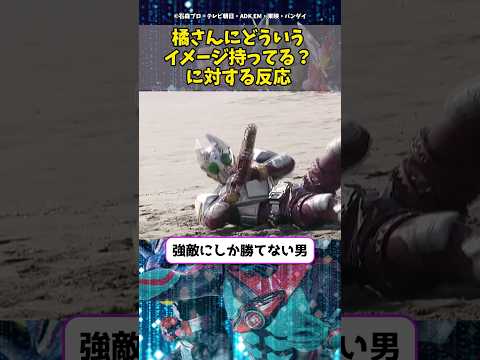
▶ Watch the original YouTube video
Kamen Rider Gallen: How a Weak Supporting Character Became a Fan Favorite Through Growth
A comprehensive analysis of viewer reactions to Tachibana, the supporting character from Kamen Rider Blade, reveals how his dramatic character development from an incompetent mentor to a skilled warrior exemplifies the evolution of supporting characters in Heisei-era Kamen Rider series. This transformation demonstrates that audience appreciation is driven not by initial strength, but by meaningful character growth.
What Happened
Viewer reactions to Tachibana, a supporting character in Kamen Rider Blade (2004), reveal a striking reversal in audience perception. Initially dismissed as an incompetent mentor figure, Tachibana undergoes a dramatic transformation throughout the series, eventually earning recognition as a strategically skilled warrior. A comprehensive video compilation of viewer reactions demonstrates how audiences experienced the same emotional and evaluative shift regarding this character, with many viewers noting that his early incompetence gave way to consistent excellence in later episodes.
Why It Matters
Tachibana’s character arc represents a significant evolution in how Heisei-era Kamen Rider series designed supporting characters. Rather than remaining static background figures, supporting characters in this era gained independent combat abilities and psychological depth. Understanding Tachibana’s reception illuminates broader principles of character design: audiences respond more strongly to meaningful growth than to initial power levels. This shift reflects changing viewer demographics, as the Kamen Rider fanbase expanded from children to include adult enthusiasts seeking complex character narratives and psychological development.
Background
Kamen Rider Blade aired in 2004, during a period when the Kamen Rider franchise was transitioning toward more complex character dynamics. The series introduced Tachibana as the senior mentor figure to the protagonist, equipped with the Blay Rouzer weapon and the ability to transform into Kamen Rider Gallen. Unlike earlier Showa-era Kamen Rider series where supporting characters served primarily as background figures, Heisei-era series granted supporting characters independent combat capabilities and story arcs. Tachibana’s character design appears to have been intentionally constructed to showcase this evolution, presenting viewers with a character who begins as seemingly incompetent but gradually reveals deeper strategic thinking and combat proficiency.
Key Points
- Diverse Initial Reception: Viewers held conflicting opinions about Tachibana early in the series, ranging from “ideal mentor figure” to “useless when it matters most,” demonstrating the character’s complexity and ambiguity.
- Weapon Design as Character Expression: The Blay Rouzer’s unusually large size generated significant viewer discussion, with audiences noting its impressive presence both as a toy and in museum exhibitions, suggesting the weapon served as a visual metaphor for Tachibana’s hidden importance.
- Combat Ability Paradox: Viewers identified an apparent contradiction in Tachibana’s fighting ability—he struggles against weak opponents but excels against strong enemies—which reflects his psychological dependence on opponent strength rather than a logical inconsistency.
- Dramatic Evaluation Reversal: Multiple viewers independently noted that Tachibana transitions from “pathetically incompetent in early episodes” to “consistently impressive from that point onward,” indicating intentional character design that creates a specific emotional turning point.
- Comparative Character Value: Viewers rated Tachibana as more interesting than Category 8, the series’ ultimate antagonist, suggesting audiences value character growth and psychological complexity over raw power or mysterious characterization.
- Strategic Combat Evolution: Tachibana’s later tactics—such as blocking enemy card activation while executing his own combination attacks—demonstrate accumulated combat experience and strategic thinking rather than simple power increases.
Timeline
- 2004: Kamen Rider Blade airs with Tachibana introduced as an apparently incompetent senior mentor.
- Early Series: Viewers experience confusion and disappointment with Tachibana’s weak performance against minor enemies.
- Mid-Series: Tachibana’s combat effectiveness increases noticeably; viewers begin recognizing strategic depth in his fighting approach.
- Late Series: Tachibana demonstrates consistent excellence and sophisticated tactical awareness; audience evaluation undergoes complete reversal.
- 2012 Onwards: Reruns and retrospective analysis allow new audiences to experience Tachibana’s character arc; online communities compile viewer reactions highlighting the dramatic evaluation shift.
Perspectives
The Psychological Growth Interpretation: Tachibana’s weakness in early episodes reflects psychological dependence rather than actual inability. His transformation represents learning to trust his own judgment and capabilities rather than seeking validation through strength. This interpretation emphasizes the character’s internal journey and emotional maturation.
The Toy Design Perspective: The Blay Rouzer’s exceptional size and the weapon’s 13-card capacity suggest intentional design choices by producers to visually communicate Tachibana’s importance and complexity. The weapon’s prominent museum exhibition further indicates that production staff considered Tachibana a significant character worthy of substantial design investment.
The Comparative Character Analysis: When compared to Kamen Rider 555’s Kino Taiji and other growth-focused supporting characters, Tachibana’s development follows a pattern of accumulated experience building upon existing foundations rather than transformation from weakness to strength. This suggests a more nuanced portrayal of how experienced professionals develop rather than how novices learn.
The Audience Projection Theory: Viewers may respond strongly to Tachibana because his growth mirrors their own life experiences—beginning with self-doubt and incompetence, gradually building confidence through experience, and eventually achieving mastery. This psychological resonance explains why multiple viewers independently described nearly identical emotional arcs when watching his character development.
Insights
Tachibana’s character represents a pivotal moment in Kamen Rider series design philosophy. His arc demonstrates that supporting characters need not remain static background figures; instead, they can undergo meaningful psychological and tactical development that rivals or exceeds that of protagonists. The dramatic reversal in viewer evaluation—from dismissal to admiration—reveals that audiences prioritize character growth and complexity over initial power levels or mysterious characterization.
The intentional design choices evident in Tachibana’s character suggest that Heisei-era Kamen Rider creators were consciously designing for multiple audience demographics simultaneously. Children could interpret his story as “a weak mentor working hard to improve,” while adult viewers could analyze his psychological dependence and strategic evolution. This multi-layered approach reflects the franchise’s successful expansion beyond its original target demographic.
Furthermore, Tachibana’s success as a character demonstrates the effectiveness of what might be called “earned competence.” Rather than presenting a character who is strong from the beginning, the series shows a character who becomes strong through experience, decision-making, and psychological growth. This narrative approach creates stronger emotional investment because viewers witness the transformation rather than simply accepting it as a given trait.
The weapon design integration—where the Blay Rouzer’s size and capacity directly correlate with Tachibana’s hidden importance—illustrates how physical design elements can reinforce narrative themes. Viewers unconsciously absorbed messages about character significance through toy design, demonstrating that transmedia storytelling in the Kamen Rider franchise extended beyond narrative into product design.
For future Kamen Rider series and similar tokusatsu productions, Tachibana’s reception suggests that audiences will embrace supporting characters who undergo genuine development and demonstrate strategic thinking. The character’s popularity indicates that the franchise’s evolution toward complex supporting characters was not merely a creative choice but a response to genuine audience demand for deeper character narratives and psychological complexity.