▶ Watch the original YouTube video
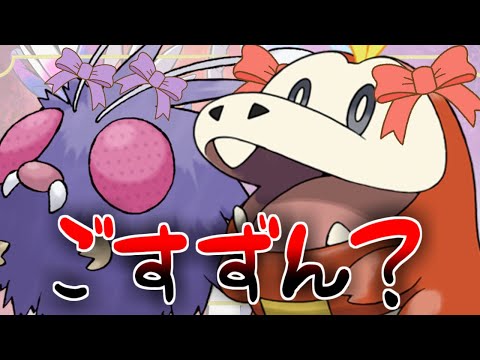
Female Hogettas Objection to Gosuzun Sparks Debate Over Pokemon Character Design and Gender Representation
A recent discussion about female Hogettas character expressing disagreement with Gosuzun has ignited debate within the Pokemon community over how gender-specific character design affects gameplay experience and narrative consistency. The conversation reveals a generational divide in how fans perceive Pokemon autonomy and individual character psychology in modern game design.
What Happened
The Pokemon community has been discussing a narrative element in Pokemon Scarlet and Violet where female Hogettas character expresses objections toward Gosuzun. This character interaction has become a focal point for broader conversations about how gender-specific traits are implemented in Pokemon character design. The discussion extends beyond simple gameplay mechanics to encompass questions about character autonomy, narrative consistency, and how individual Pokemon express personality within the game world.
Why It Matters
This debate reflects a fundamental shift in how modern Pokemon games approach character psychology and player agency. The implementation of gender-specific character behaviors raises important questions about narrative design, character consistency, and how developers balance individual personality expression with unified game mechanics. The discussion also highlights generational differences in how longtime fans and newer players perceive Pokemon as either simple companions or autonomous characters with independent agency. Additionally, the conversation touches on broader industry trends regarding gender representation and character diversity in video games.
Background
Pokemon Scarlet and Violet introduced more nuanced character psychology compared to earlier entries in the series. The franchise has evolved significantly since its 1996 debut, when Pokemon functioned primarily as obedient creatures following player commands. By the time of Pokemon X and Y (2013), Pokemon began displaying emotional responses to trainers. This evolution continued with Scarlet and Violet (2022), where Pokemon demonstrate independent judgment and decision-making capabilities.
The female Hogettas character trait represents this ongoing evolution in how the series portrays Pokemon agency. Rather than treating gender as merely a breeding mechanic, the game assigns distinct personality characteristics based on gender, suggesting Pokemon possess psychological depth that extends beyond traditional gameplay systems.
Key Points
- Female Hogettas expresses independent opinions and objections, marking a departure from traditional Pokemon obedience mechanics
- The Pokemon community is divided between those who view this as character evolution and those who see it as inconsistent with series fundamentals
- Generational differences significantly influence fan reactions, with older players favoring traditional mechanics and younger players embracing character autonomy
- Gender-specific character traits raise questions about narrative consistency and whether such differentiation serves the overall game design
- The discussion reflects broader industry trends toward character diversity and psychological depth in game narratives
- Online communities across Twitter, YouTube, and Reddit show polarized but substantive debate about the implications of this design choice
Timeline
- 1996: Original Pokemon games establish Pokemon as obedient creatures following trainer commands
- 2013: Pokemon X and Y introduce emotional responses from Pokemon to trainers
- 2022: Pokemon Scarlet and Violet launch with enhanced character psychology and independent decision-making
- Recent: Female Hogettas character trait sparks widespread community discussion and analysis
Perspectives
Supporters of Character Evolution: Younger fans and those favoring narrative depth view female Hogettas autonomy as a natural progression in game design. They argue that assigning distinct personalities based on gender enriches character expression and reflects modern gaming standards where NPCs and companions possess psychological complexity. This perspective aligns with broader industry movements toward character diversity and individual agency.
Traditionalist Concerns: Older fans and those prioritizing mechanical consistency express concern that gender-specific personality traits undermine the core Pokemon experience. They argue that Pokemon should function as unified entities rather than having their fundamental nature altered by gender assignment. This group worries that such changes dilute the original appeal of the franchise and create narrative inconsistencies.
Design Analysis Perspective: Some community members approach the issue from a game design standpoint, questioning whether gender-based personality differentiation serves coherent design philosophy. They note that while gender traditionally functions as a breeding mechanic, its expansion into character psychology requires careful integration with overall narrative structure to avoid feeling arbitrary or disconnected from gameplay systems.
Comparative Industry Context
This phenomenon is not unique to Pokemon. Similar debates have emerged across the gaming industry. Monster Hunter World enhanced female player character autonomy, receiving generally positive reception. Final Fantasy XV expanded female character agency, generating mixed responses regarding narrative focus. These examples demonstrate that the gaming industry broadly grapples with balancing character diversity against narrative coherence.
The key lesson from these comparisons is that successful implementation of gender-specific character traits requires careful integration with overall game narrative and design philosophy. When such traits feel organic to the story and world, players generally respond positively. When they appear disconnected from broader narrative context, they risk feeling forced or inconsistent.
Community Response Analysis
Twitter: Younger female fans express enthusiasm for female Hogettas independence, celebrating increased representation of autonomous female characters. Older fans voice concerns about departing from established Pokemon mechanics and philosophy.
YouTube: Comments demonstrate more analytical engagement, with viewers proposing theories about how gender-based personality traits might reflect underlying game mechanics or design intentions. Some suggest connections between gender-specific personality and base stat distributions.
Reddit: The r/pokemon community engages in deeper philosophical discussion about what Pokemon fundamentally represent—whether as pets, partners, or independent beings. This debate transcends simple generational divides, instead reflecting different philosophical approaches to game design and narrative structure.
Insights
The female Hogettas discussion illuminates a critical juncture in Pokemon franchise evolution. The series has transitioned from a simple pet-collection game toward a complex RPG emphasizing character psychology and individual personality. This transformation reflects broader industry maturation regarding character depth and narrative sophistication.
The generational divide in responses reveals that fans approach Pokemon through fundamentally different philosophical frameworks. Longtime players experienced Pokemon as obedient companions within a straightforward gameplay loop. Current players encounter Pokemon as characters with psychological complexity and agency. Neither perspective is inherently correct; they represent different expectations shaped by when players entered the franchise.
The emphasis on female character traits specifically suggests the Pokemon franchise is responding to broader cultural conversations about gender representation in media. By assigning distinct personality characteristics to female Pokemon, developers acknowledge that gender influences character expression—a perspective increasingly common in contemporary game design.
For the franchise to successfully navigate this evolution, future games should ensure that gender-specific character traits integrate seamlessly with overall narrative structure and game mechanics. When such traits feel arbitrary or disconnected from broader design philosophy, they risk alienating players who value mechanical consistency. Conversely, when character psychology emerges organically from narrative context, it enriches player experience and deepens engagement with the game world.
The continued discussion of female Hogettas character design demonstrates that the Pokemon community remains actively invested in how the franchise evolves. This engagement suggests healthy franchise vitality, as fans care enough to debate design choices substantively. Whether future entries move toward greater character autonomy or rebalance mechanical consistency, the conversation itself indicates that Pokemon remains culturally relevant and narratively significant to its audience.