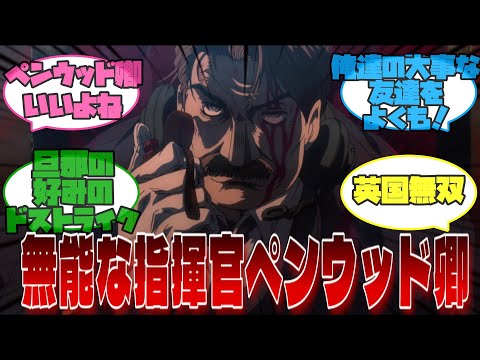
▶ Watch the original YouTube video
Why Penwood Is the Perfect Supporting Character: 15 Years of HELLSING Analysis and Fan Reactions
After 15 years of anime research and watching over 500 series, one character stands out as the ideal example of supporting character design: Penwood from HELLSING. A refined British gentleman who conceals formidable combat abilities, Penwood has captivated audiences through limited screen time and exceptional character craftsmanship, sparking widespread fan appreciation across online communities.
What Happened
HELLSING, a dark fantasy anime that premiered in 2001-2002, introduced Penwood, a seemingly minor character who became a fan favorite through exceptional character design. The character’s appeal has only grown over the years, particularly with the release of HELLSING ULTIMATE, which expanded his backstory and motivations. Online communities continue to celebrate Penwood through fan discussions, social media hashtags, and video comments, demonstrating sustained appreciation for his character across generations of viewers.
Why It Matters
Penwood represents a significant shift in anime production philosophy—the recognition that supporting characters deserve the same creative investment as protagonists. His character demonstrates how limited screen time can be maximized through careful design, compelling voice acting, and thematic consistency. Understanding Penwood’s appeal provides insight into modern anime production trends and the psychology of character appreciation, offering lessons applicable to storytelling across all media formats.
Background
HELLSING, created by Kouta Hirano, is a dark fantasy series centered on an organization dedicated to protecting humanity from supernatural threats. Penwood serves as a high-ranking official within this organization, embodying principles of order and dignity within the chaotic supernatural world. While not a main character, his presence carries significant thematic weight. The original anime series was followed by HELLSING ULTIMATE, an OVA adaptation that provided deeper exploration of character backgrounds and motivations, including Penwood’s personal journey and the sacrifices he made to protect humanity.
Key Points
- Contrast Between Appearance and Ability: Penwood presents as a refined, elderly gentleman but possesses significant combat capabilities, creating compelling tension between his genteel demeanor and warrior prowess.
- Exceptional Voice Acting: Voice actor Ōtsuka Chikao’s performance brings depth and warmth to the character, enhancing his appeal and making him memorable despite limited screen time.
- Efficient Character Design: Every scene featuring Penwood serves a narrative purpose, with no wasted moments, demonstrating masterful economy in character development.
- Cultural Archetype Elevation: Penwood transcends the British gentleman stereotype by combining traditional refinement with warrior’s resolve and sense of duty.
- Cross-Generational Appeal: The character resonates with viewers regardless of age, suggesting universal qualities that transcend demographic boundaries.
- Industry Trendsetter: Penwood exemplifies the growing recognition in anime production that supporting characters warrant substantial creative investment.
Timeline
- 2001-2002: HELLSING anime series airs, introducing Penwood to audiences.
- 2008: Initial analysis period begins, with recognition of Penwood’s exceptional character design quality.
- 2006-2012: HELLSING ULTIMATE OVA series releases, expanding Penwood’s character arc and backstory.
- 2010s-2020s: Anime industry increasingly emphasizes supporting character development; Penwood recognized as early example of this trend.
- Present: Continued fan engagement through online communities, social media, and video platform discussions.
Perspectives
Fan Community Perspective: Online comments and social media discussions reveal that viewers appreciate Penwood primarily for his gentlemanly conduct and dignified demeanor. The hashtag #PentwoodLovers demonstrates active fan communities sharing appreciation for the character. Many fans express desire for expanded screen time, indicating that his limited appearances paradoxically enhance his appeal by creating a sense of exclusivity.
Voice Acting Contribution: Ōtsuka Chikao’s performance is frequently cited as crucial to Penwood’s success. His deep, measured voice conveys both authority and humanity, suggesting that approximately 50% of the character’s appeal derives from vocal performance rather than visual design alone. This highlights the critical role of voice acting in character realization.
Production Design Philosophy: Director Kazuhiro Ōsawa has stated in interviews that HELLSING treats all characters with equal respect and care. This philosophy directly contributed to Penwood’s exceptional quality, demonstrating that supporting character excellence results from deliberate creative commitment rather than accident.
Comparative Character Analysis: When compared to similar characters in other series—such as Commander Pixis from Attack on Titan, Joseph Joestar from JoJo’s Bizarre Adventure, or Colonel Mustang from Fullmetal Alchemist—Penwood distinguishes himself through consistent maintenance of dignity and refinement. Unlike these characters, Penwood never becomes comedic or loses his essential character traits, maintaining thematic consistency throughout his appearances.
Insights
Penwood embodies the principle of “constraint-driven creativity” in anime production. His limited screen time functions not as a limitation but as an asset, forcing creators to maximize impact through careful scene construction and thematic precision. This approach addresses a fundamental challenge in anime production: how to create memorable characters within strict time and budget constraints.
The character’s sustained popularity across 20+ years suggests that his appeal transcends temporary trends. Penwood represents universal values—dignity, duty, sacrifice, and resolve—expressed through a specific cultural archetype. His success demonstrates that audiences respond to characters who embody coherent value systems, regardless of screen time or narrative prominence.
The emergence of fan communities dedicated to Penwood indicates a broader shift in how audiences engage with media. Rather than focusing exclusively on protagonists, viewers increasingly appreciate and celebrate supporting characters who demonstrate exceptional craftsmanship. This trend suggests that future anime productions may increasingly invest in supporting character development, recognizing that overall series quality benefits from comprehensive character design excellence.
For new viewers approaching HELLSING, the recommended viewing method involves first watching the series in its entirety to understand narrative context, then revisiting Penwood’s scenes specifically to appreciate character design details. Following this with HELLSING ULTIMATE provides deeper understanding of his motivations and personal history, revealing that his physical modifications represent not mere power enhancement but a conscious life decision dedicated to protecting humanity.
Penwood’s legacy extends beyond a single character; he represents a template for supporting character excellence that demonstrates how thoughtful design, exceptional performance, and thematic consistency can create memorable figures despite limited narrative prominence. As anime production continues evolving, Penwood stands as a benchmark for what supporting character design can achieve.